Loading club training videos.
Term
Glossary
The glossary is not a test. It is a place to return to when you meet a new term.
184 terms in glossary
Count from 1 to 10 in one sequence
The numbers in the same quick rhythm a trainer uses during kihon practice.
Ichi · Ni · San · Shi · Go · Roku · Shichi · Hachi · Ku · Ju
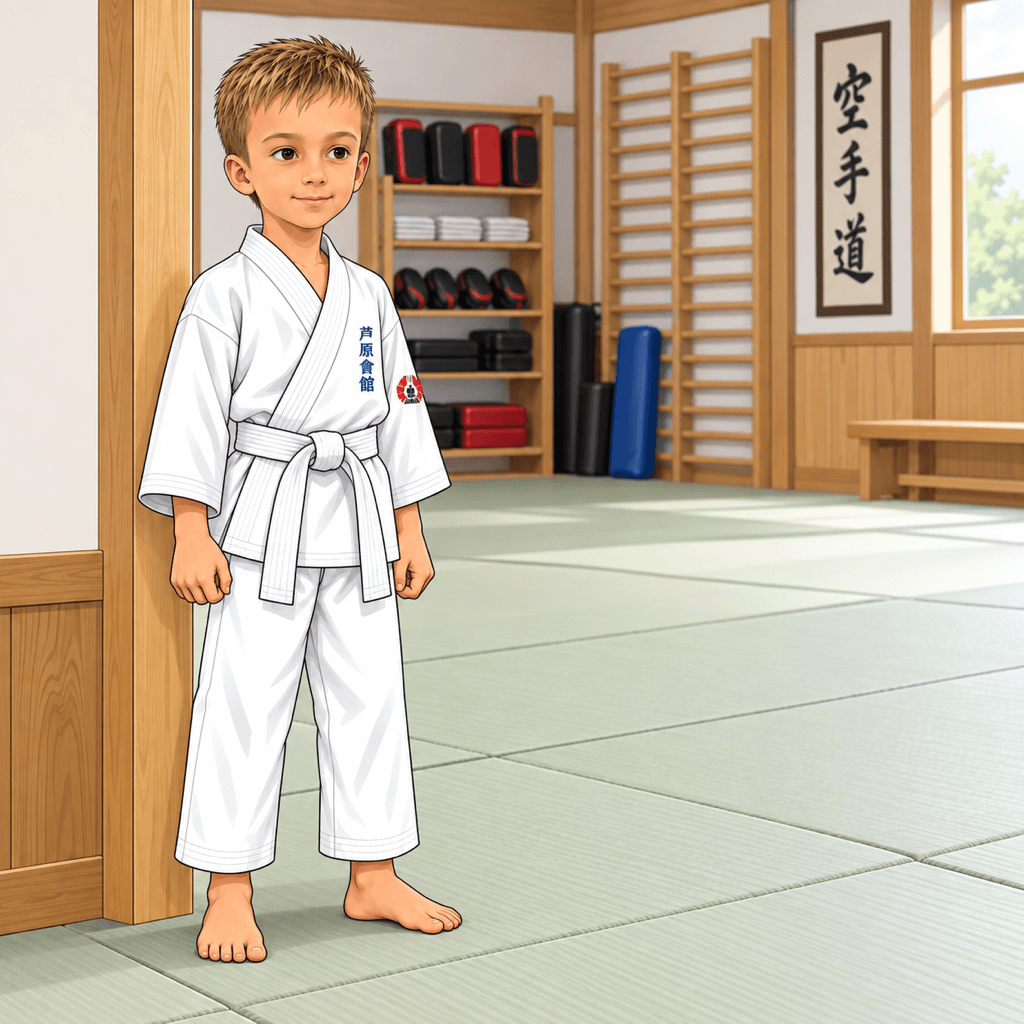
Ashihara karateA modern full-contact karate style founded by Hideyuki Ashihara in 1980. It emphasizes circular Sabaki movement, positioning in the opponent's blind spot (Shikaku), and control using grabs and takedowns.
Ashihara karate
芦原空手A modern full-contact karate style founded by Hideyuki Ashihara in 1980. It emphasizes circular Sabaki movement, positioning in the opponent's blind spot (Shikaku), and control using grabs and takedowns.
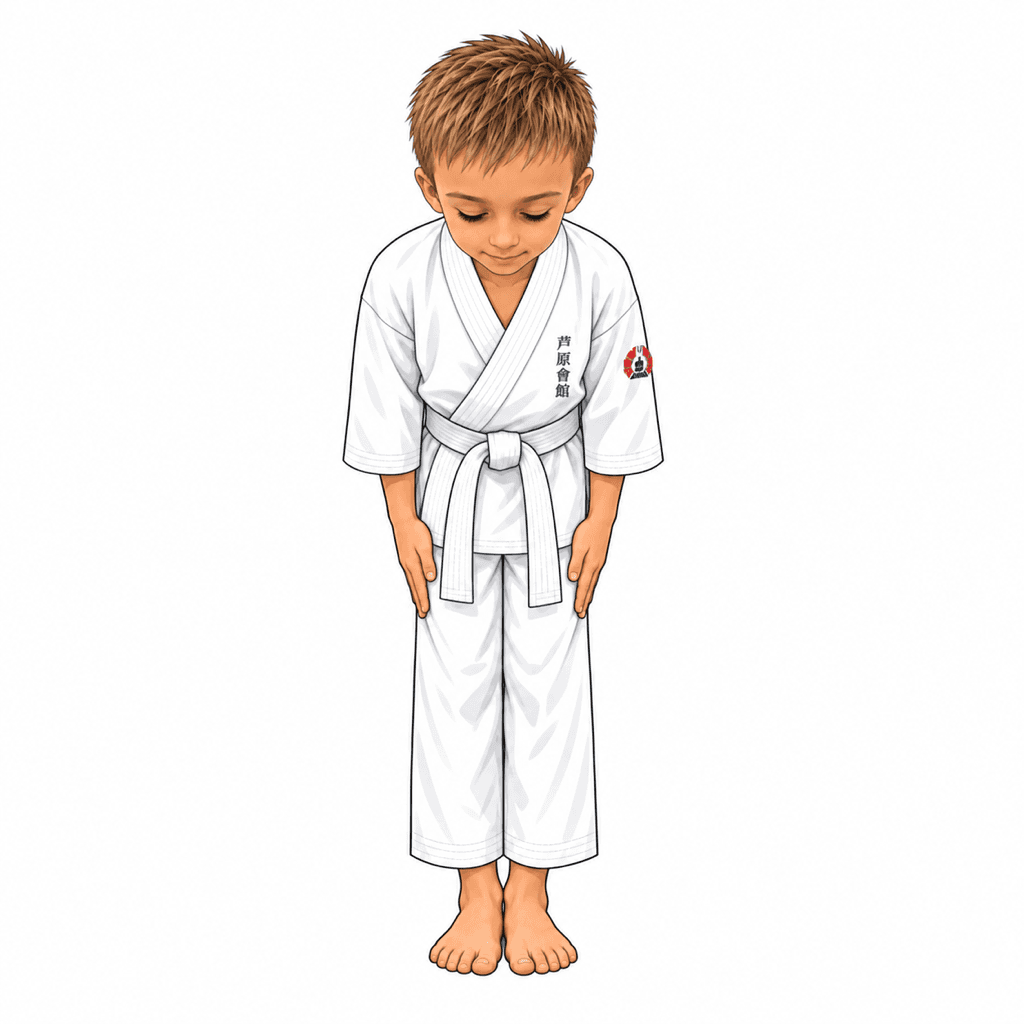
BudōJapanese martial arts viewed as a lifelong path of self-improvement, moral integrity, discipline, and respect.
Budō
武道Japanese martial arts viewed as a lifelong path of self-improvement, moral integrity, discipline, and respect.
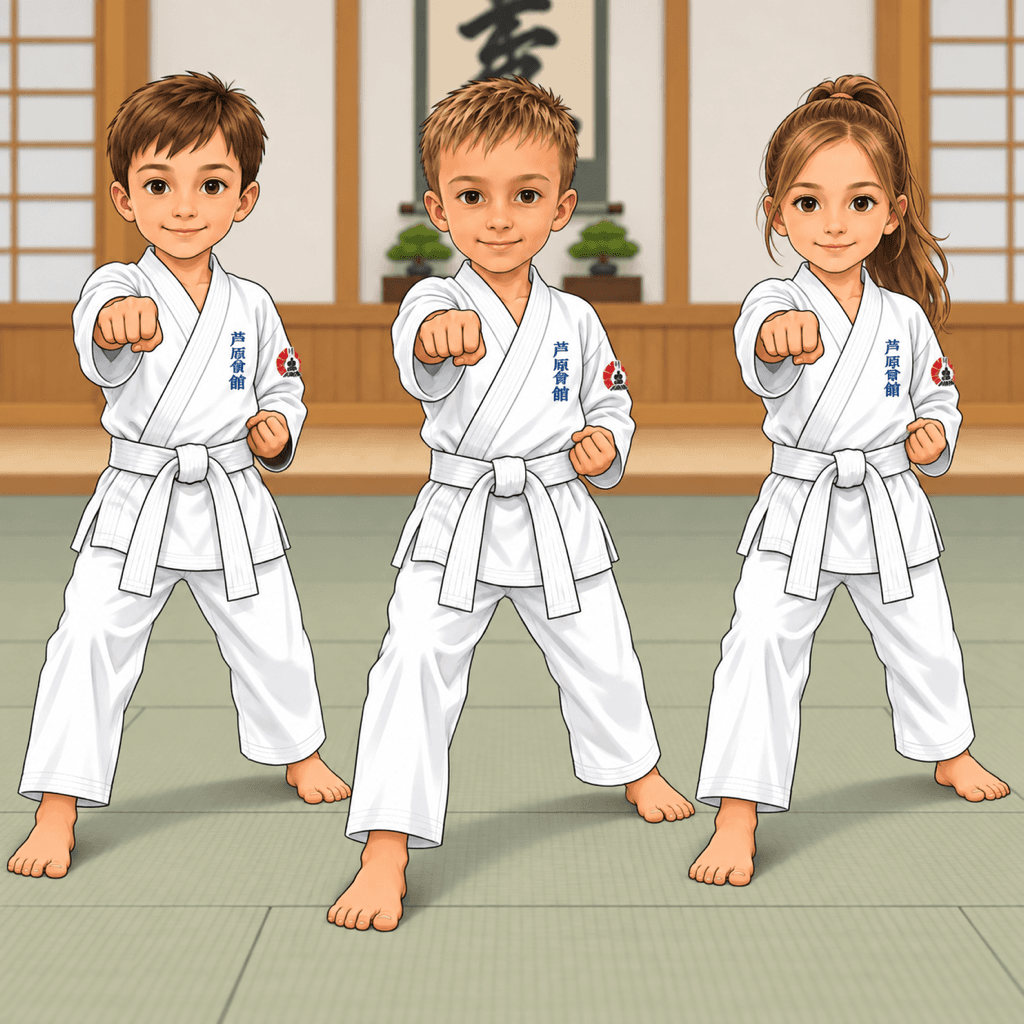
Karate-dō"Way of the Empty Hand" – traditional Japanese weaponless martial art focused on strikes, kicks, blocks, and character development.
Karate-dō
空手道"Way of the Empty Hand" – traditional Japanese weaponless martial art focused on strikes, kicks, blocks, and character development.
DōjōPlace of the Way – the training hall and dedicated space for practicing martial arts and self-discipline.
Dōjō
道場Place of the Way – the training hall and dedicated space for practicing martial arts and self-discipline.
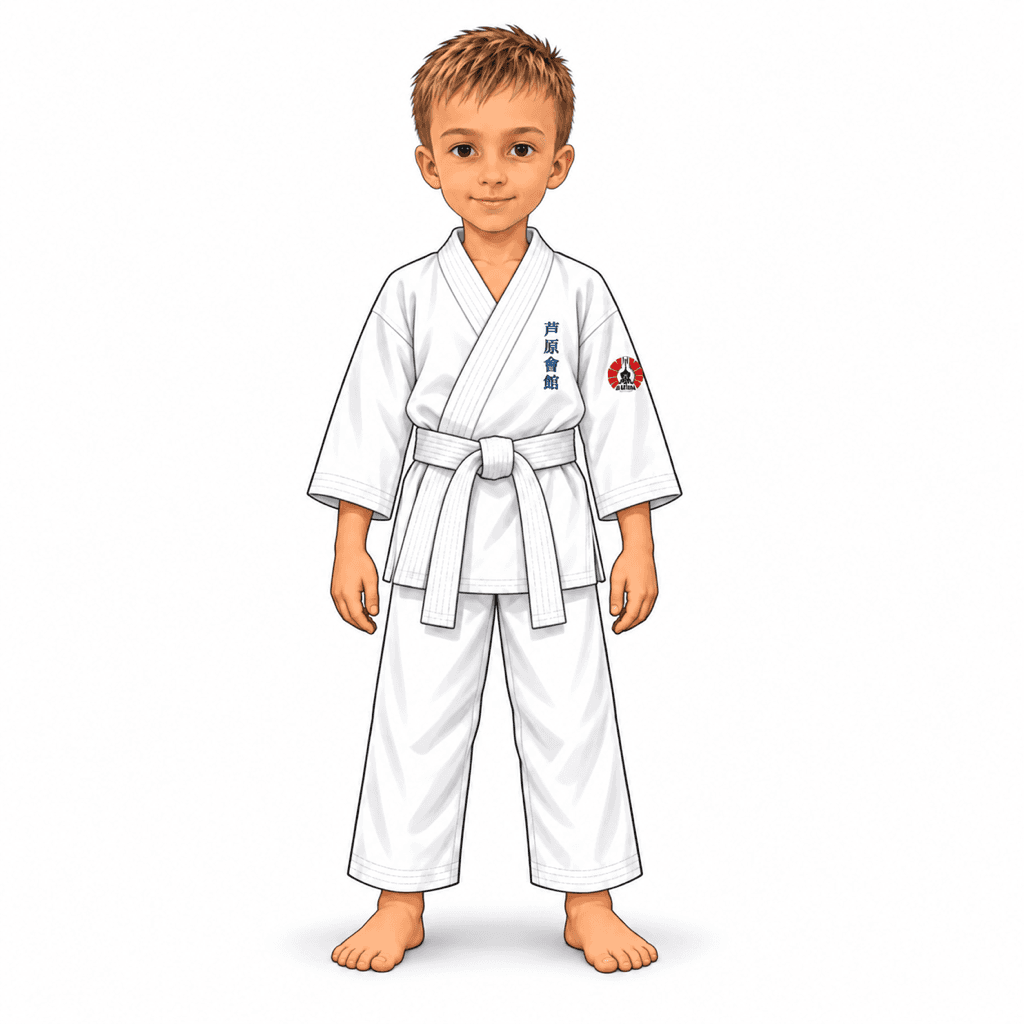
Dōgi / GiTraditional karate training uniform consisting of jacket (uwagi), pants (zubon), and belt (obi).
Dōgi / Gi
道着Traditional karate training uniform consisting of jacket (uwagi), pants (zubon), and belt (obi).
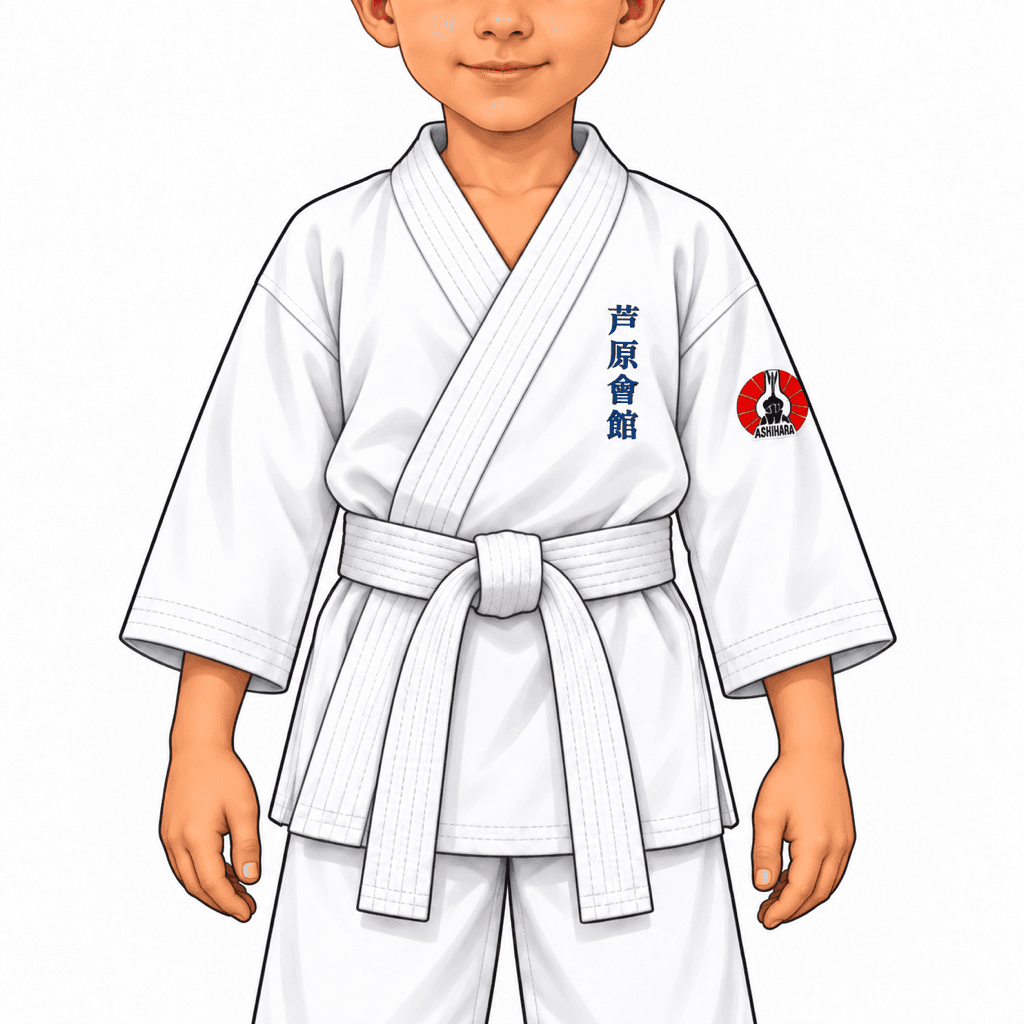
ObiKarate belt indicating the technical rank of the student (Kyu) or master (Dan).
Obi
帯Karate belt indicating the technical rank of the student (Kyu) or master (Dan).
ReiBow, ritual greeting, and expression of mutual respect and gratitude.
Rei
礼Bow, ritual greeting, and expression of mutual respect and gratitude.
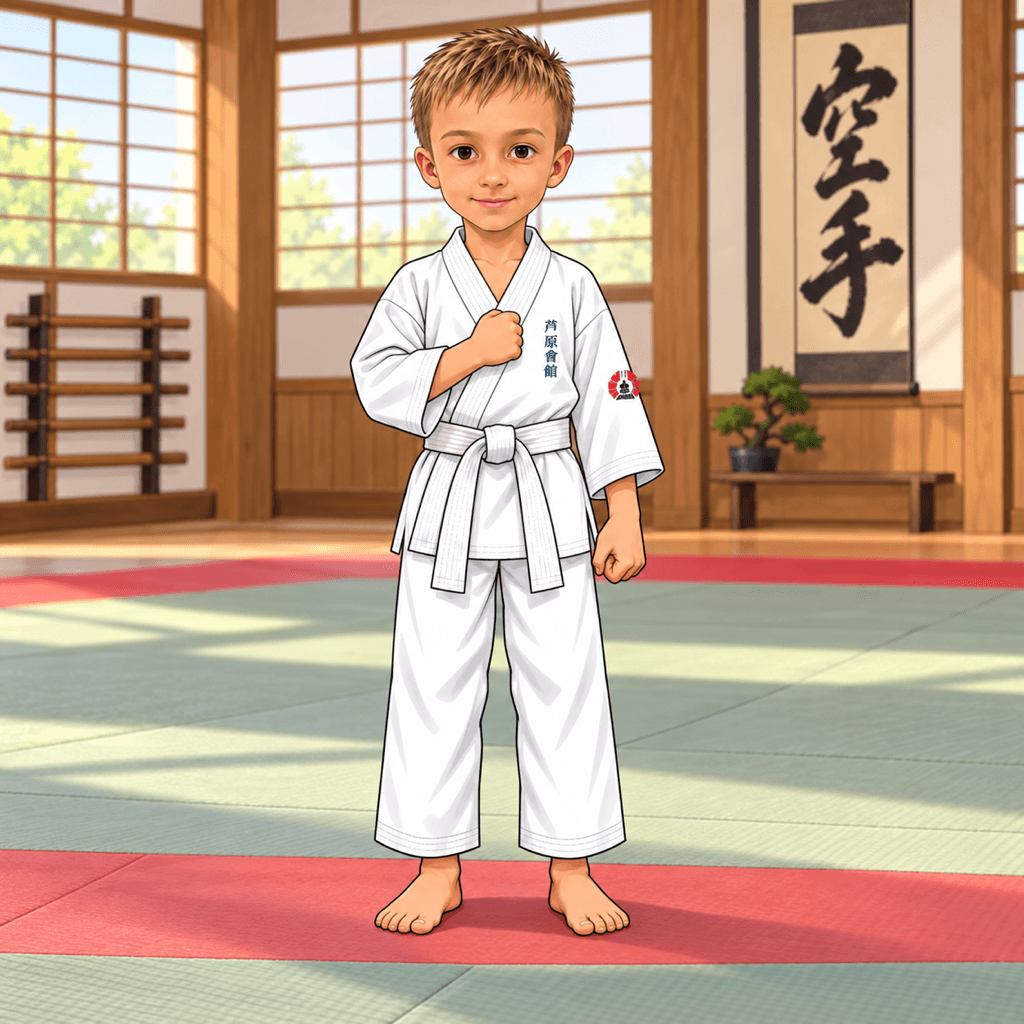
Osu / OssTraditional full-contact karate greeting meaning "to persevere under pressure". Expresses patience, determination, respect, and acknowledgment.
Osu / Oss
押忍Traditional full-contact karate greeting meaning "to persevere under pressure". Expresses patience, determination, respect, and acknowledgment.
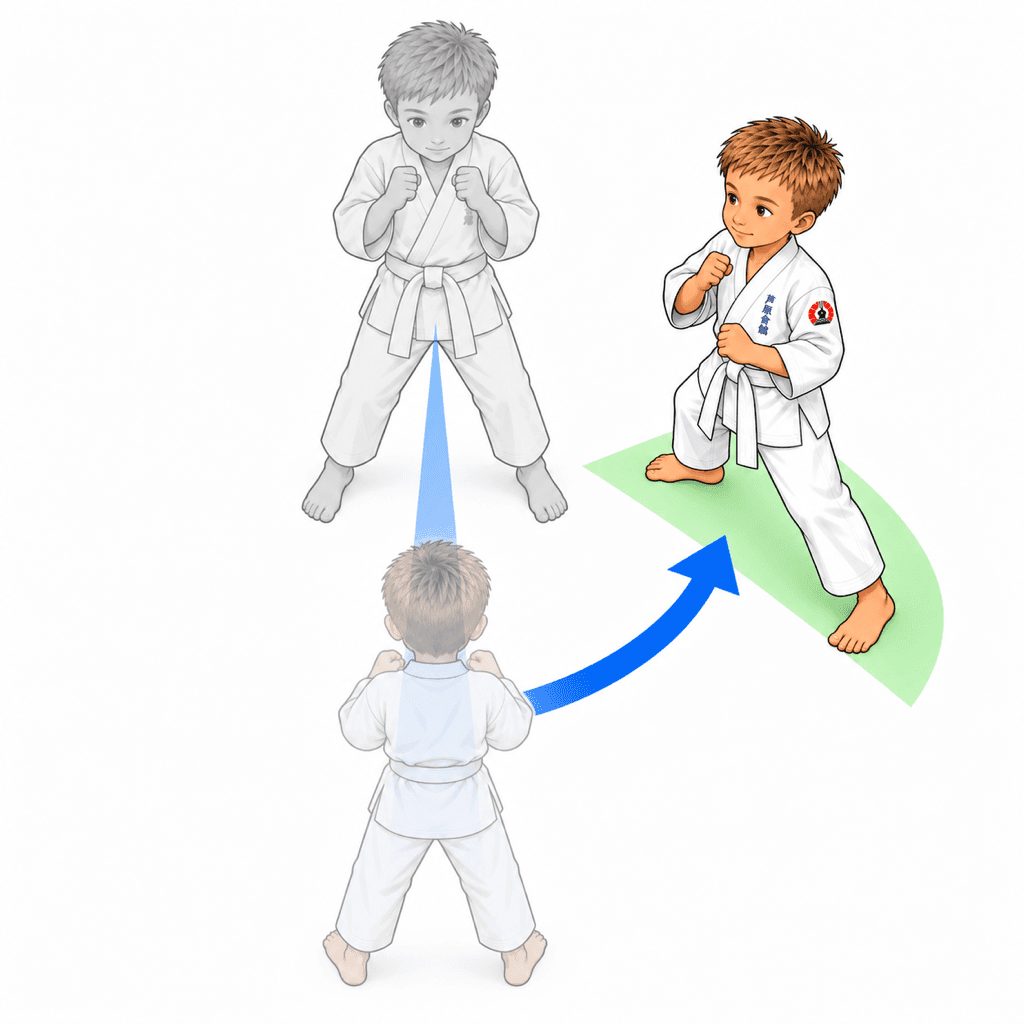
SabakiTactical body positioning and circular movement. Rather than clashing head-on, the defender alters angle and distance to enter the blind spot and gain control.
Sabaki
裁きTactical body positioning and circular movement. Rather than clashing head-on, the defender alters angle and distance to enter the blind spot and gain control.
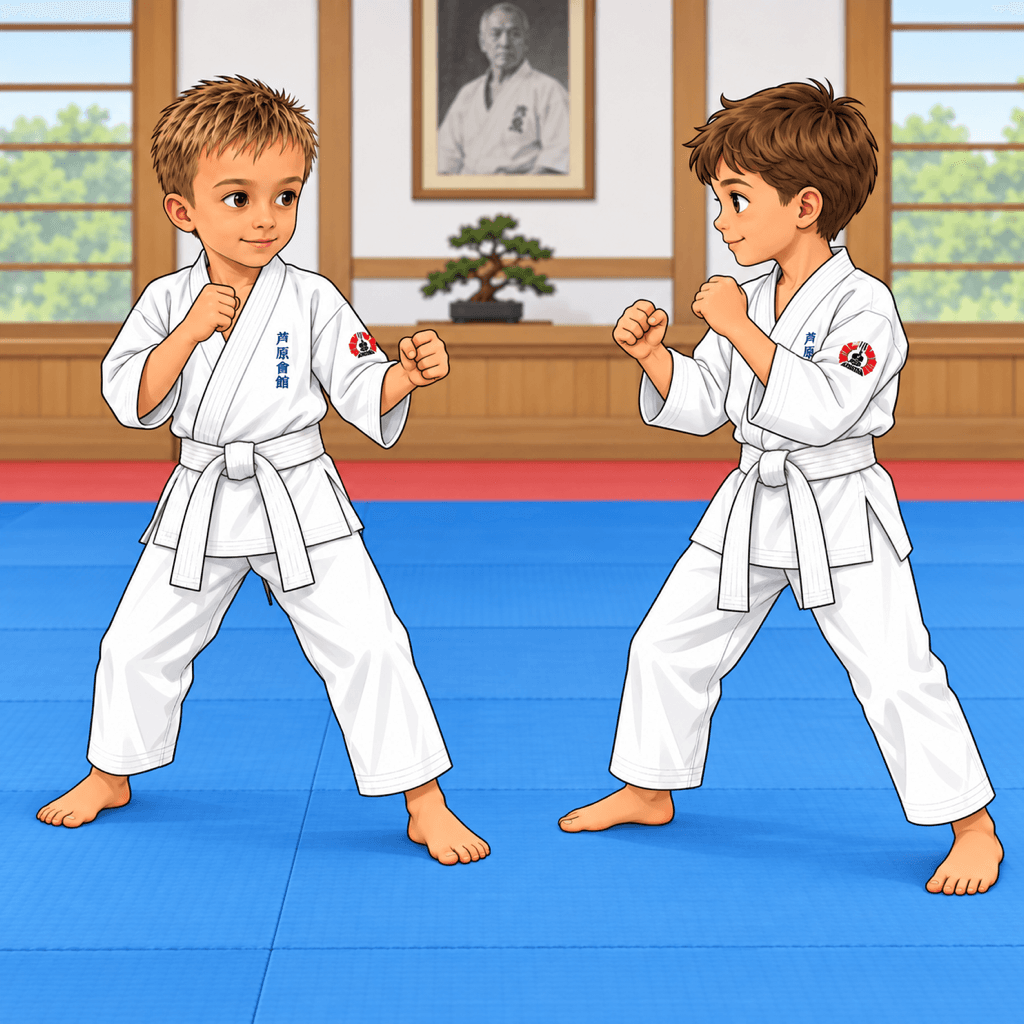
Ma-aiEngagement distance, dynamic space and timing between two combatants.
Ma-ai
間合いEngagement distance, dynamic space and timing between two combatants.
ShikakuBlind spot – a tactical position on the opponent's flank outside their field of vision and striking range.
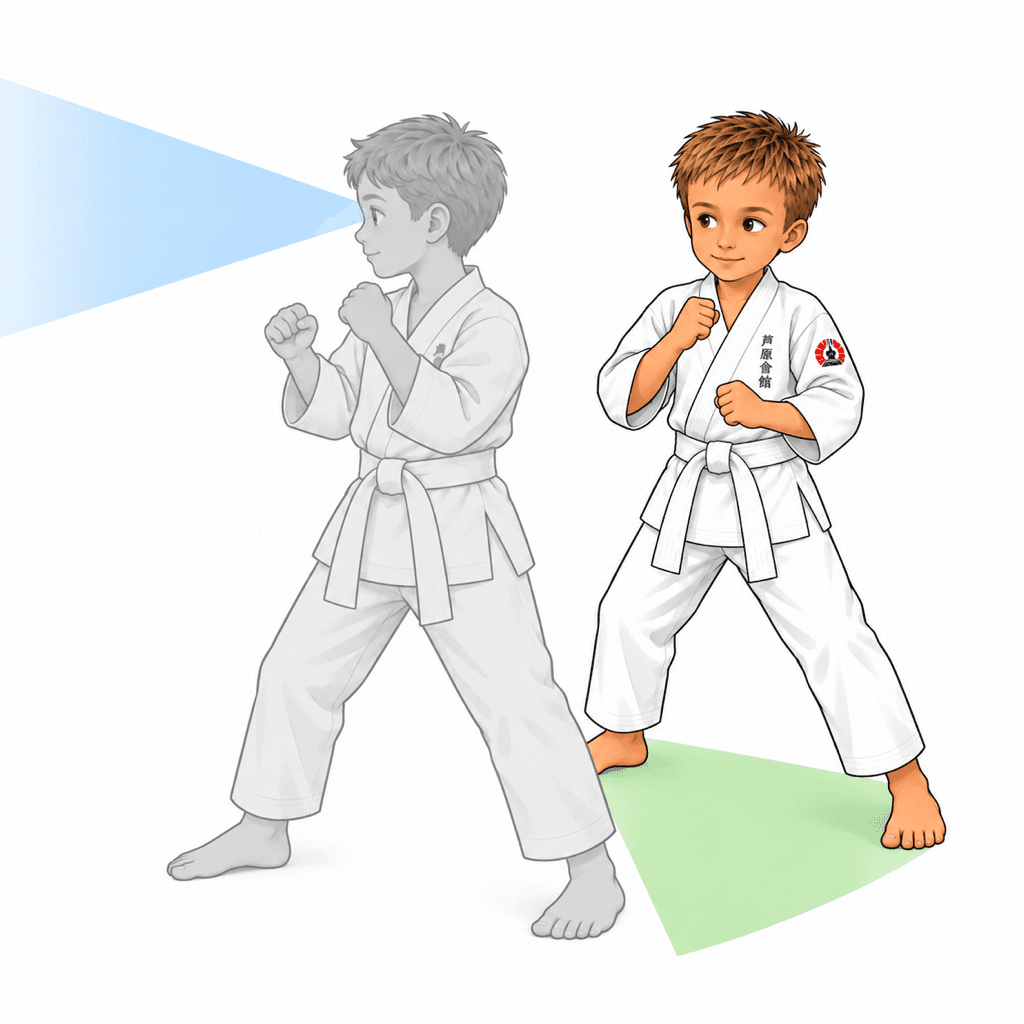
Shikaku
死角Blind spot – a tactical position on the opponent's flank outside their field of vision and striking range.
KuzushiUnbalancing the opponent and breaking their posture before finishing a technique.
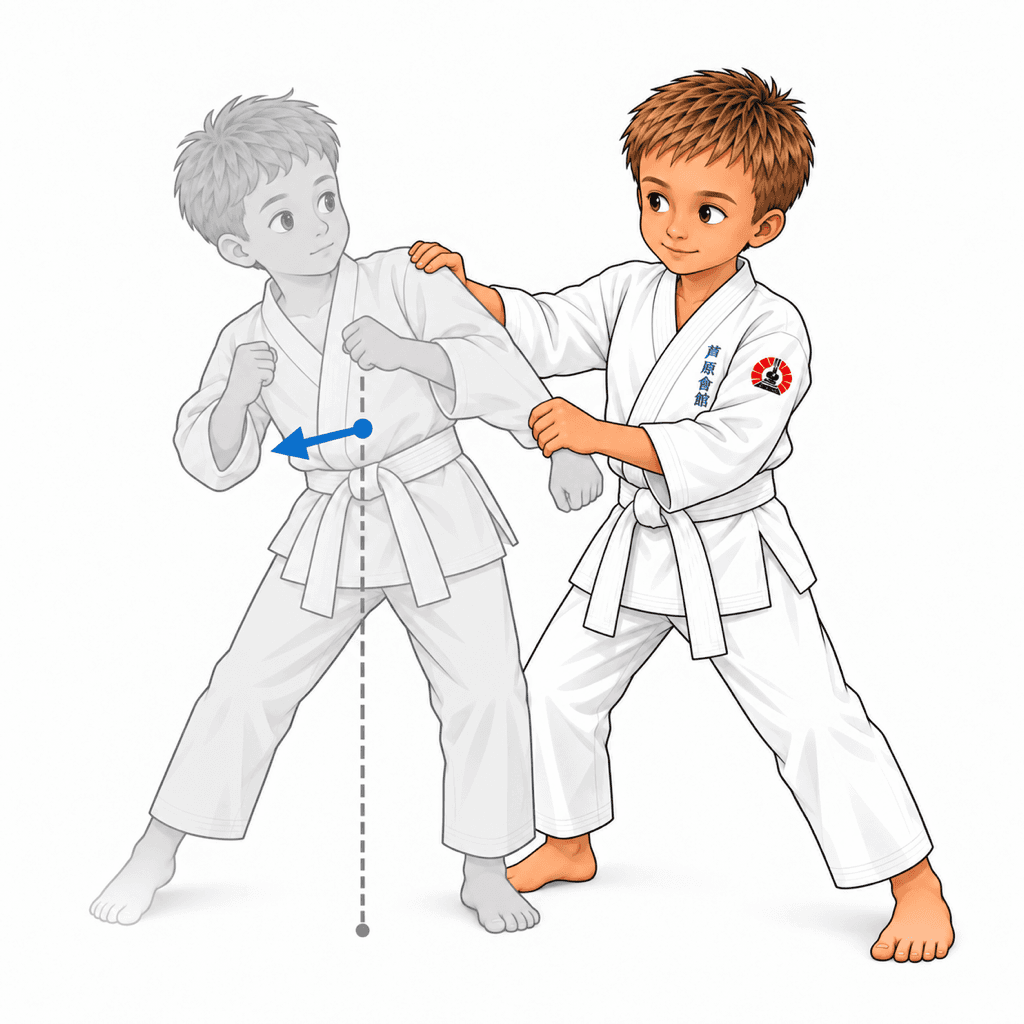
Kuzushi
崩しUnbalancing the opponent and breaking their posture before finishing a technique.
KimeInstantaneous focus of energy and muscle tension at the exact moment of impact.
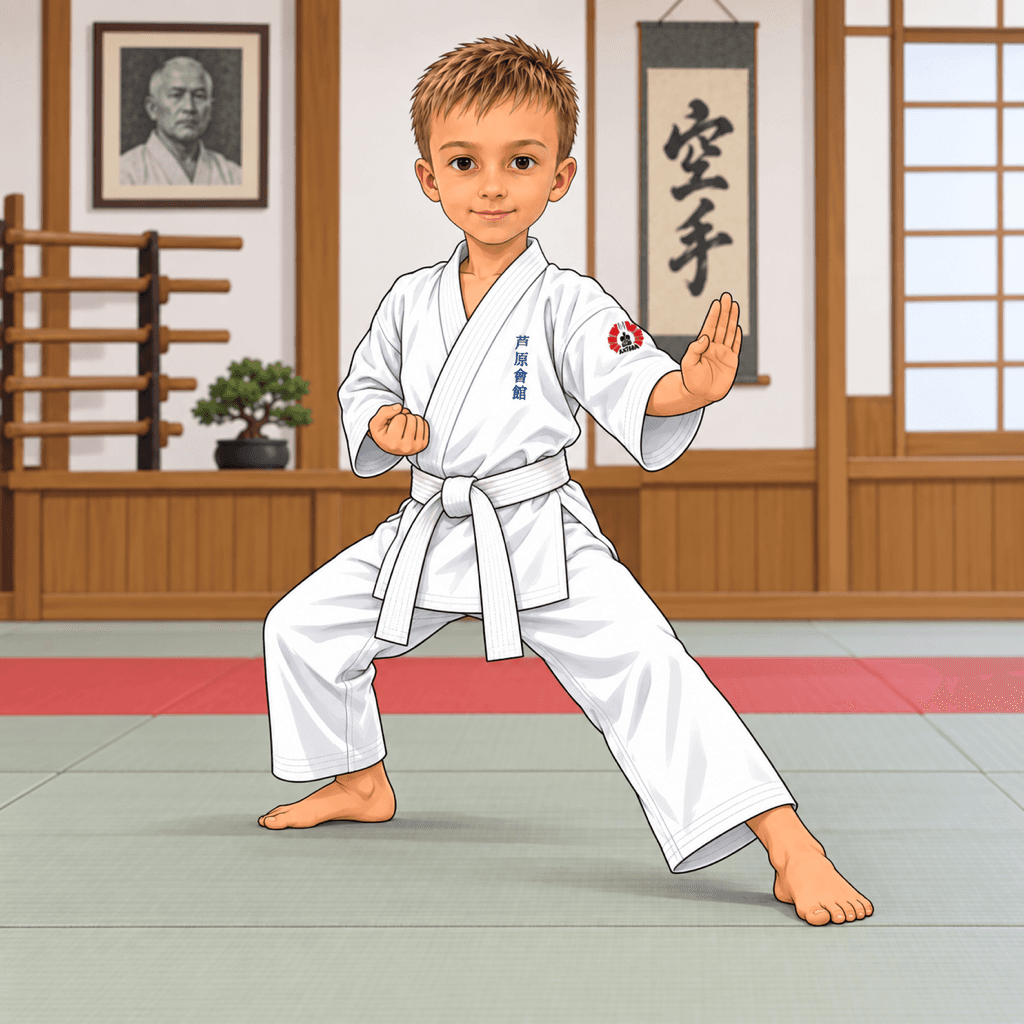
Kime
決めInstantaneous focus of energy and muscle tension at the exact moment of impact.
ZanshinState of ongoing awareness, focus, and total readiness before, during, and after an action.
Zanshin
残心State of ongoing awareness, focus, and total readiness before, during, and after an action.
MokusōShort silent meditation in seiza at the start and end of training to clear and focus the mind.
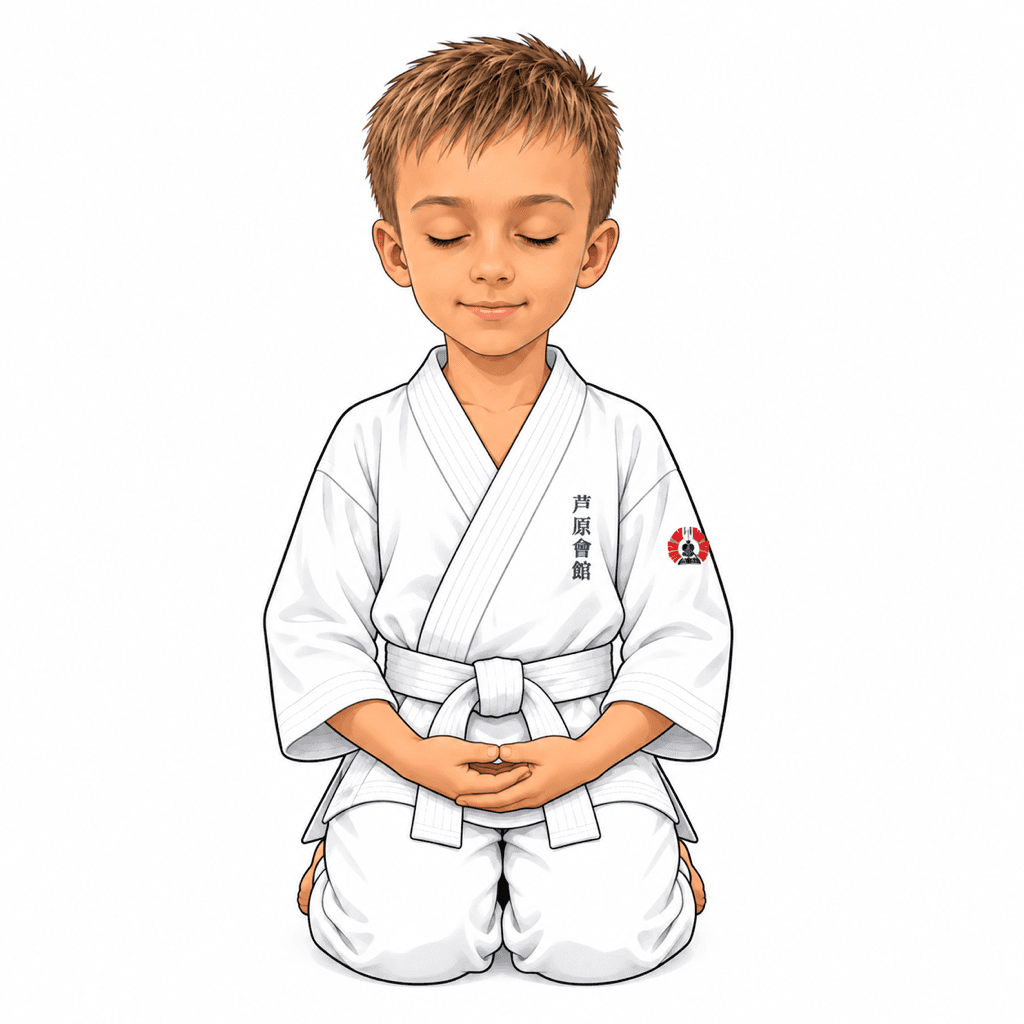
Mokusō
黙想Short silent meditation in seiza at the start and end of training to clear and focus the mind.
SenseiTeacher, master, or head instructor in the dojo ("one who was born before and guides on the Path").
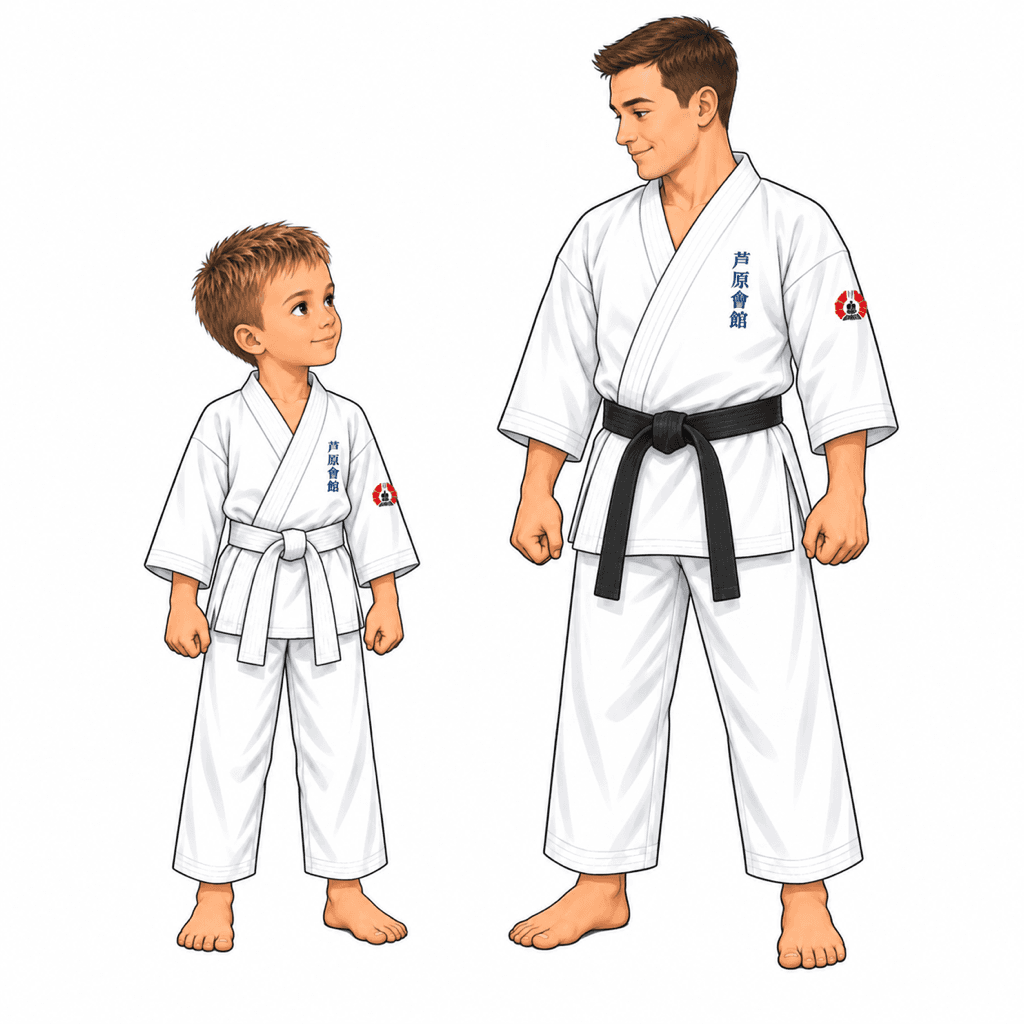
Sensei
先生Teacher, master, or head instructor in the dojo ("one who was born before and guides on the Path").
SenpaiSenior student, assistant instructor, or more experienced peer in the dojo.
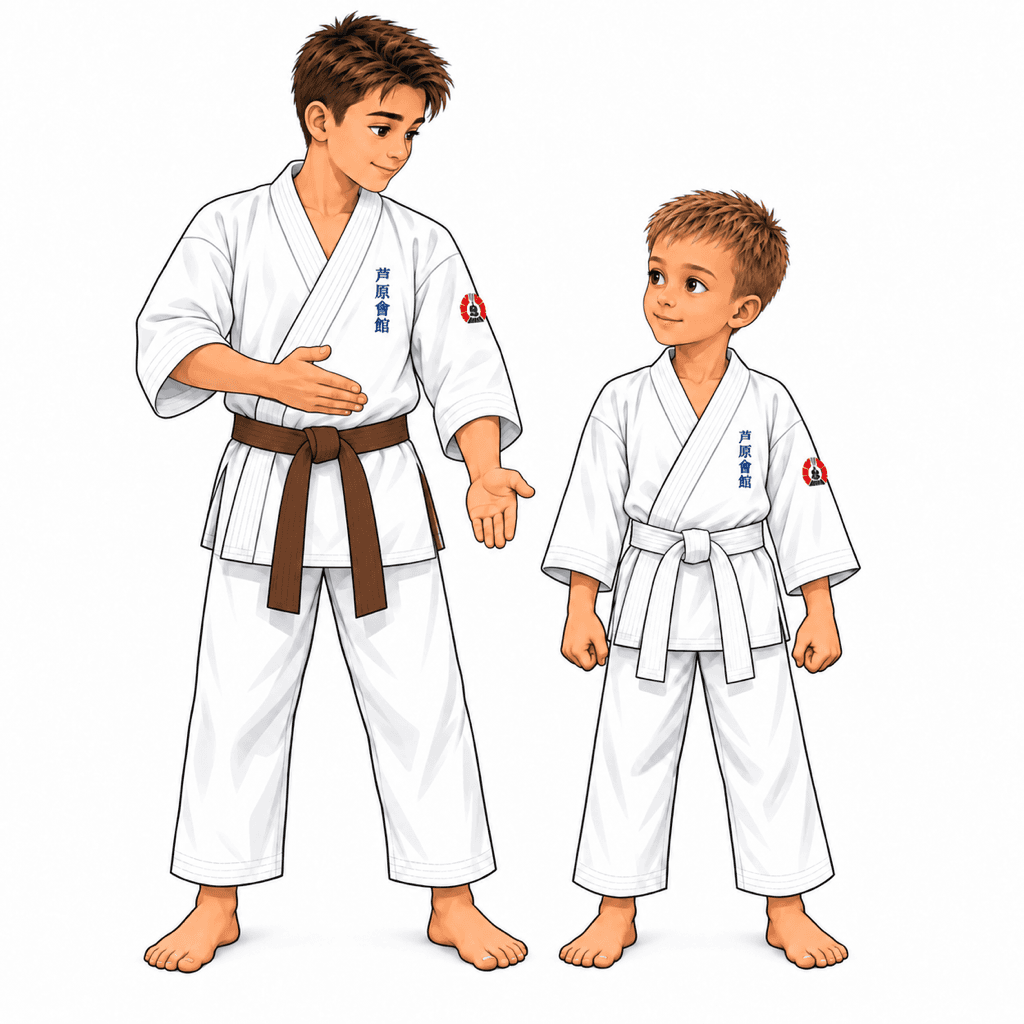
Senpai
先輩Senior student, assistant instructor, or more experienced peer in the dojo.
KōhaiJunior student or beginner learning from seniors (Senpai) and teachers (Sensei).
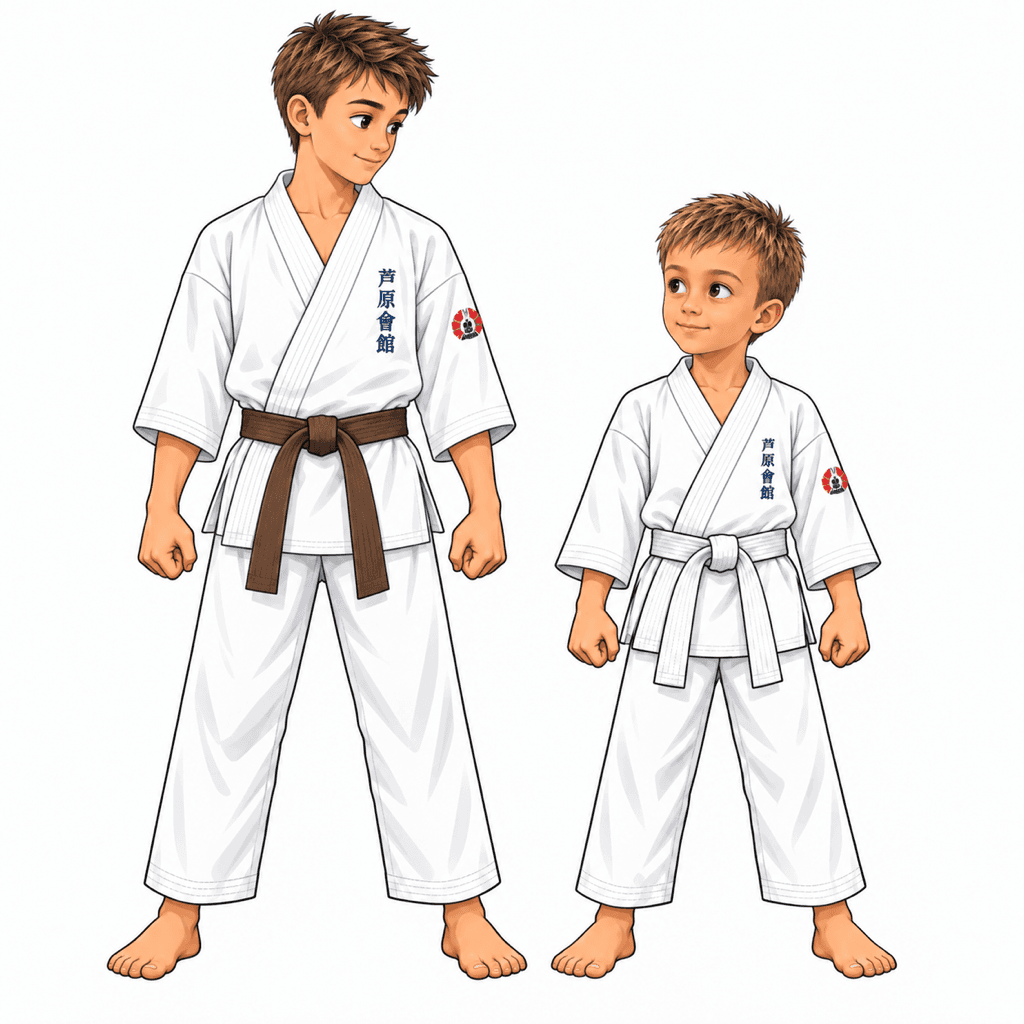
Kōhai
後輩Junior student or beginner learning from seniors (Senpai) and teachers (Sensei).
ShihanMaster title and chief instructor designation (typically 5th Dan and above).
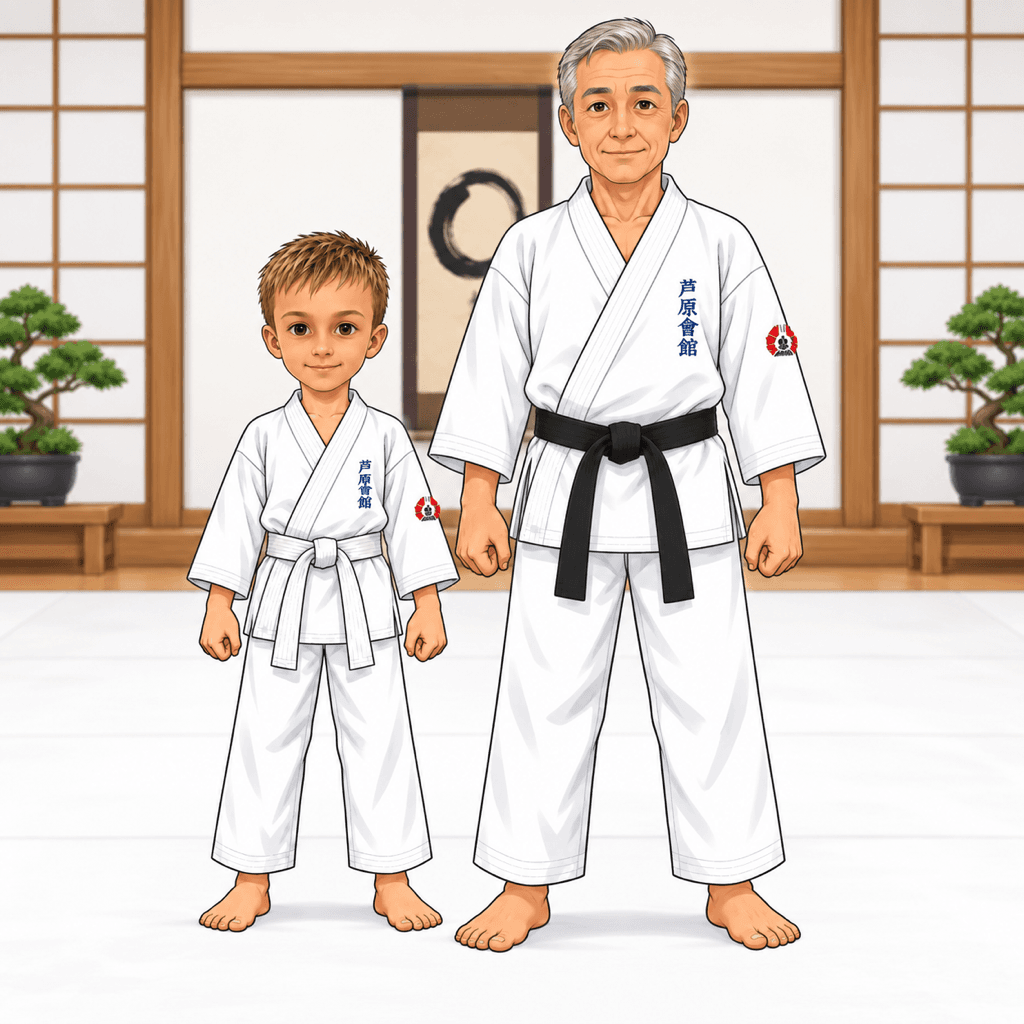
Shihan
師範Master title and chief instructor designation (typically 5th Dan and above).
DanMaster black-belt rank designation (Yudansha).
Dan
段Master black-belt rank designation (Yudansha).
KyuStudent grade level (10th to 1st Kyu) designated by colored belts (Mudansha).
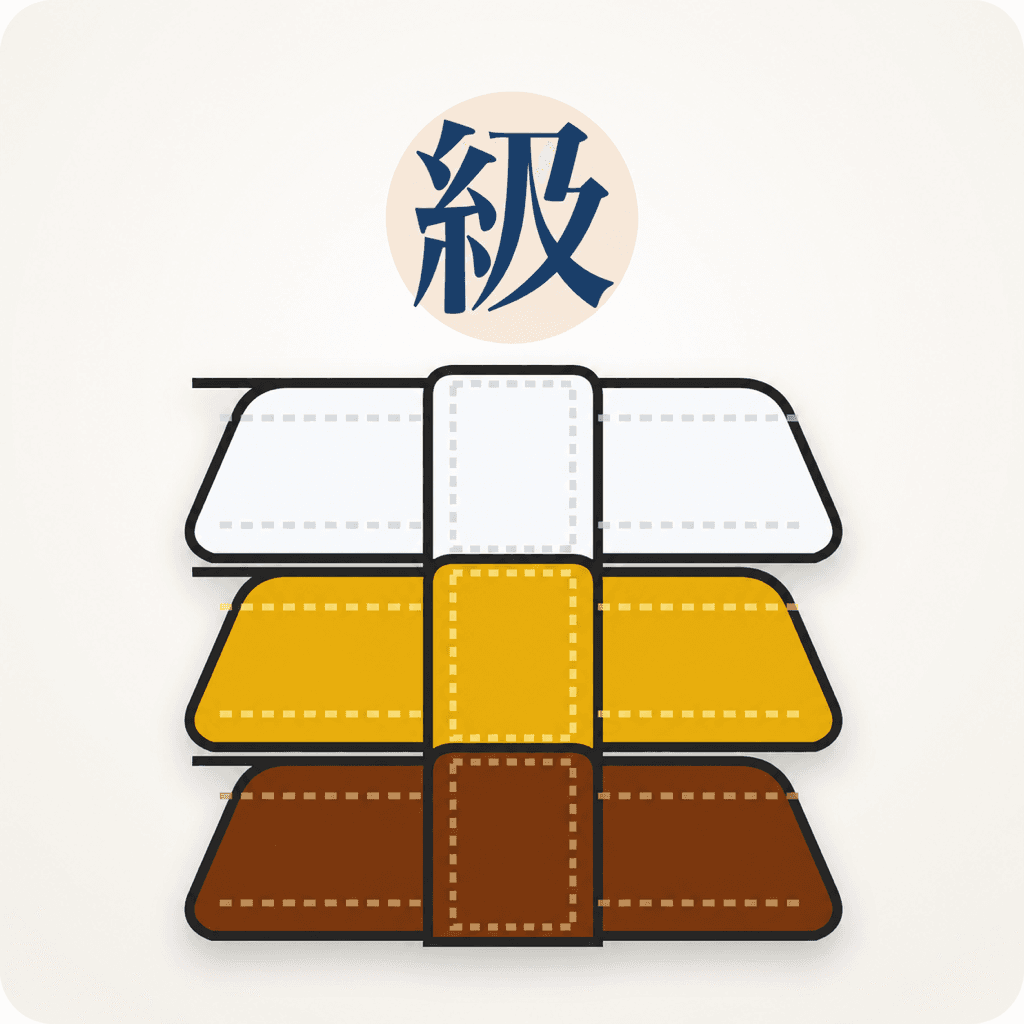
Kyu
級Student grade level (10th to 1st Kyu) designated by colored belts (Mudansha).
KihonPractice of fundamental techniques, stances, strikes, blocks, and kicks.
Kihon
基本Practice of fundamental techniques, stances, strikes, blocks, and kicks.
KataPrescribed pattern of movements combining stances, blocks, strikes, and kicks simulating combat.
Kata
型Prescribed pattern of movements combining stances, blocks, strikes, and kicks simulating combat.
KumiteSparring / partner work – controlled or free fighting to test distance, timing, and tactics.
Kumite
組手Sparring / partner work – controlled or free fighting to test distance, timing, and tactics.
Junbi UndōWarm-up and preparatory exercises: joint mobility, muscular readiness, and coordination.
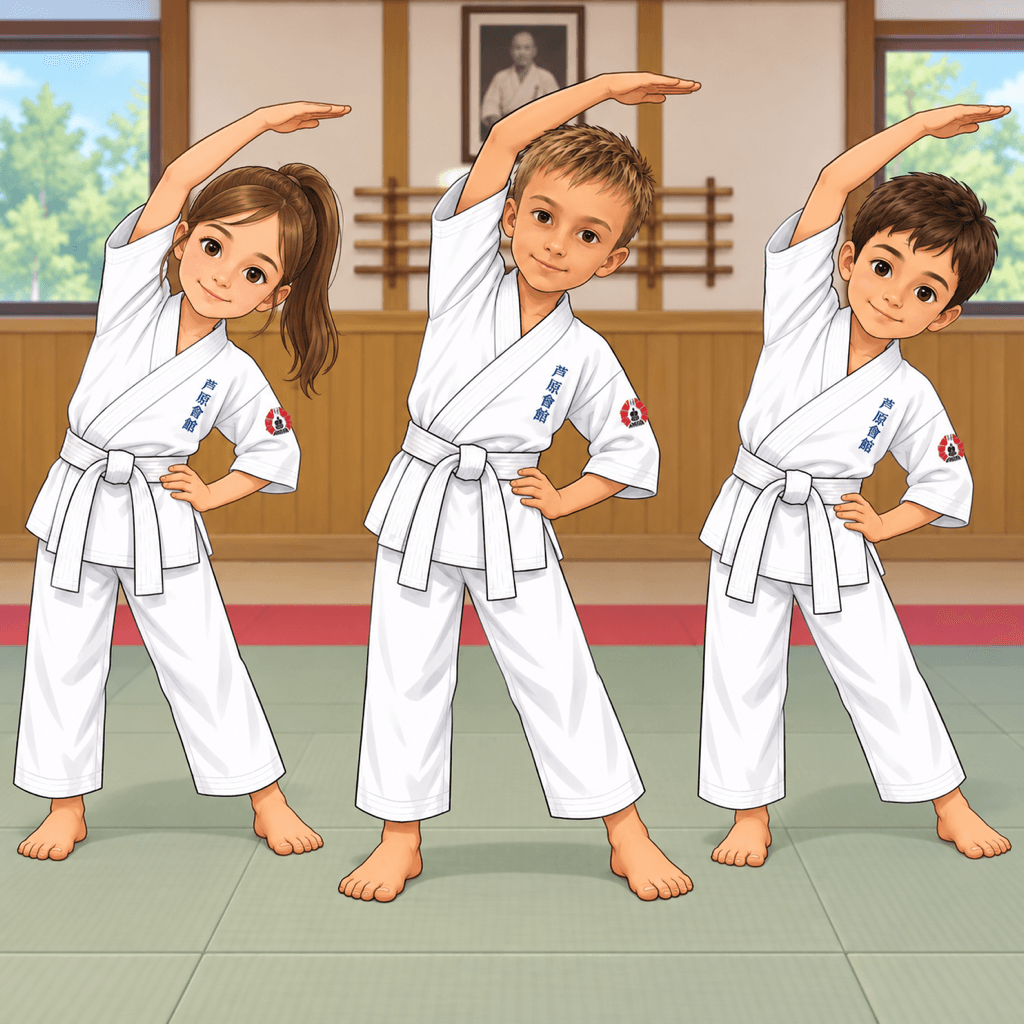
Junbi Undō
準備運動Warm-up and preparatory exercises: joint mobility, muscular readiness, and coordination.
Open video on YouTubeTameshiwariBoard breaking – test of striking power, focus, and technique by breaking hard materials.
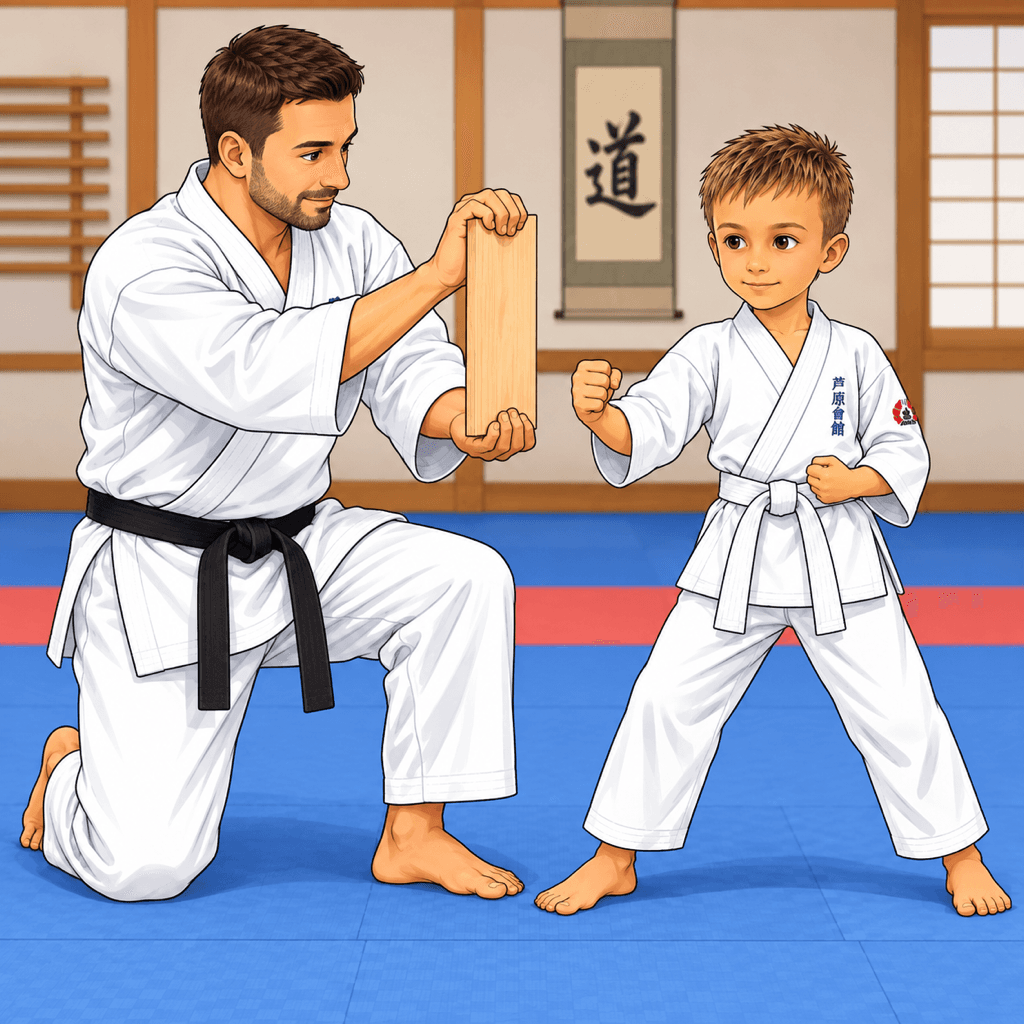
Tameshiwari
試し割りBoard breaking – test of striking power, focus, and technique by breaking hard materials.
Open video on YouTubeKamaeCombat guard and ready stance enabling immediate movement, defense, or counter-attack.
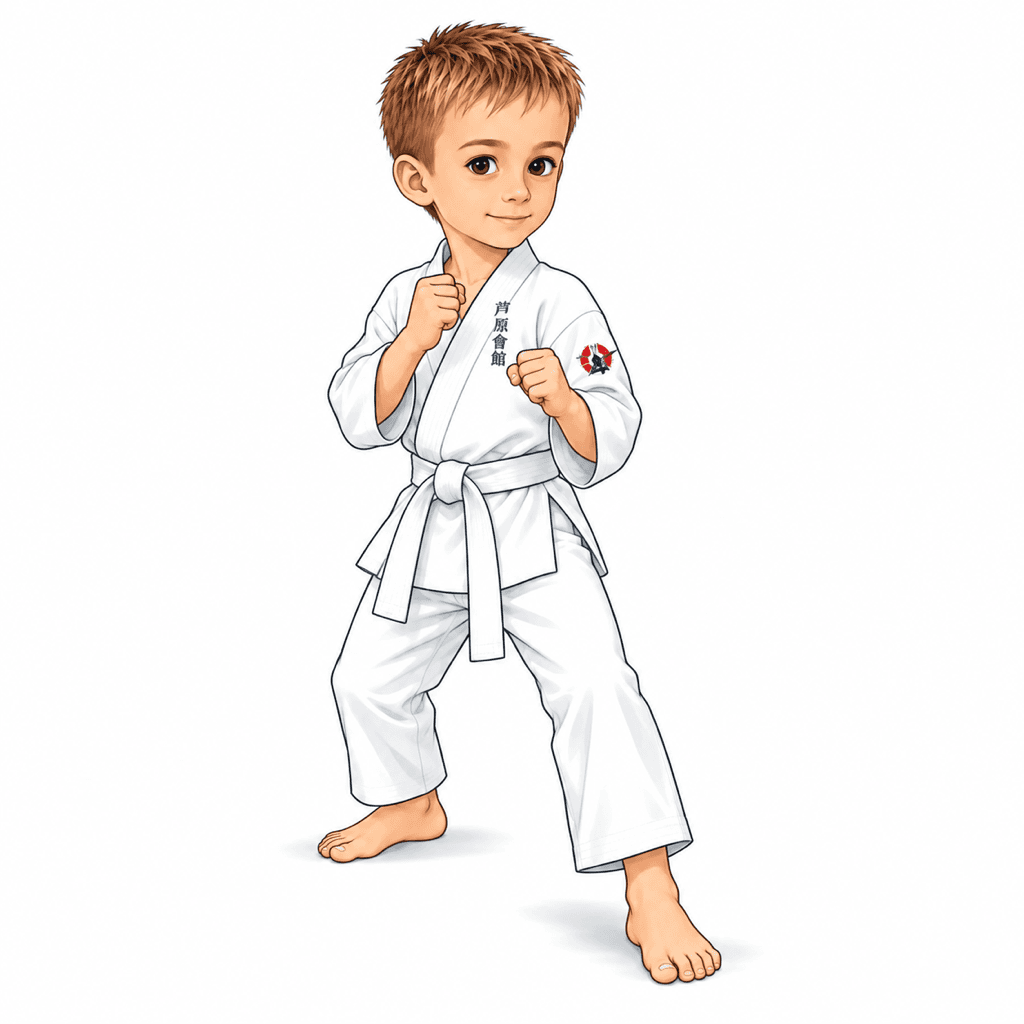
Kamae
構えCombat guard and ready stance enabling immediate movement, defense, or counter-attack.
Fudō dachiImmovable rooted stance with feet shoulder-width apart, toes pointing slightly outward.
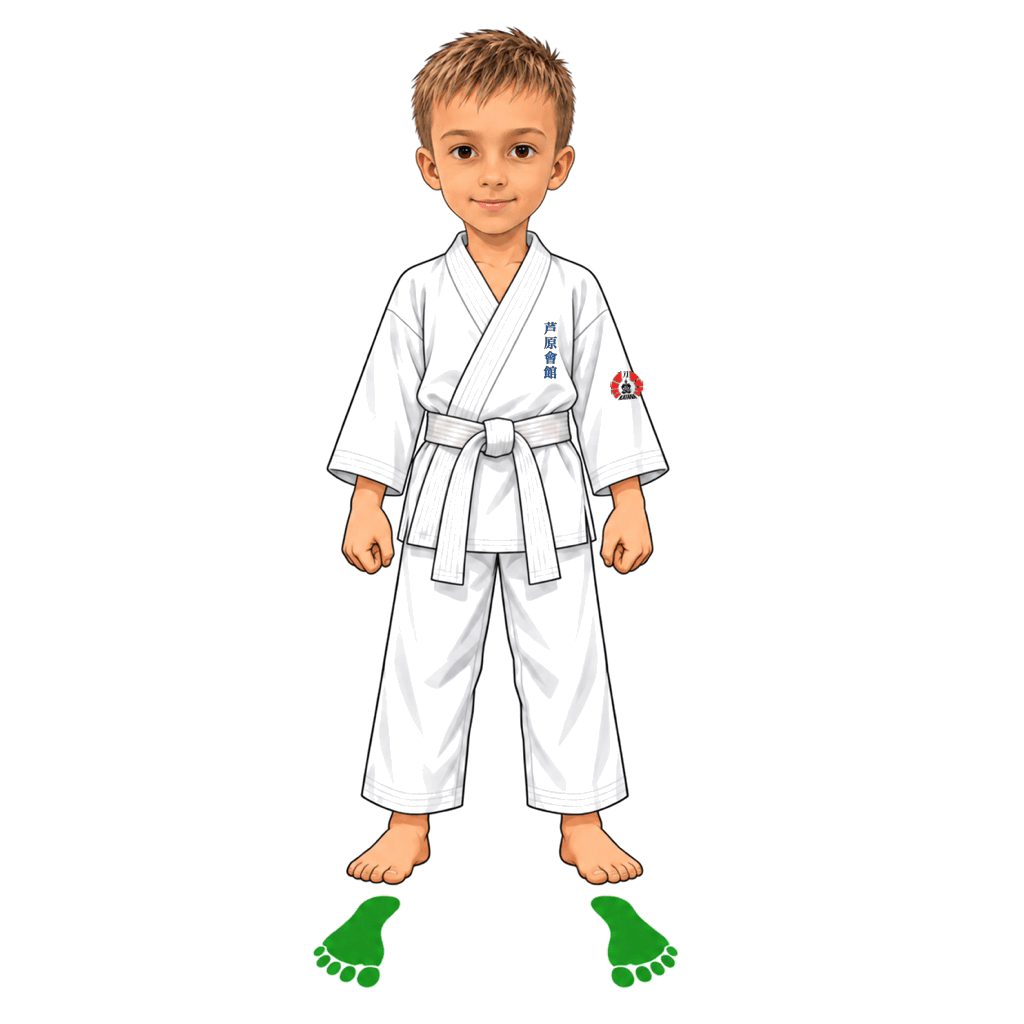
Fudō dachi
不動立ちImmovable rooted stance with feet shoulder-width apart, toes pointing slightly outward.
Zenkutsu dachiForward stance with 60–70% of weight on the bent front leg, back leg extended straight.
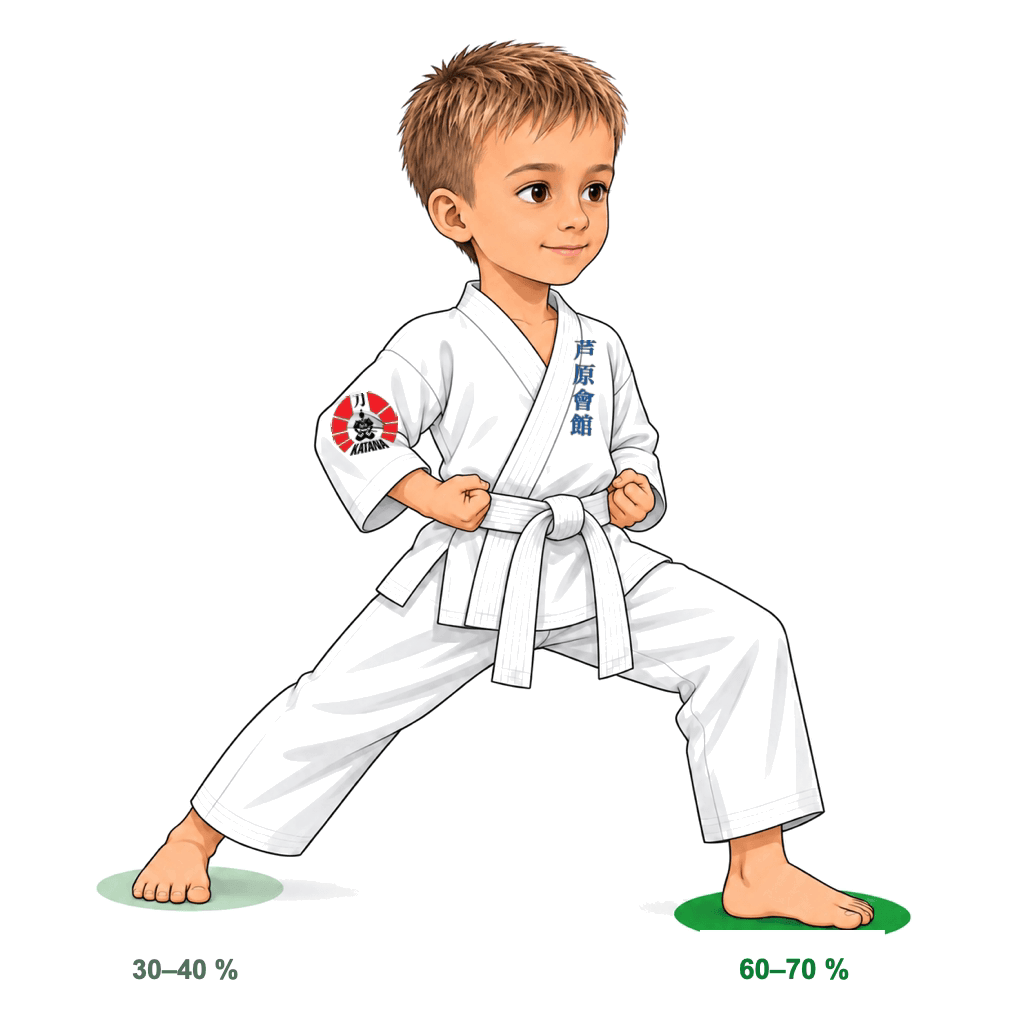
Zenkutsu dachi
前屈立ちForward stance with 60–70% of weight on the bent front leg, back leg extended straight.
Kōkutsu dachiBack defensive stance with ~70% weight on the bent rear leg and light front foot.
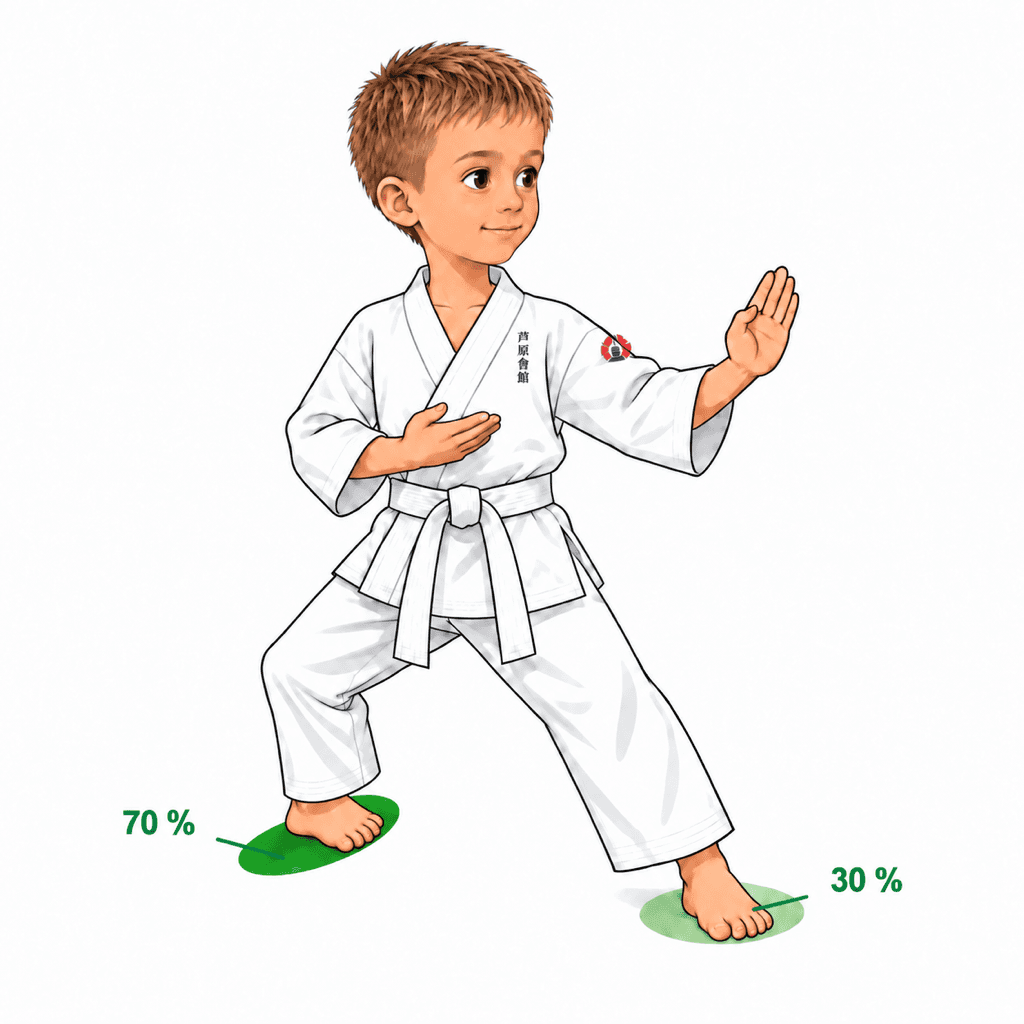
Kōkutsu dachi
後屈立ちBack defensive stance with ~70% weight on the bent rear leg and light front foot.
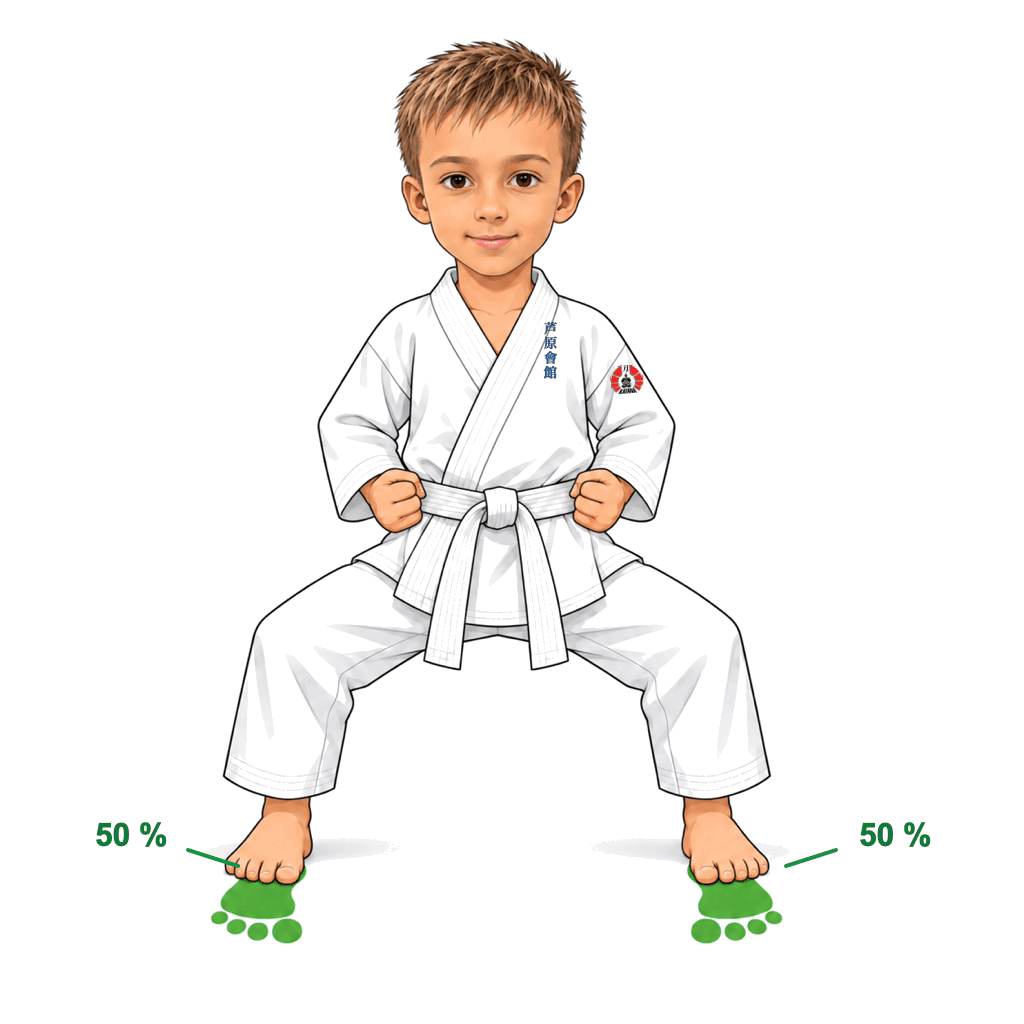
Kiba dachiHorse-riding stance with wide parallel feet, deep knee bend, and 50/50 weight distribution.
Kiba dachi
騎馬立ちHorse-riding stance with wide parallel feet, deep knee bend, and 50/50 weight distribution.
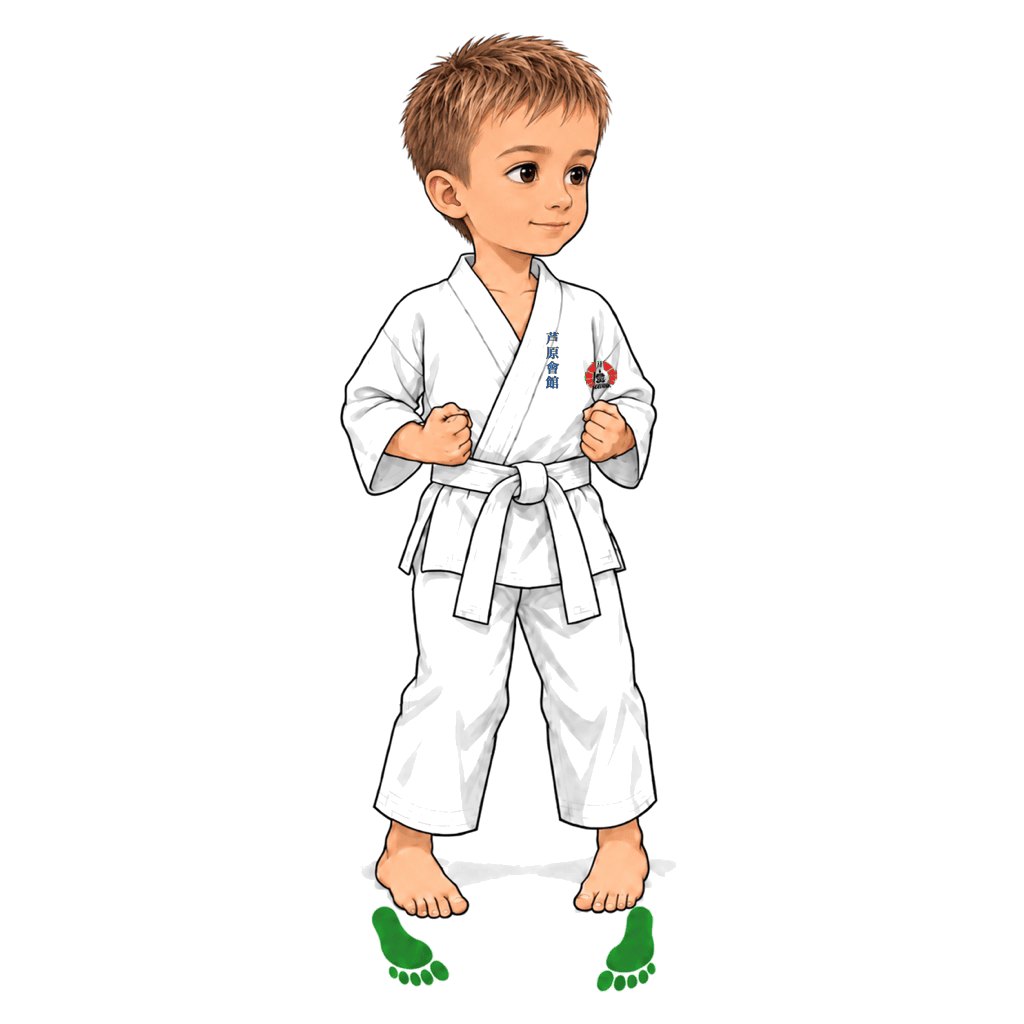
Open video on YouTubeSanchin dachi"Three Battles" hourglass stance with slightly turned-in toes for core stability and rooting.
Sanchin dachi
三戦立ち"Three Battles" hourglass stance with slightly turned-in toes for core stability and rooting.
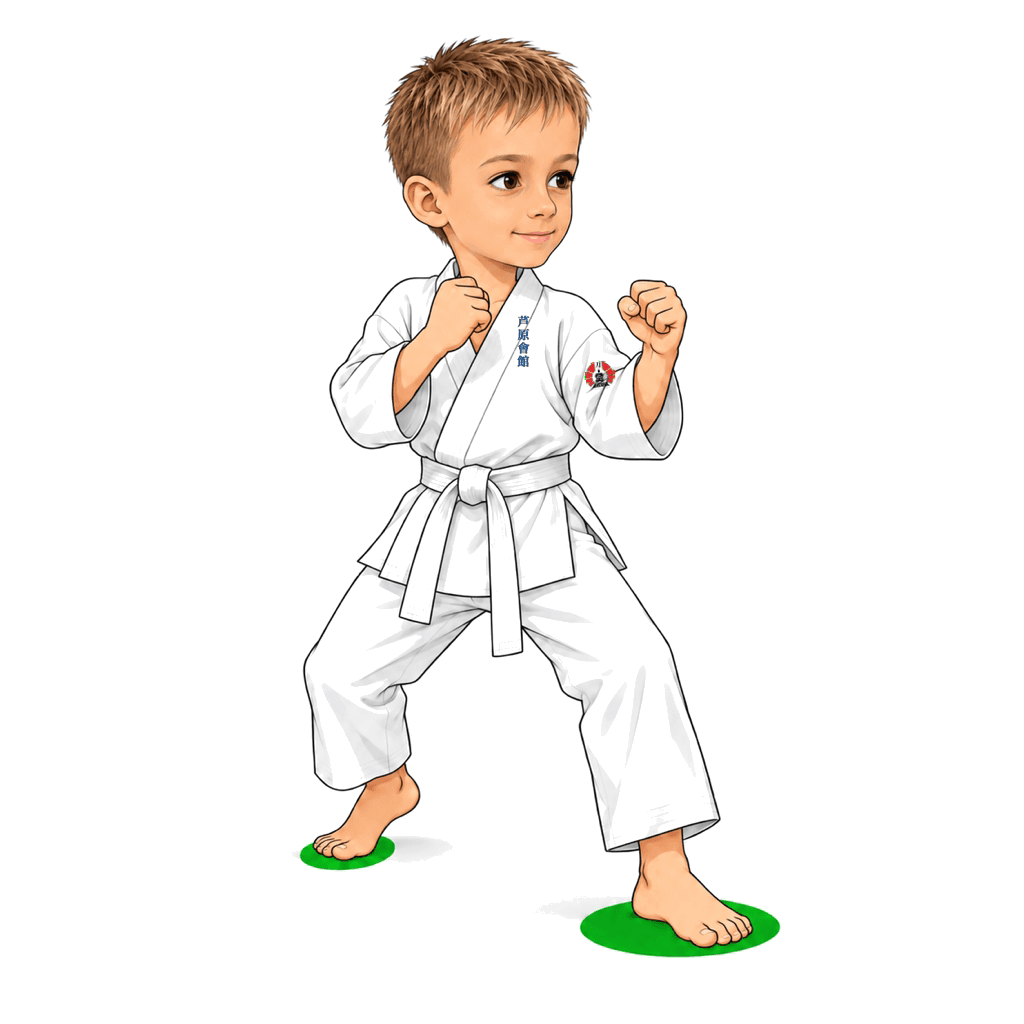
Open video on YouTubeKumite dachiDynamic sparring fighting stance with rear heel raised, enabling rapid agile movement.
Kumite dachi
組手立ちDynamic sparring fighting stance with rear heel raised, enabling rapid agile movement.
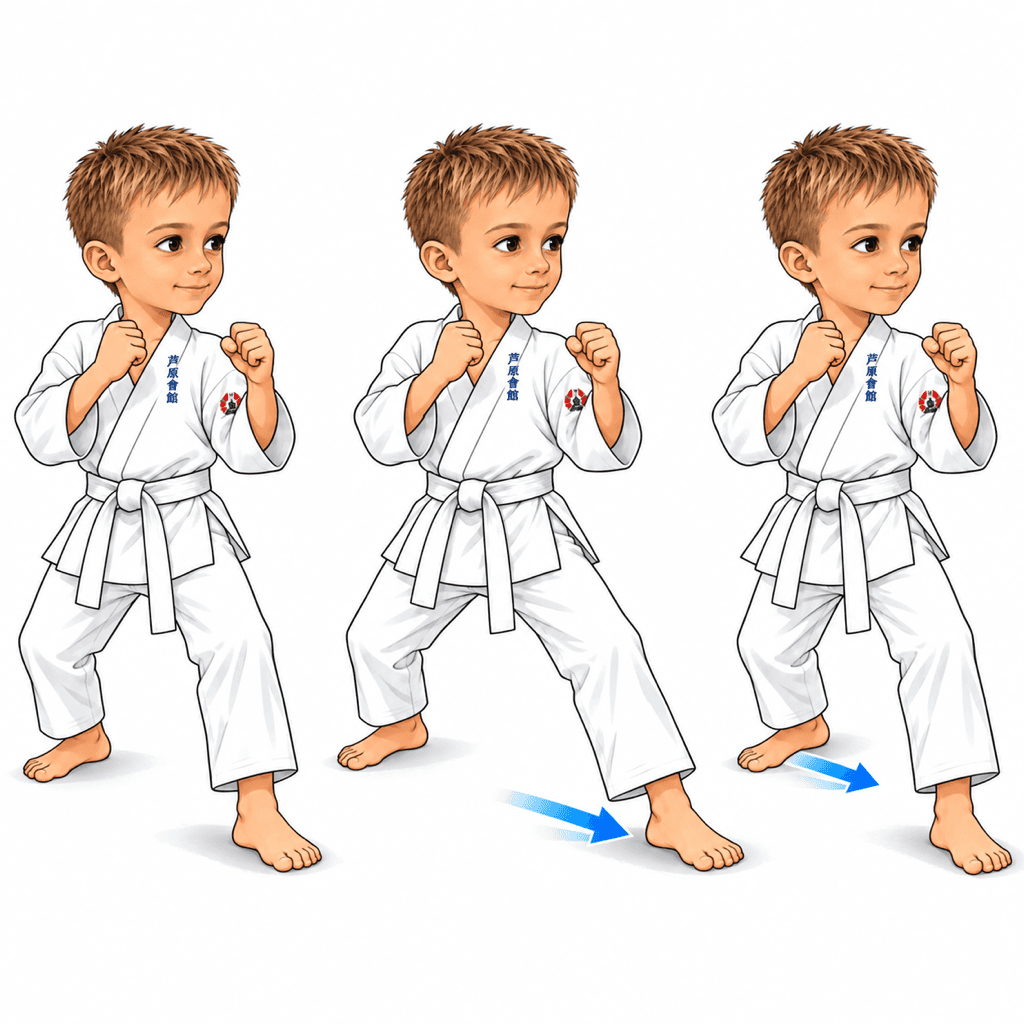
Ashi sabakiFootwork methodology, evasion, and movement mechanics on the tatami.
Ashi sabaki
足捌きFootwork methodology, evasion, and movement mechanics on the tatami.
Ayumi ashiNatural stepping forward where the rear leg crosses forward past the front leg.
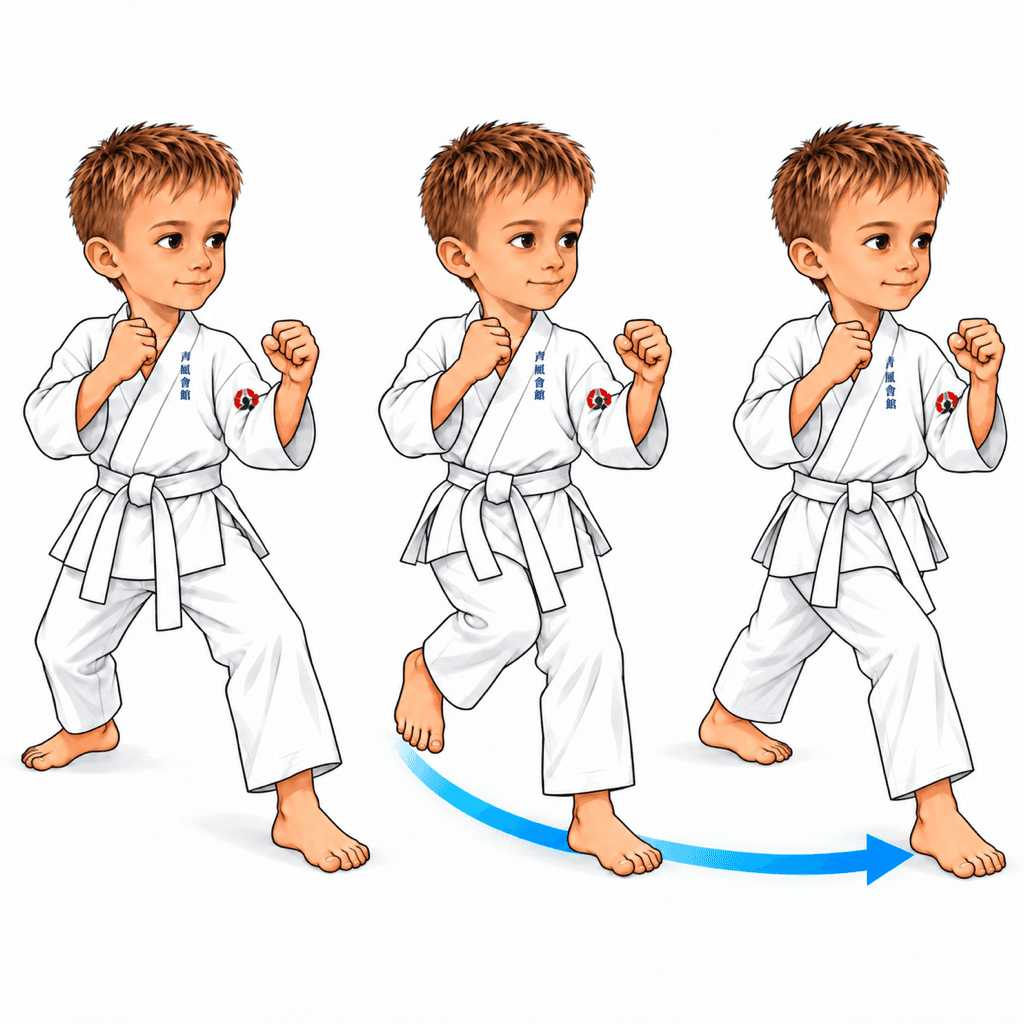
Ayumi ashi
歩み足Natural stepping forward where the rear leg crosses forward past the front leg.
Open video on YouTubeTsugi ashiFollow-step footwork where the rear foot slides up to the front foot before pushing forward.
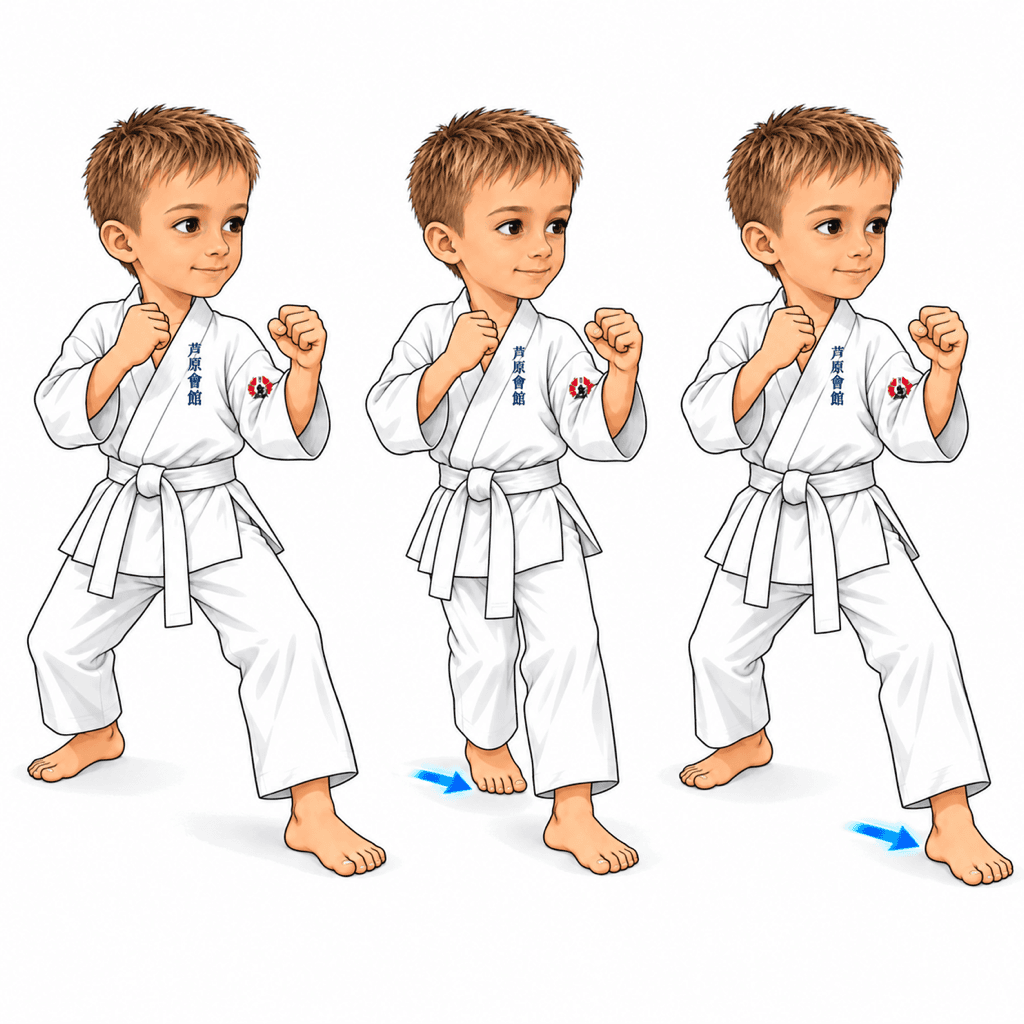
Tsugi ashi
継ぎ足Follow-step footwork where the rear foot slides up to the front foot before pushing forward.
Open video on YouTubeMawari ashiCircular pivot turn on the ball or heel of the foot to change angles in Sabaki.
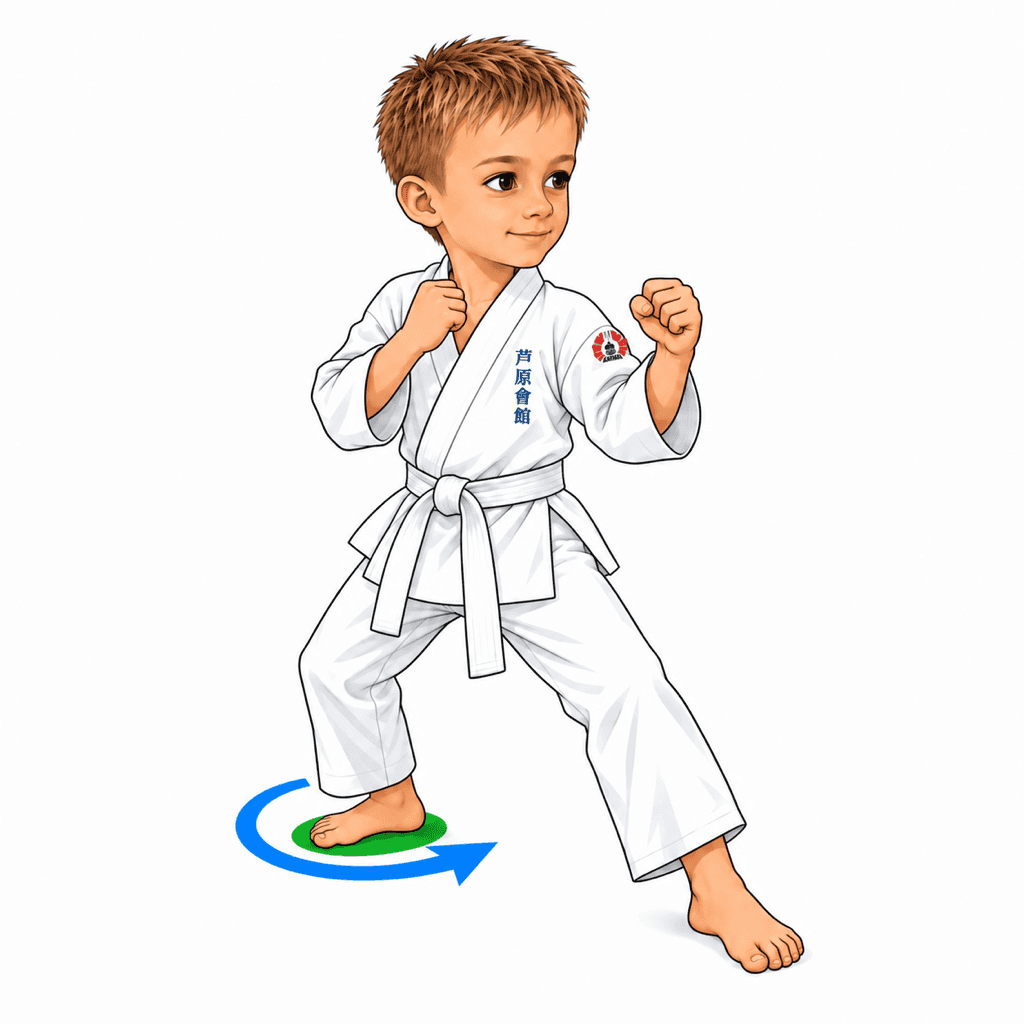
Mawari ashi
回り足Circular pivot turn on the ball or heel of the foot to change angles in Sabaki.
JōdanUpper level target zone – head, face, chin, neck, and throat.
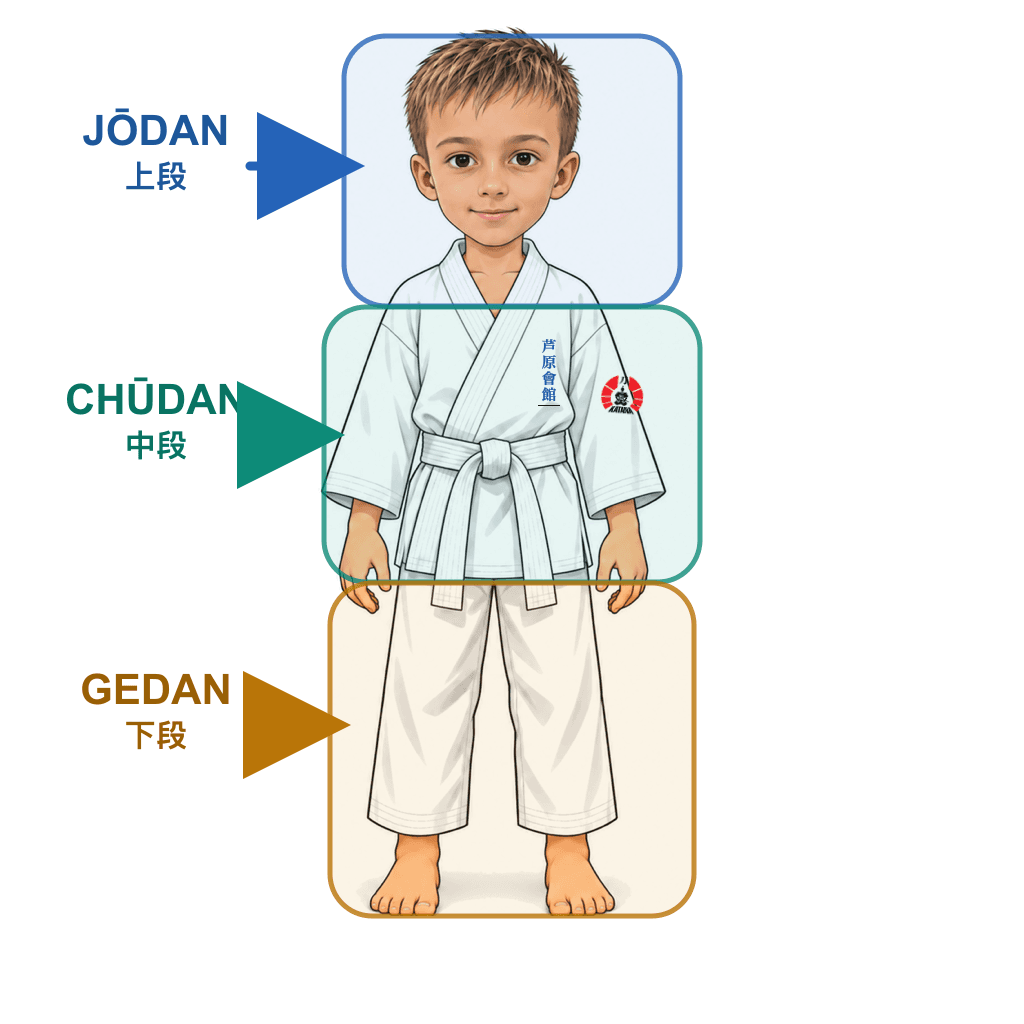
Jōdan
上段Upper level target zone – head, face, chin, neck, and throat.
ChūdanMiddle level target zone – solar plexus, chest, ribs, and abdomen.
Chūdan
中段Middle level target zone – solar plexus, chest, ribs, and abdomen.
GedanLower level target zone – groin, thighs, knees, shins, and legs.
Gedan
下段Lower level target zone – groin, thighs, knees, shins, and legs.
HidariLeft / left side.
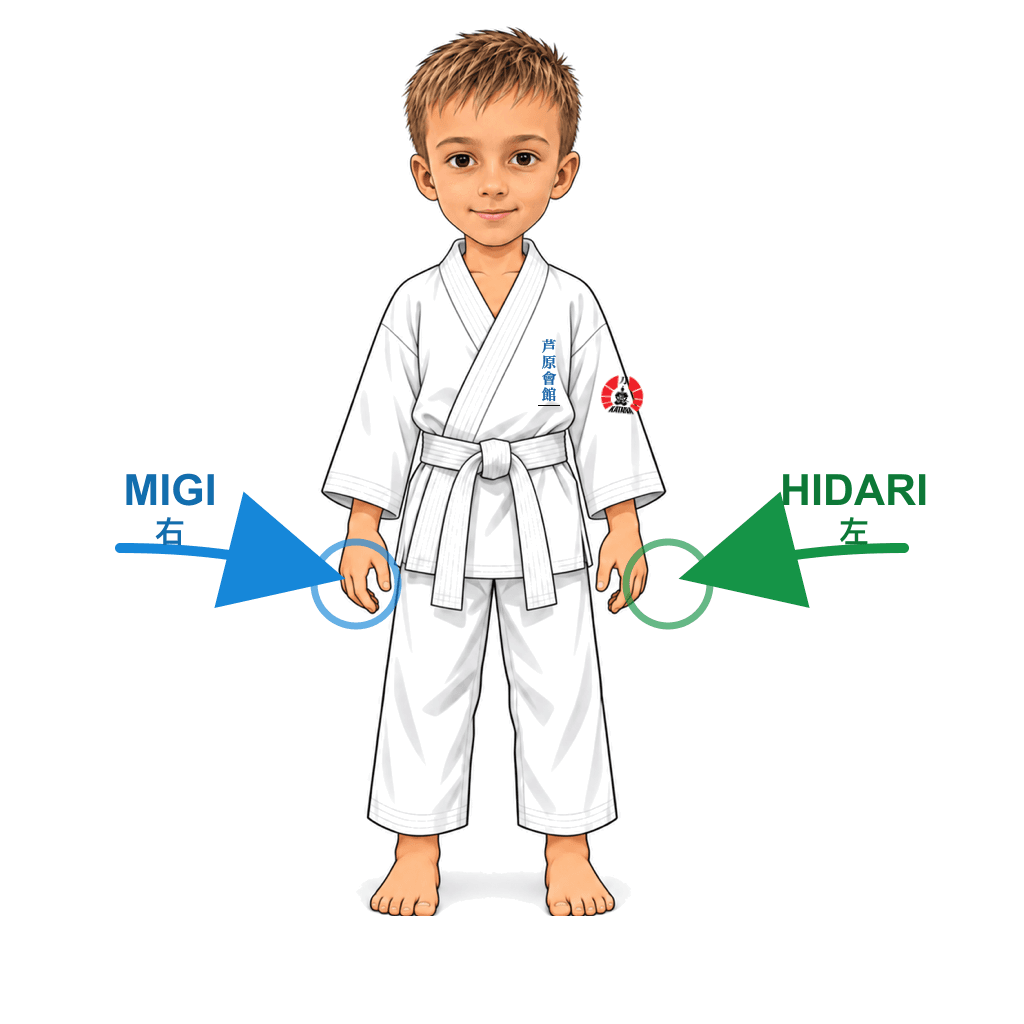
Hidari
左Left / left side.
MigiRight / right side.
Migi
右Right / right side.
MaeFront / forward direction.
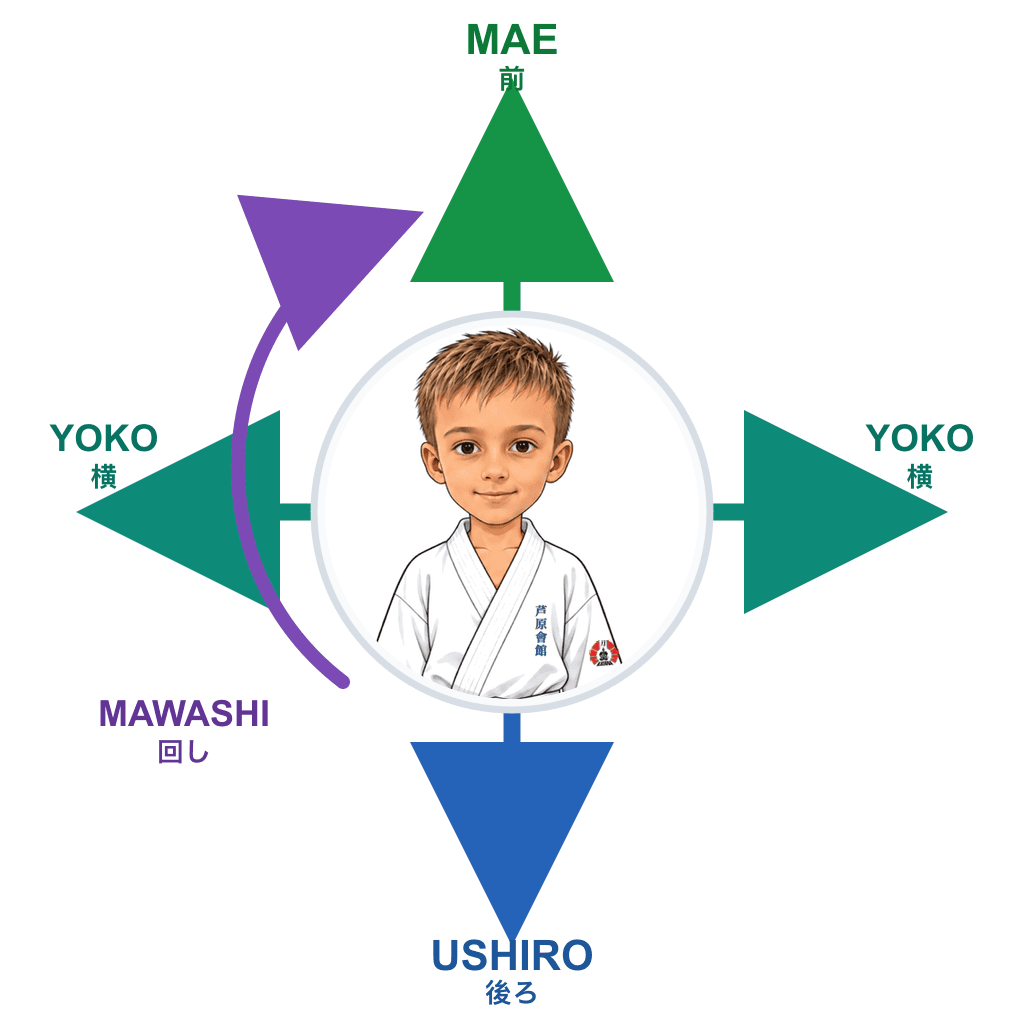
Mae
前Front / forward direction.
YokoSide / lateral direction.
Yoko
横Side / lateral direction.
UshiroBack / rear / backward direction.
Ushiro
後ろBack / rear / backward direction.
MawashiRound / circular arc trajectory.
Mawashi
回しRound / circular arc trajectory.
SeikenForefist – primary striking surface formed by the first two knuckles (index and middle fingers).
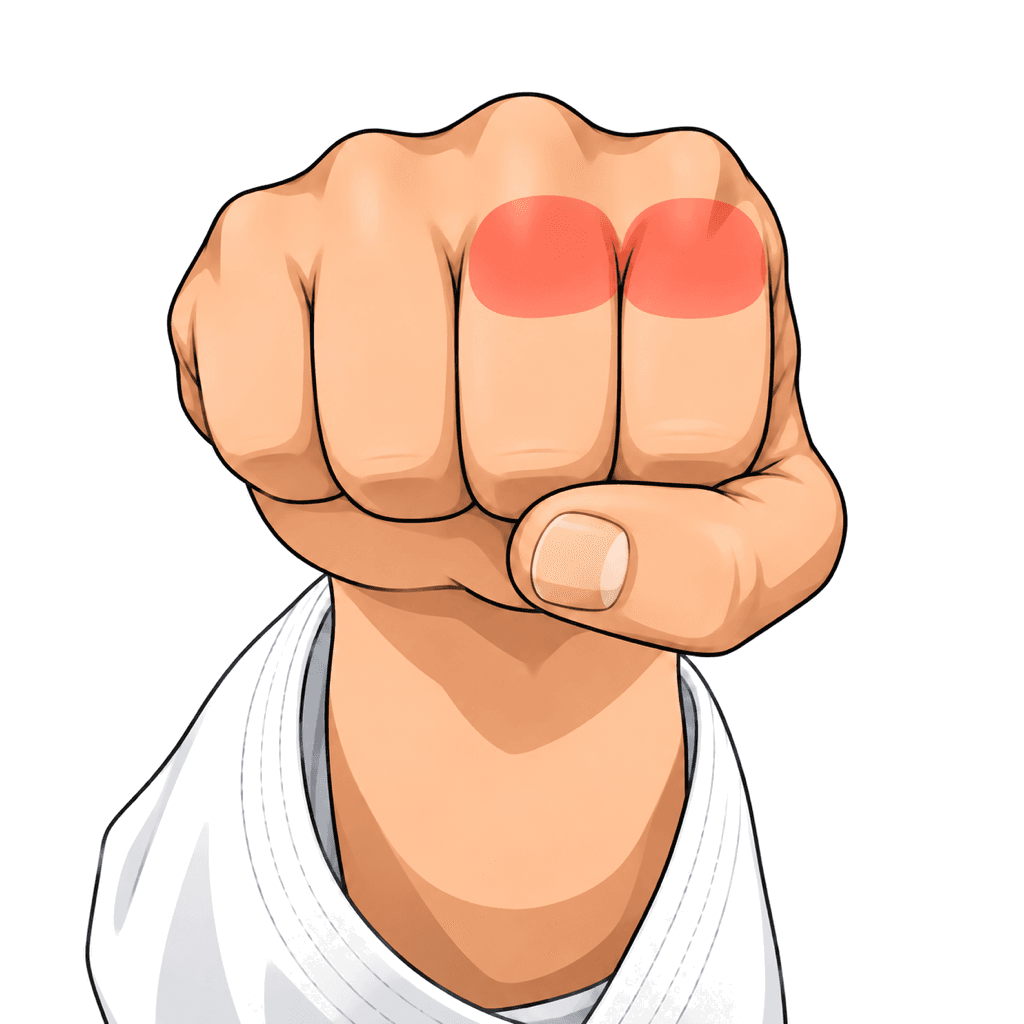
Seiken
正拳Forefist – primary striking surface formed by the first two knuckles (index and middle fingers).
UrakenBackfist – back of the fist used for snapping strikes to the head, face, or ribs.
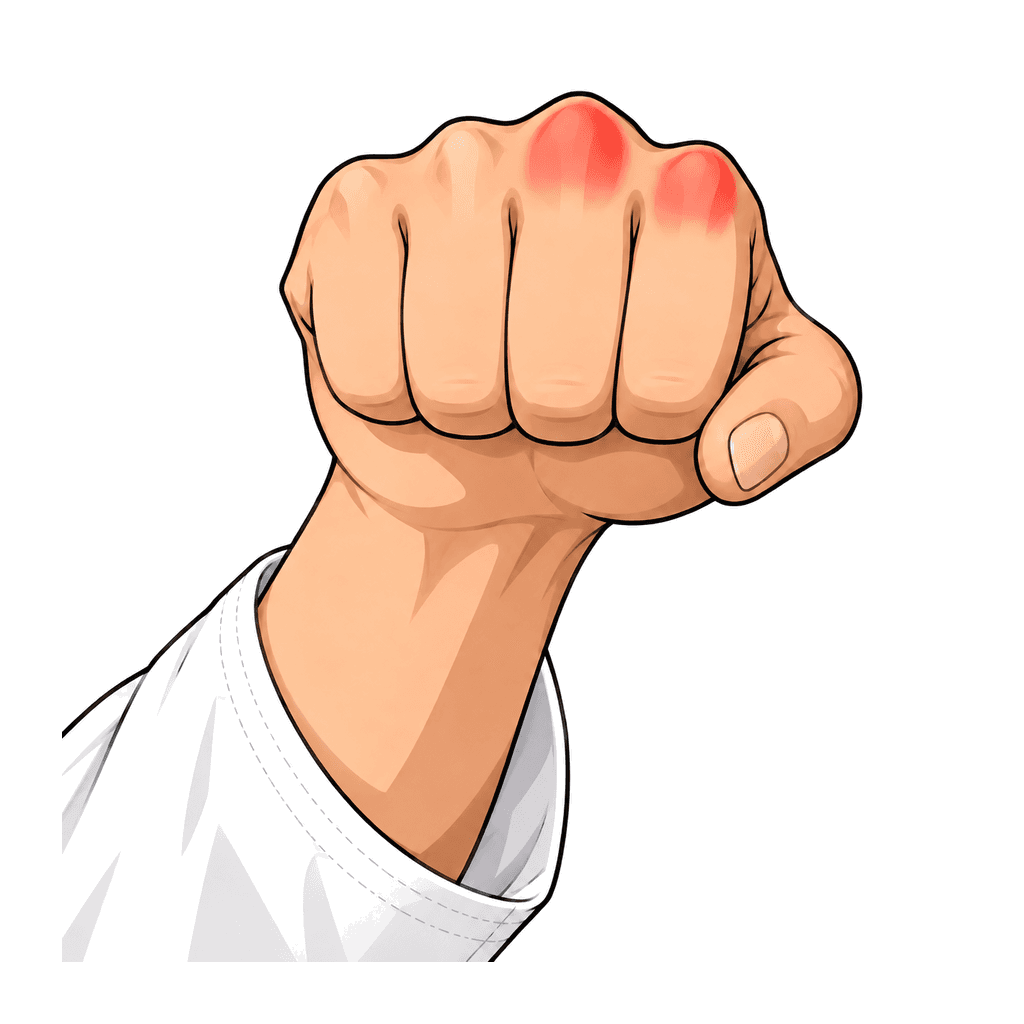
Uraken
裏拳Backfist – back of the fist used for snapping strikes to the head, face, or ribs.
Shutō"Knife-hand" – outer edge of the open tense hand used for chops and blocks.
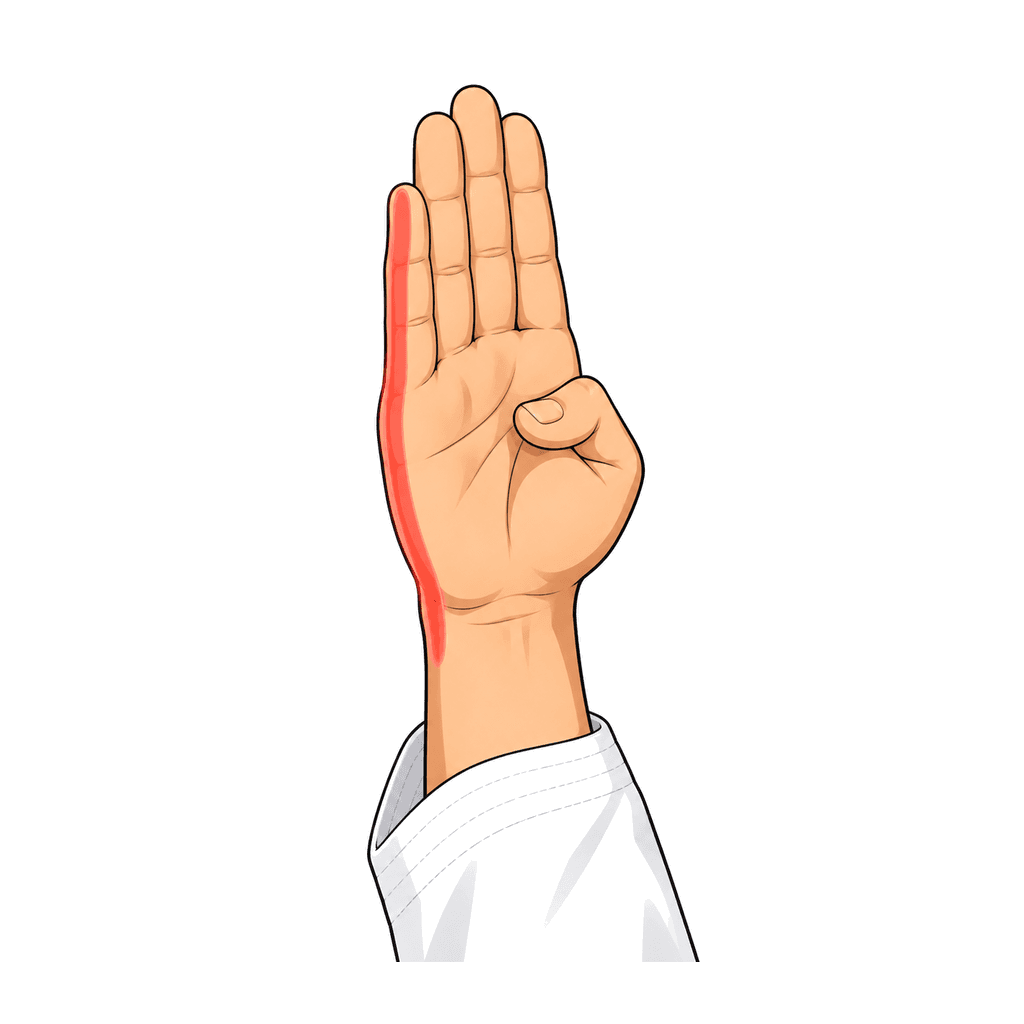
Shutō
手刀"Knife-hand" – outer edge of the open tense hand used for chops and blocks.
ShōteiPalm heel – base of the palm for powerful strikes to the chin and deflection blocks.
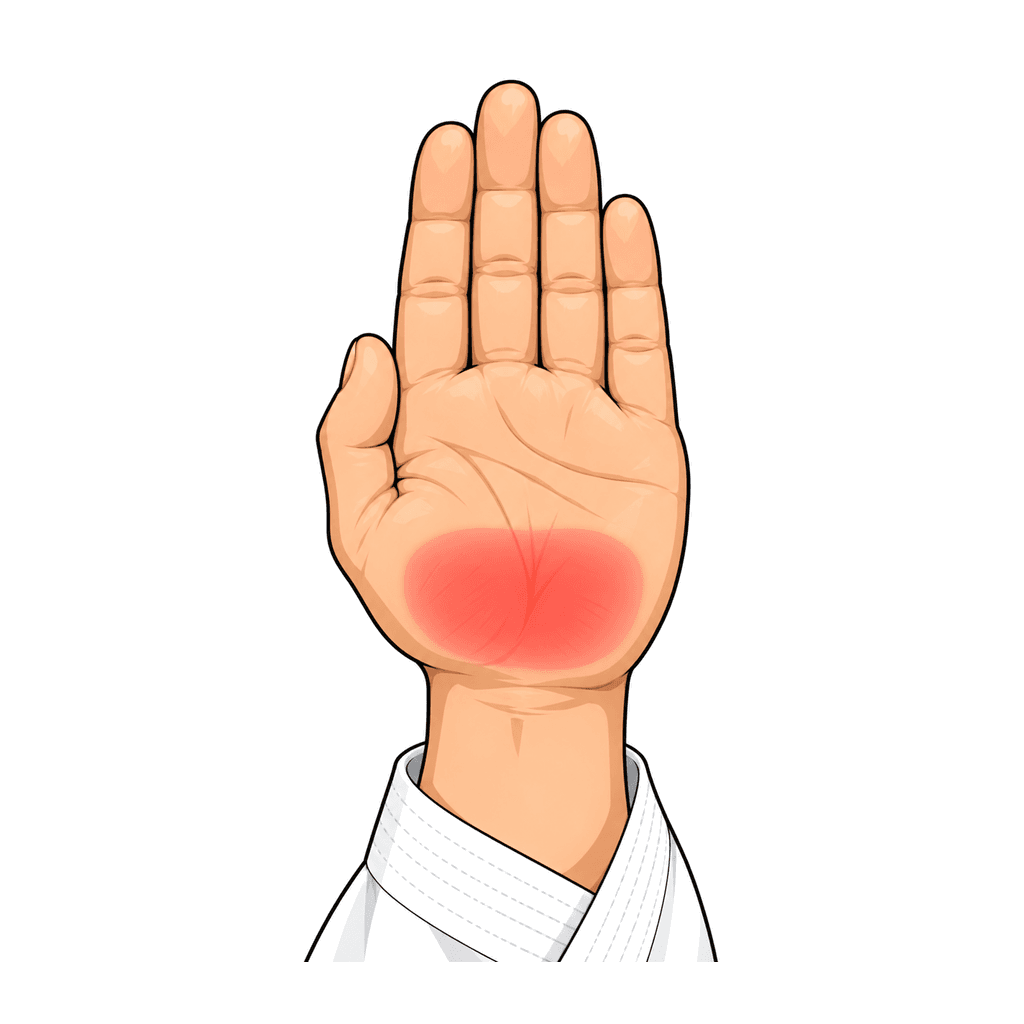
Shōtei
掌手Palm heel – base of the palm for powerful strikes to the chin and deflection blocks.
Hiji / EmpiElbow – devastating close-range weapon for circular, rising, or downward strikes.
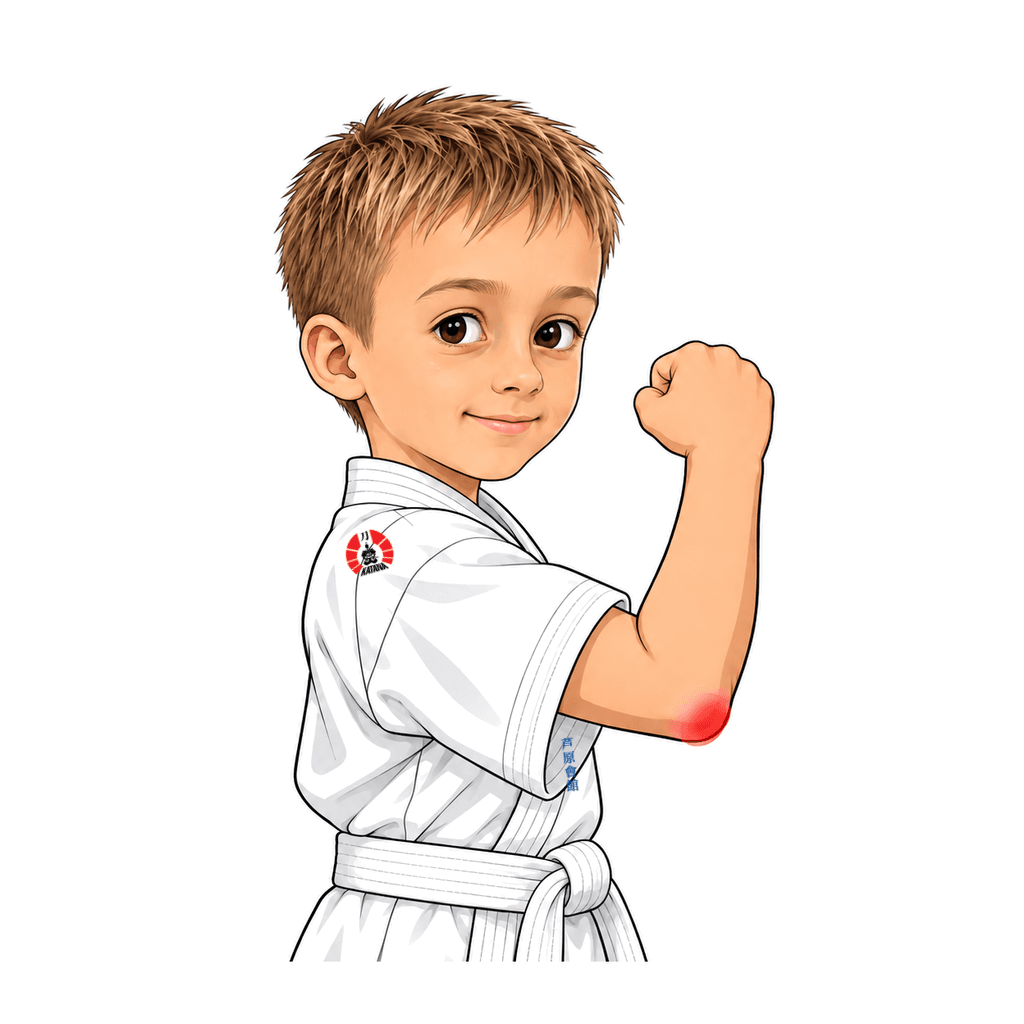
Hiji / Empi
肘Elbow – devastating close-range weapon for circular, rising, or downward strikes.
HizaKnee – heavy striking weapon for close-range strikes to ribs, thighs, and head.
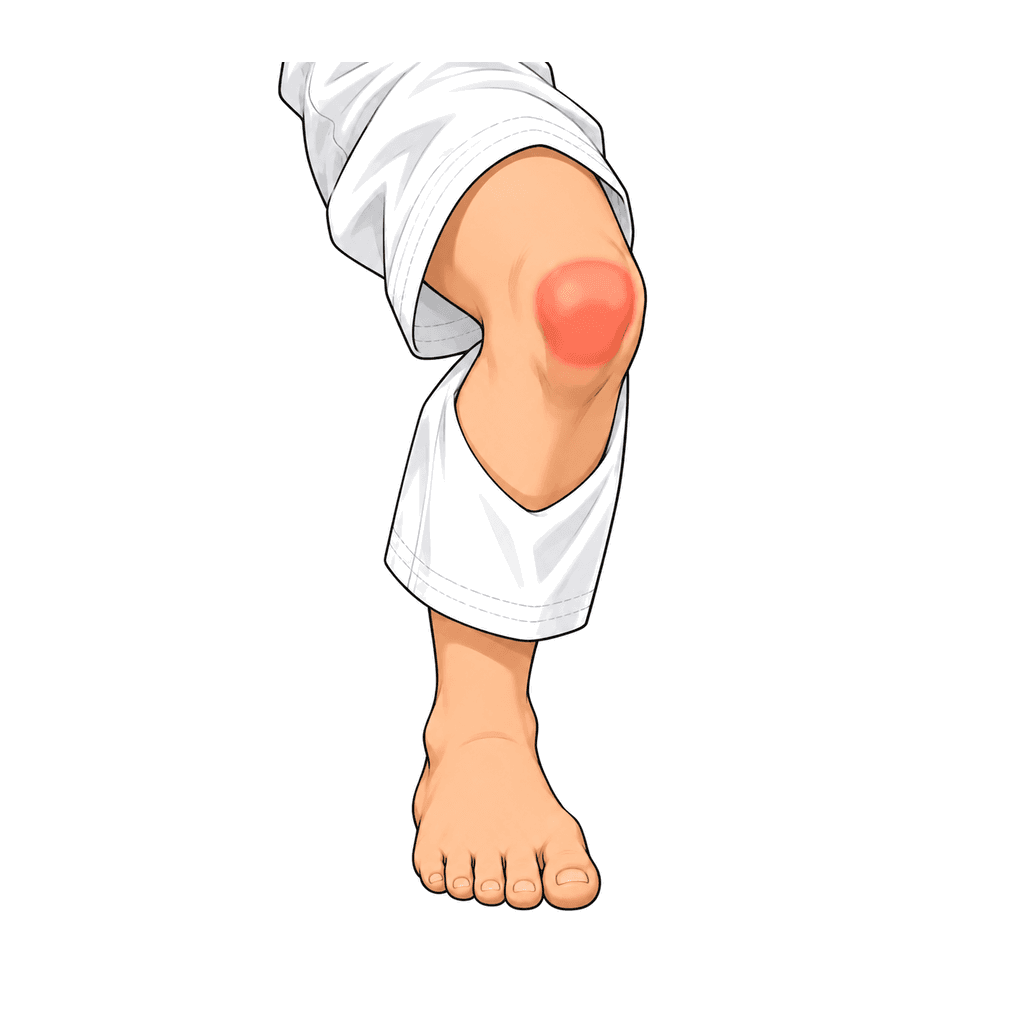
Hiza
膝Knee – heavy striking weapon for close-range strikes to ribs, thighs, and head.
ChūsokuBall of the foot – primary striking surface for front kicks (Mae geri).
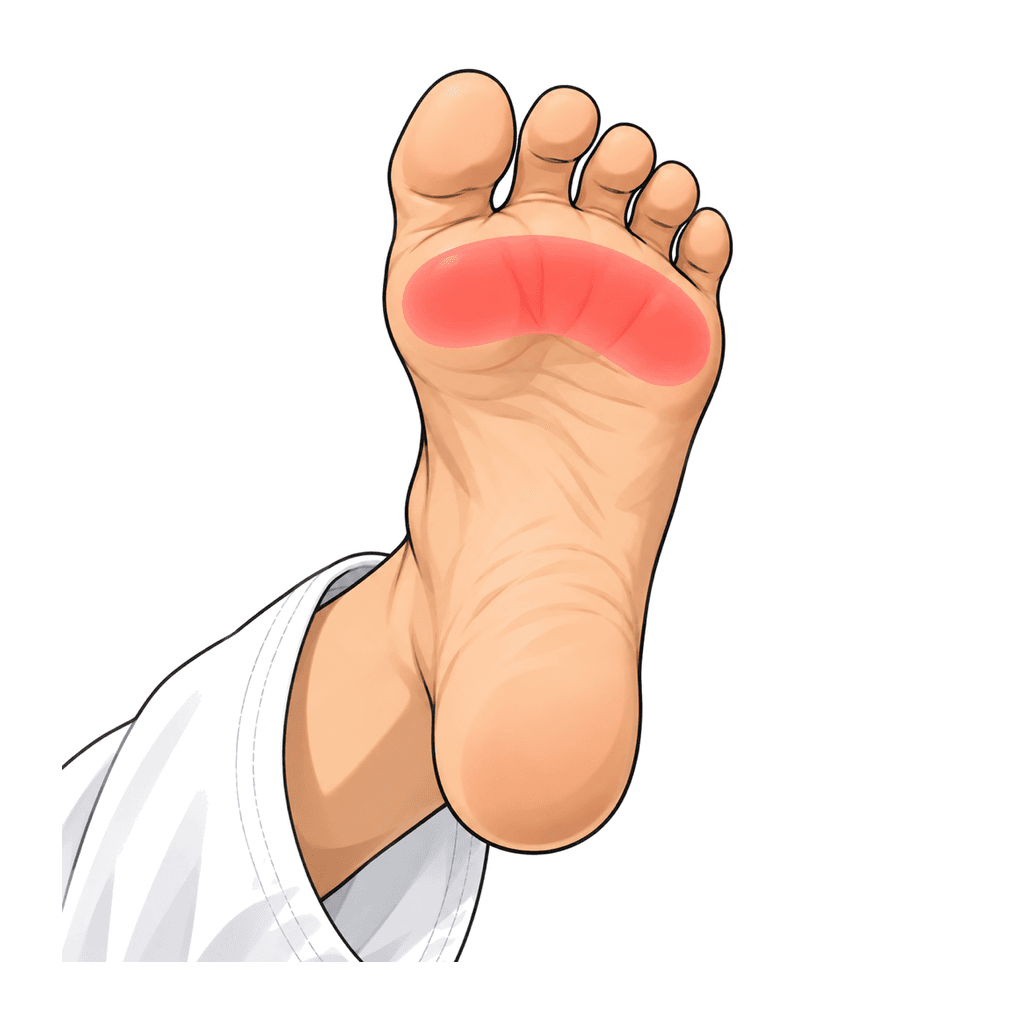
Chūsoku
中足Ball of the foot – primary striking surface for front kicks (Mae geri).
HaisokuInstep – top of the foot used for roundhouse kicks (Mawashi geri) and groin kicks.
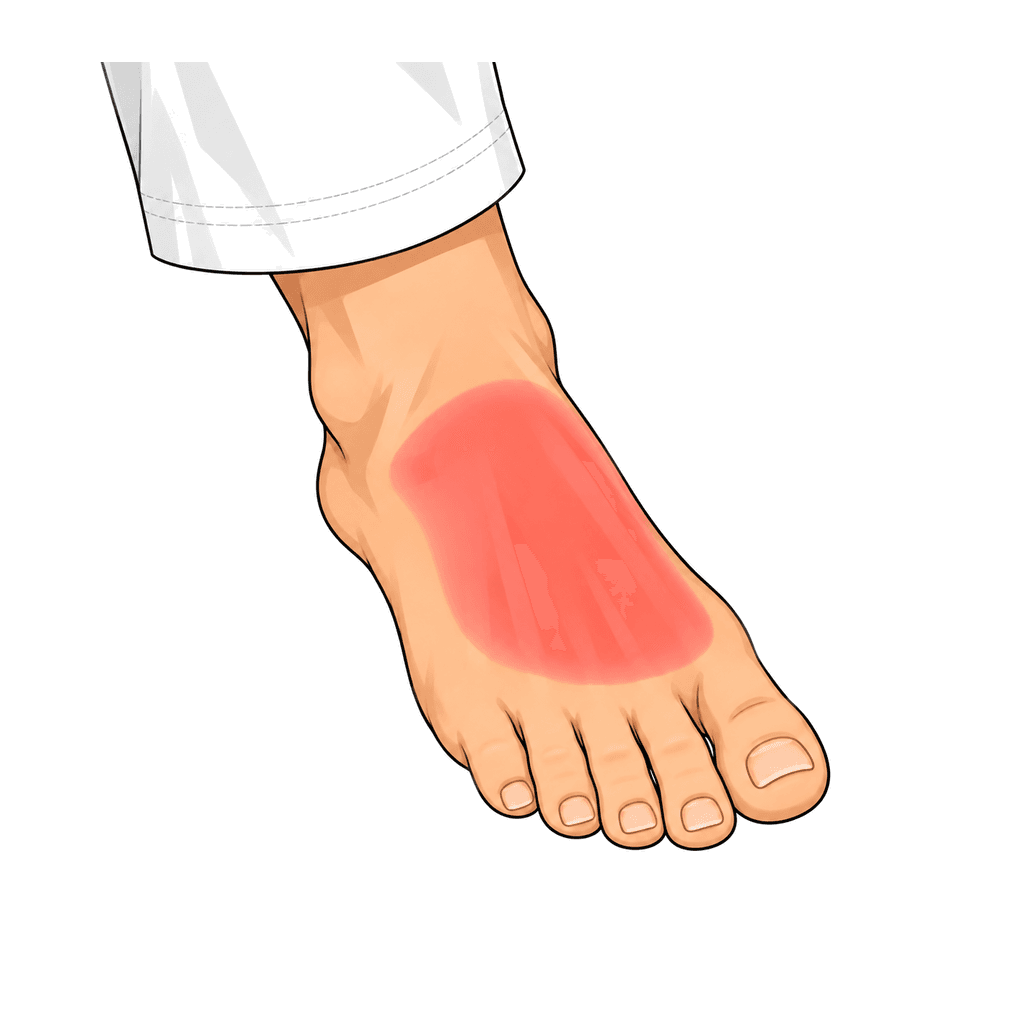
Haisoku
背足Instep – top of the foot used for roundhouse kicks (Mawashi geri) and groin kicks.
KakatoHeel – solid bone surface for axe kicks, back kicks, and stomps.
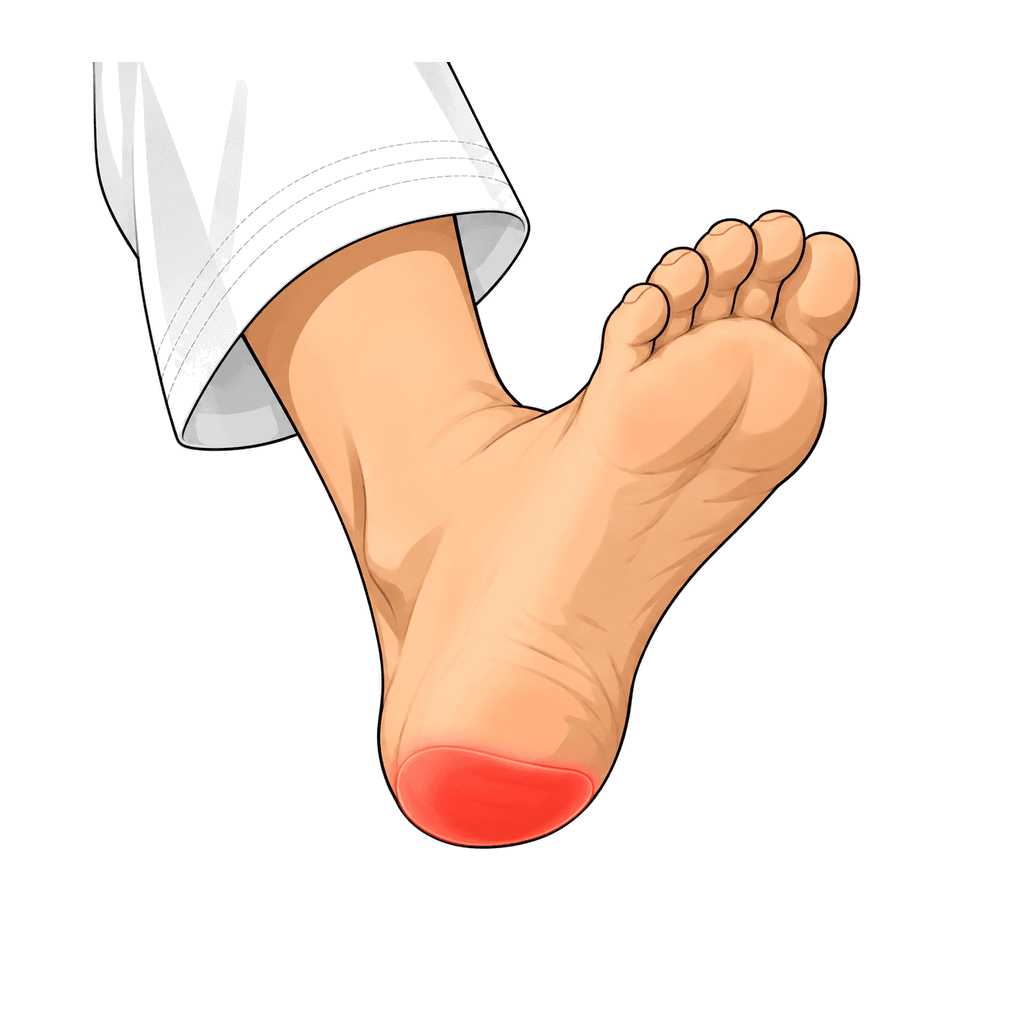
Kakato
踵Heel – solid bone surface for axe kicks, back kicks, and stomps.
SuneShin – prime striking and blocking surface for low kicks and shin checks in full-contact.
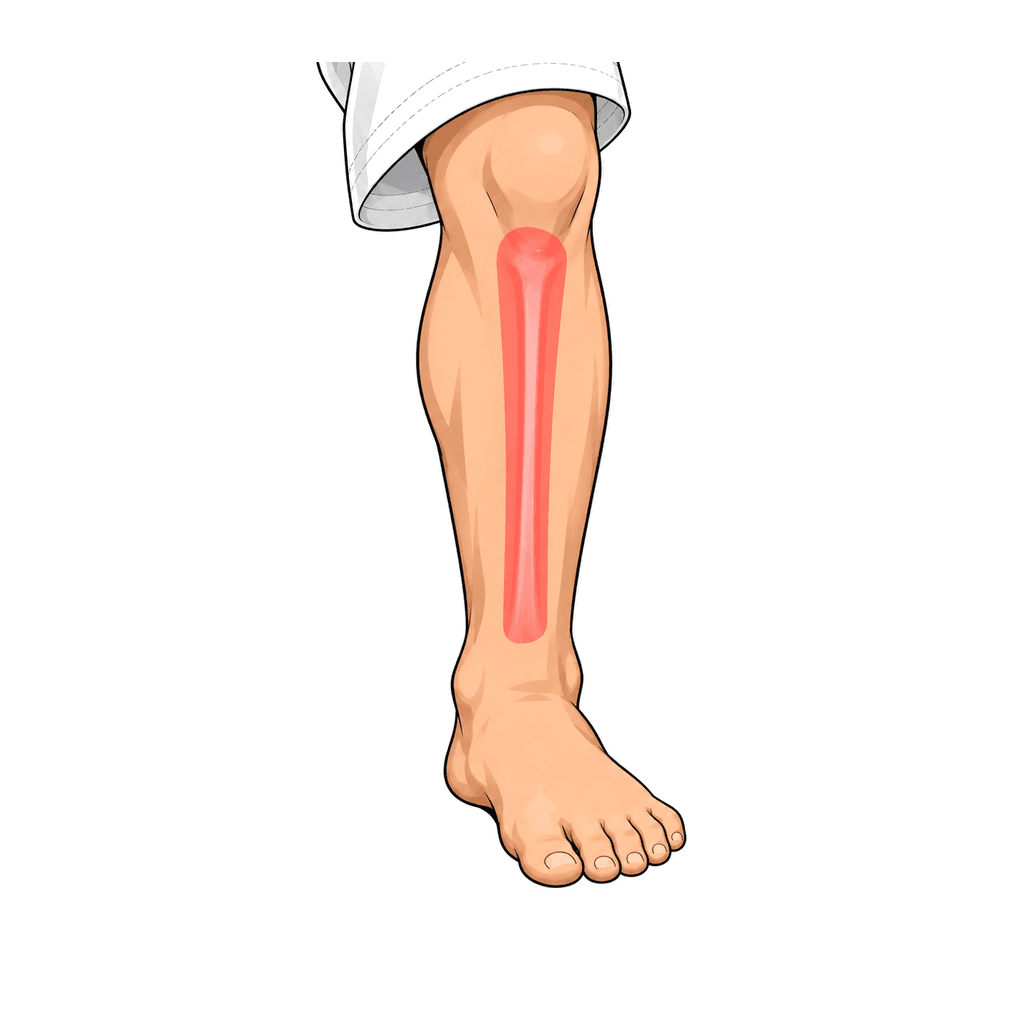
Sune
脛Shin – prime striking and blocking surface for low kicks and shin checks in full-contact.
Tsuki / ZukiDirect straight punch with forearm rotation and hip drive.
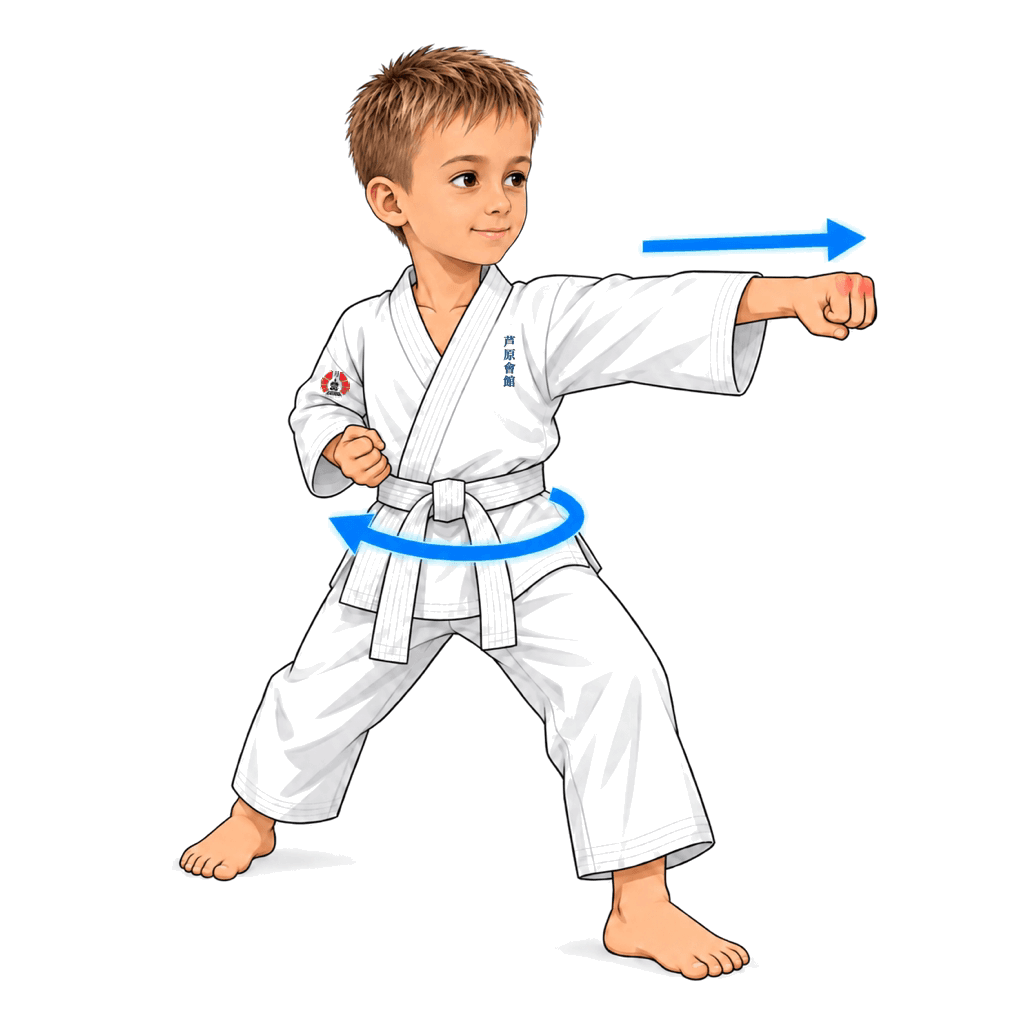
Tsuki / Zuki
突きDirect straight punch with forearm rotation and hip drive.
Oi zukiLunge punch with the lead hand corresponding to the stepping forward foot.
Oi zuki
追い突きLunge punch with the lead hand corresponding to the stepping forward foot.
Gyaku zukiReverse punch delivered with the rear hand powered by full hip rotation.
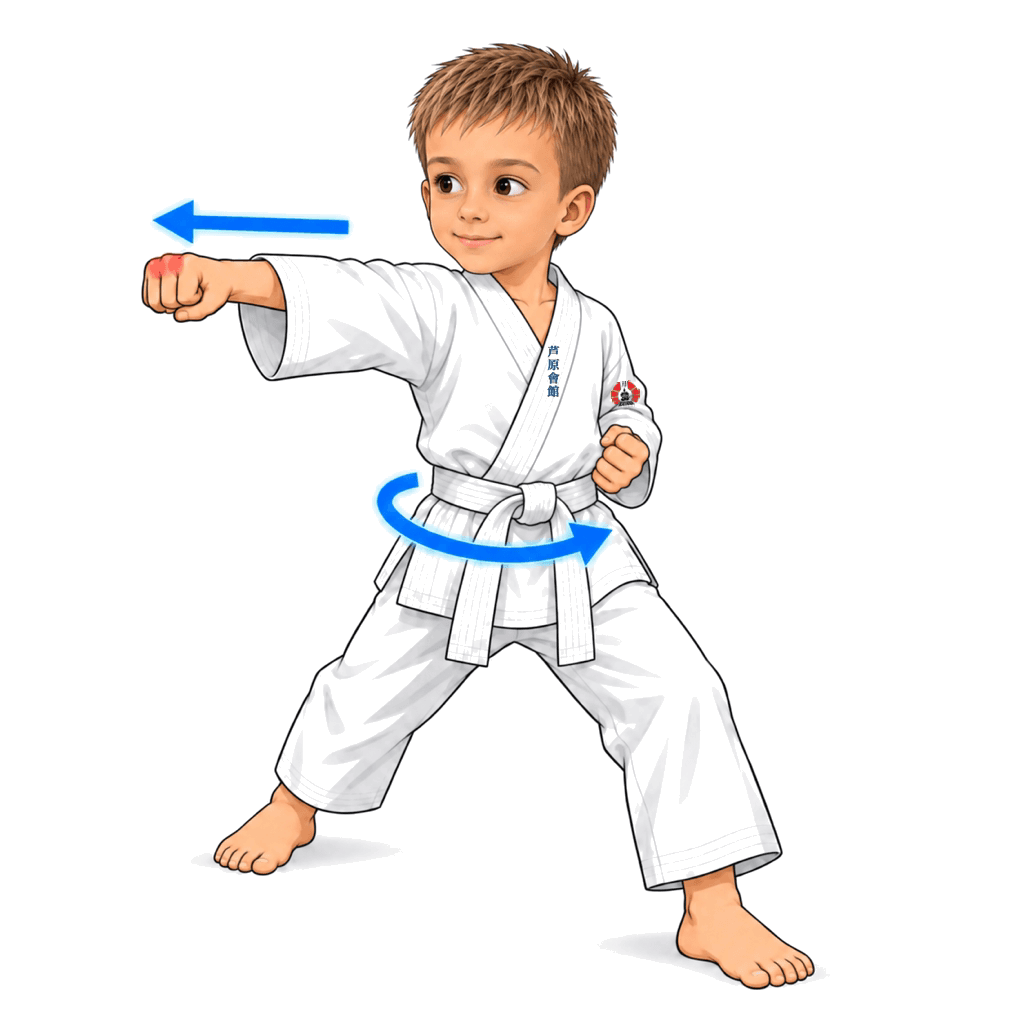
Gyaku zuki
逆突きReverse punch delivered with the rear hand powered by full hip rotation.
Jōdan ukeUpper rising block with forearm protecting the head from high attacks.
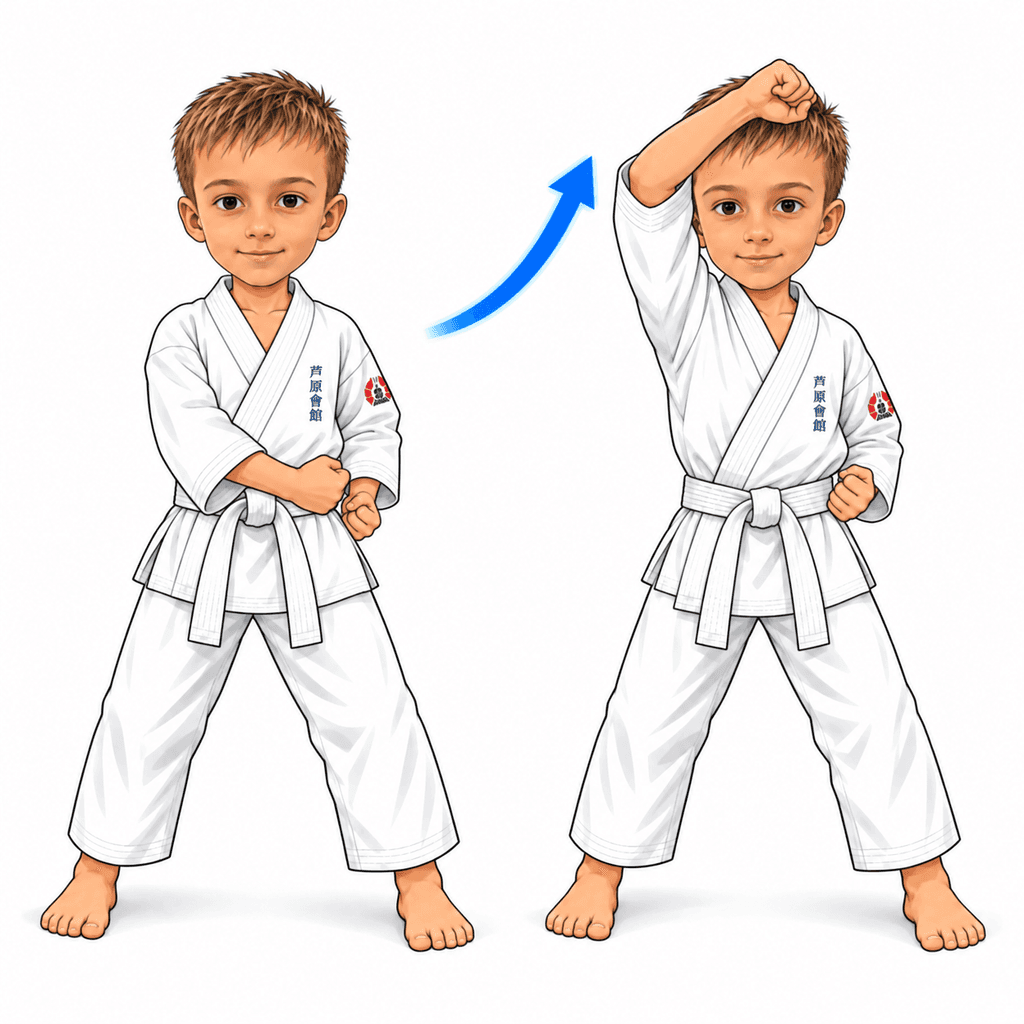
Jōdan uke
上段受けUpper rising block with forearm protecting the head from high attacks.
Open video on YouTubeGedan baraiDownward sweeping block defending the lower body and groin from kicks.
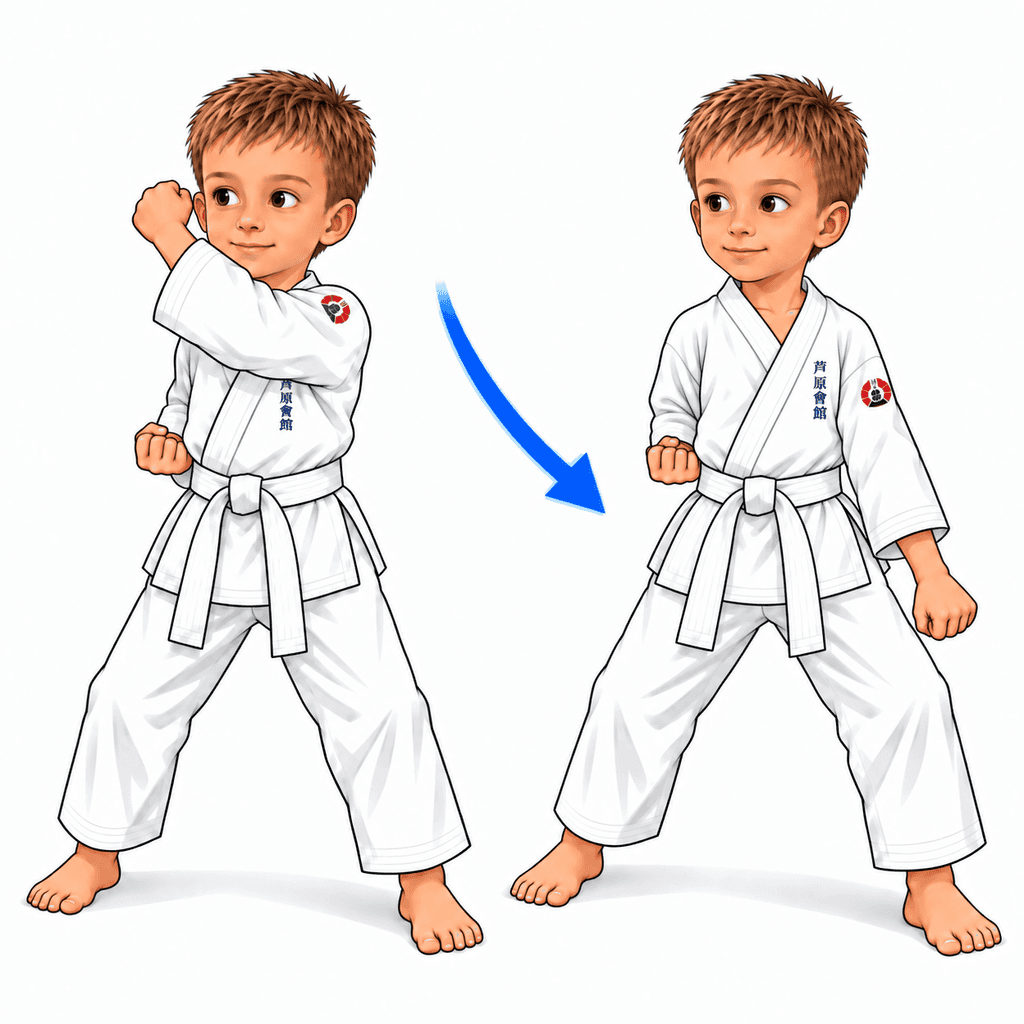
Gedan barai
下段払いDownward sweeping block defending the lower body and groin from kicks.
Open video on YouTubeSoto ukeOutside forearm block moving from outside inward to protect the midsection.
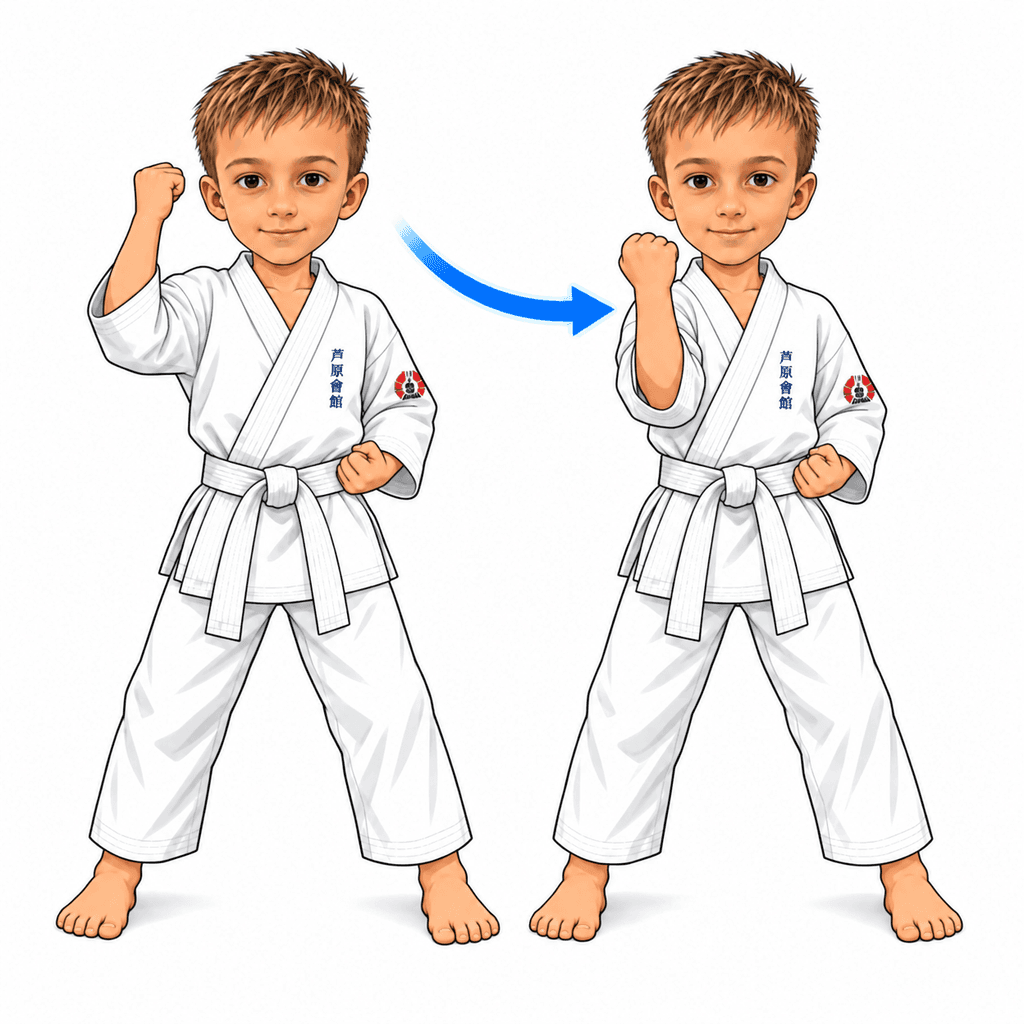
Soto uke
外受けOutside forearm block moving from outside inward to protect the midsection.
Open video on YouTubeUchi ukeInside forearm block traveling from inside outward to deflect straight attacks.
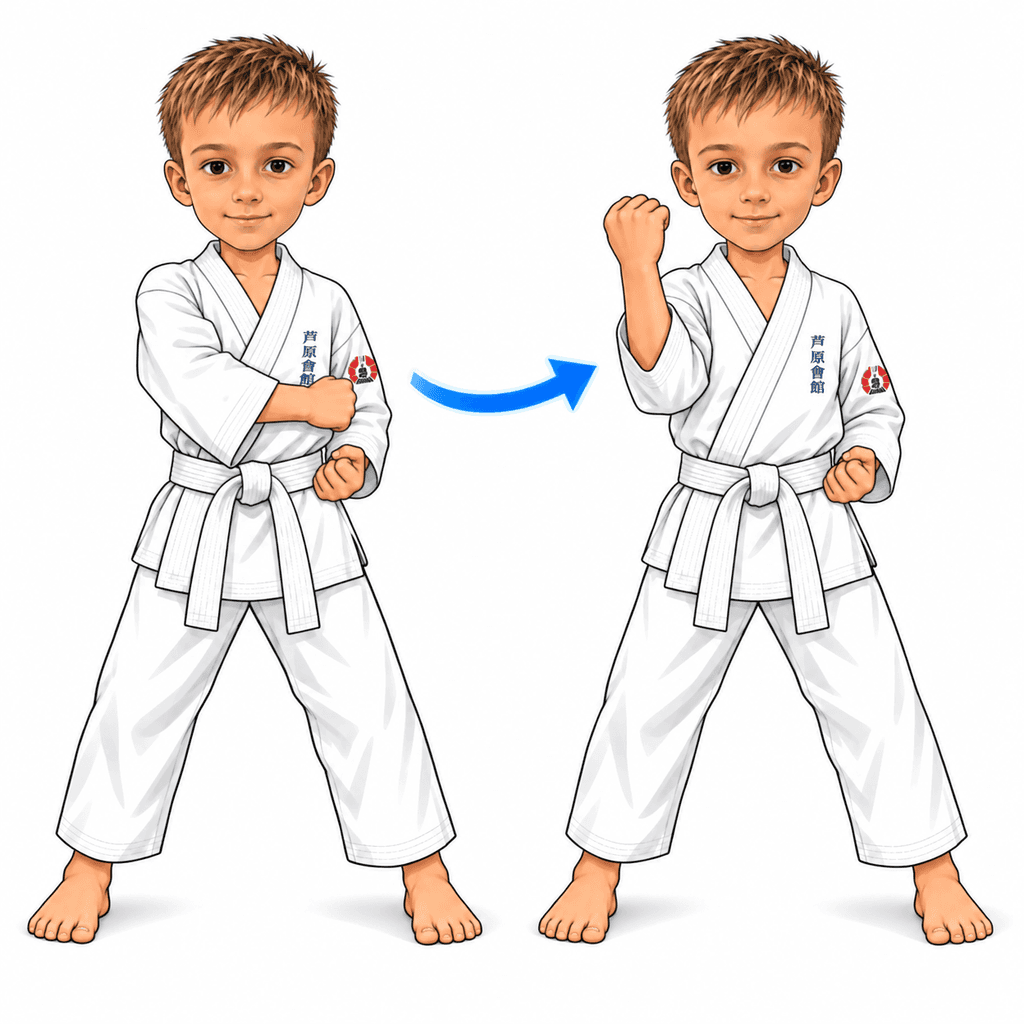
Uchi uke
内受けInside forearm block traveling from inside outward to deflect straight attacks.
Open video on YouTubeMaki komiWinding takedown utilizing body pivot and leverage to roll the opponent over.
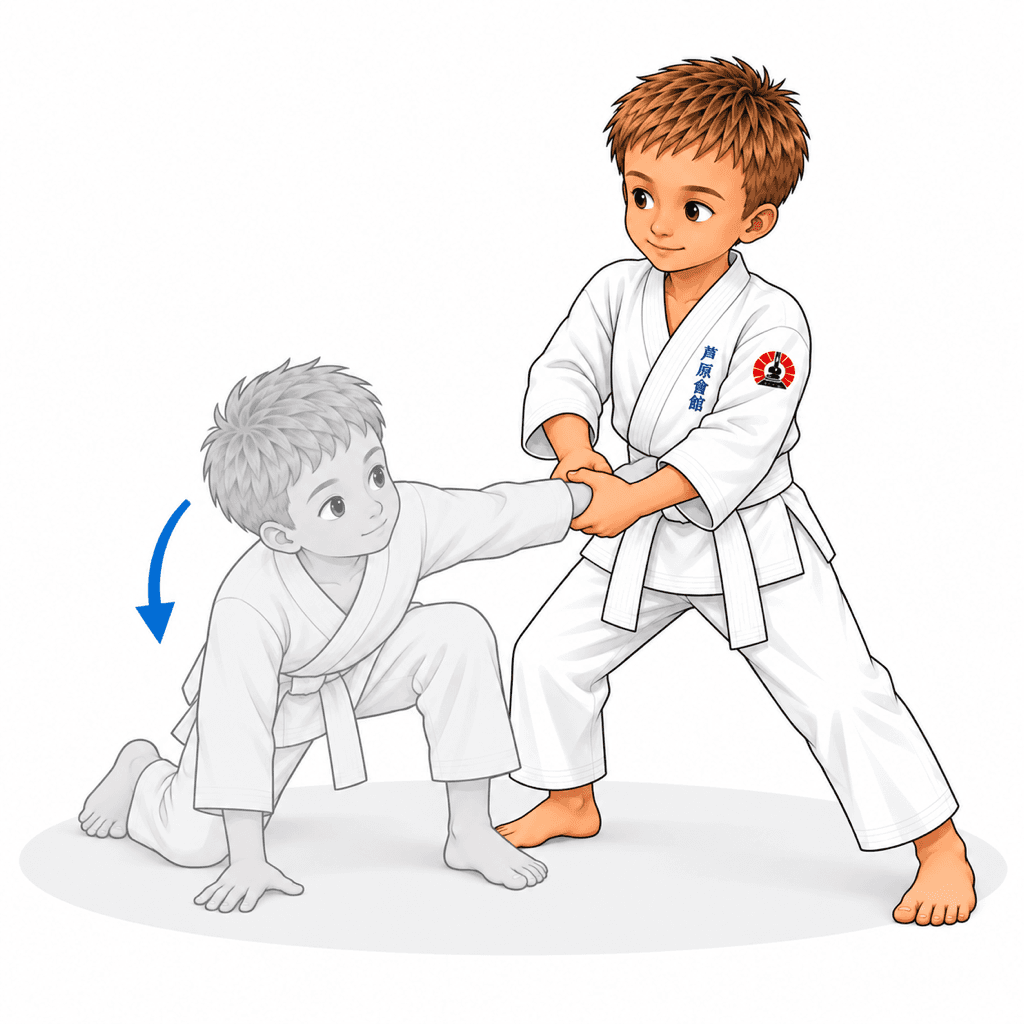
Maki komi
巻き込みWinding takedown utilizing body pivot and leverage to roll the opponent over.
Geri / KeriKick – general term for all leg and kicking techniques.
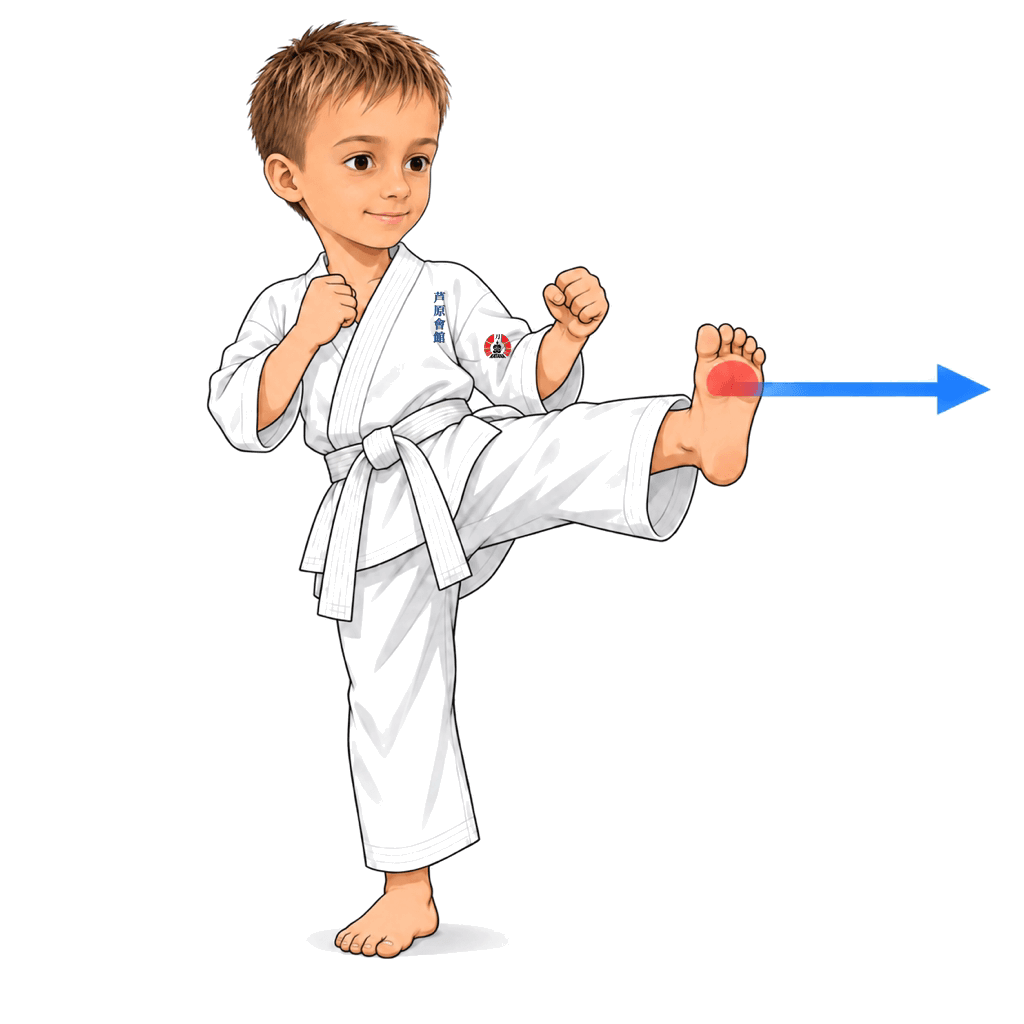
Geri / Keri
蹴りKick – general term for all leg and kicking techniques.
Mae geriFront kick thrust or snap delivered with the ball of the foot (Chusoku) or heel.
Mae geri
前蹴りFront kick thrust or snap delivered with the ball of the foot (Chusoku) or heel.
Open video on YouTubeMawashi geriRoundhouse kick with the instep or shin targeting the thigh (low), ribs (mid), or head (high).
Mawashi geri
回し蹴りRoundhouse kick with the instep or shin targeting the thigh (low), ribs (mid), or head (high).
Open video on YouTubeYoko geriSide kick delivered laterally with the foot blade (Sokuto) or heel.
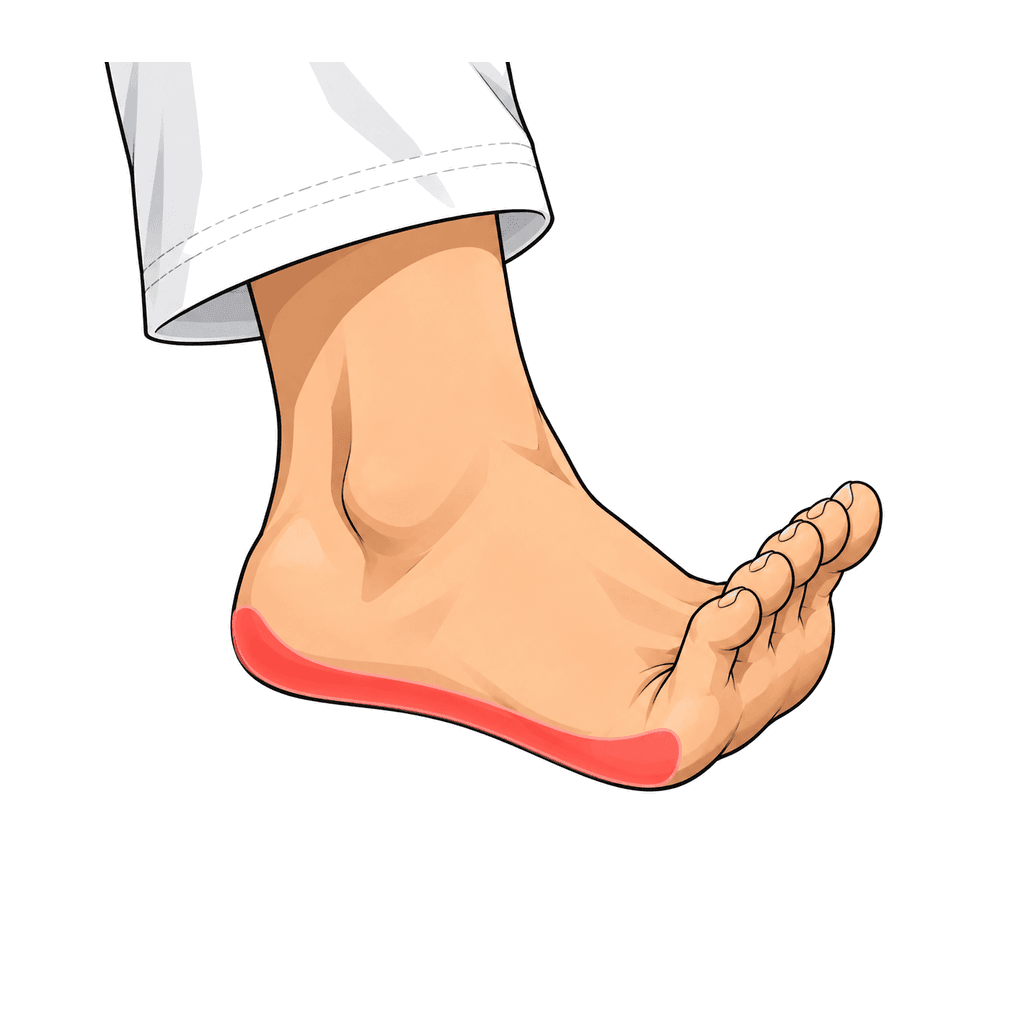
Yoko geri
横蹴りSide kick delivered laterally with the foot blade (Sokuto) or heel.
Open video on YouTubeUshiro geriBack kick thrusting the heel straight backward with eyes looking over the shoulder.
Ushiro geri
後ろ蹴りBack kick thrusting the heel straight backward with eyes looking over the shoulder.
Open video on YouTubeHiza geriKnee kick strike at close range, often combined with a collar/head pull-down.
Hiza geri
膝蹴りKnee kick strike at close range, often combined with a collar/head pull-down.
Open video on YouTubeKakato geriAxe kick – downward heel chop dropping onto the opponent's head or collarbone.
Kakato geri
踵蹴りAxe kick – downward heel chop dropping onto the opponent's head or collarbone.
SeizaFormal kneeling posture on the shins and heels with straight spine during dojo ceremonies.
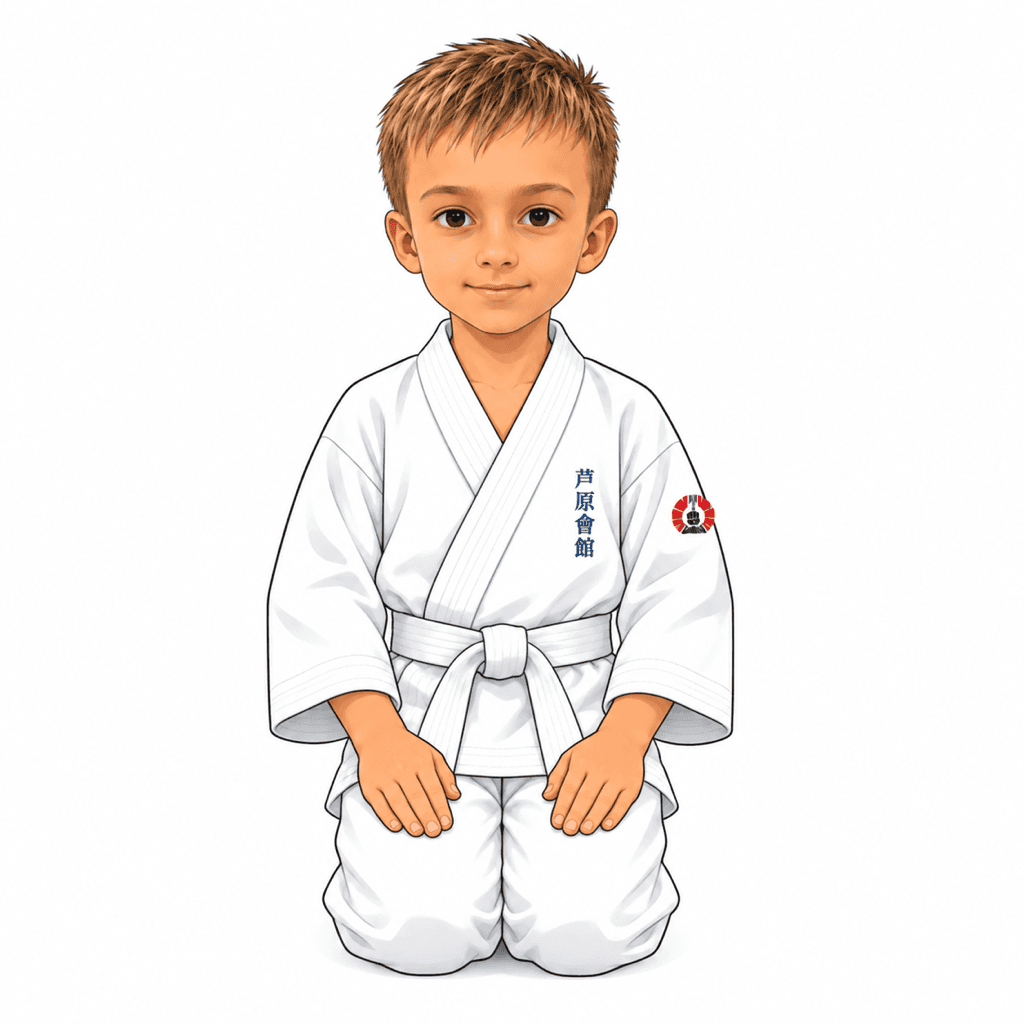
Seiza
正座Formal kneeling posture on the shins and heels with straight spine during dojo ceremonies.
Shōmen ni reiCommand to bow to the front of the dojo (shomen / altar / founders).
Shōmen ni rei
正面に礼Command to bow to the front of the dojo (shomen / altar / founders).
Sensei ni reiCommand to bow to the instructor / teacher with the greeting Osu.
Sensei ni rei
先生に礼Command to bow to the instructor / teacher with the greeting Osu.
YōiCommand "Get ready!" – transition into attentive preparation state.
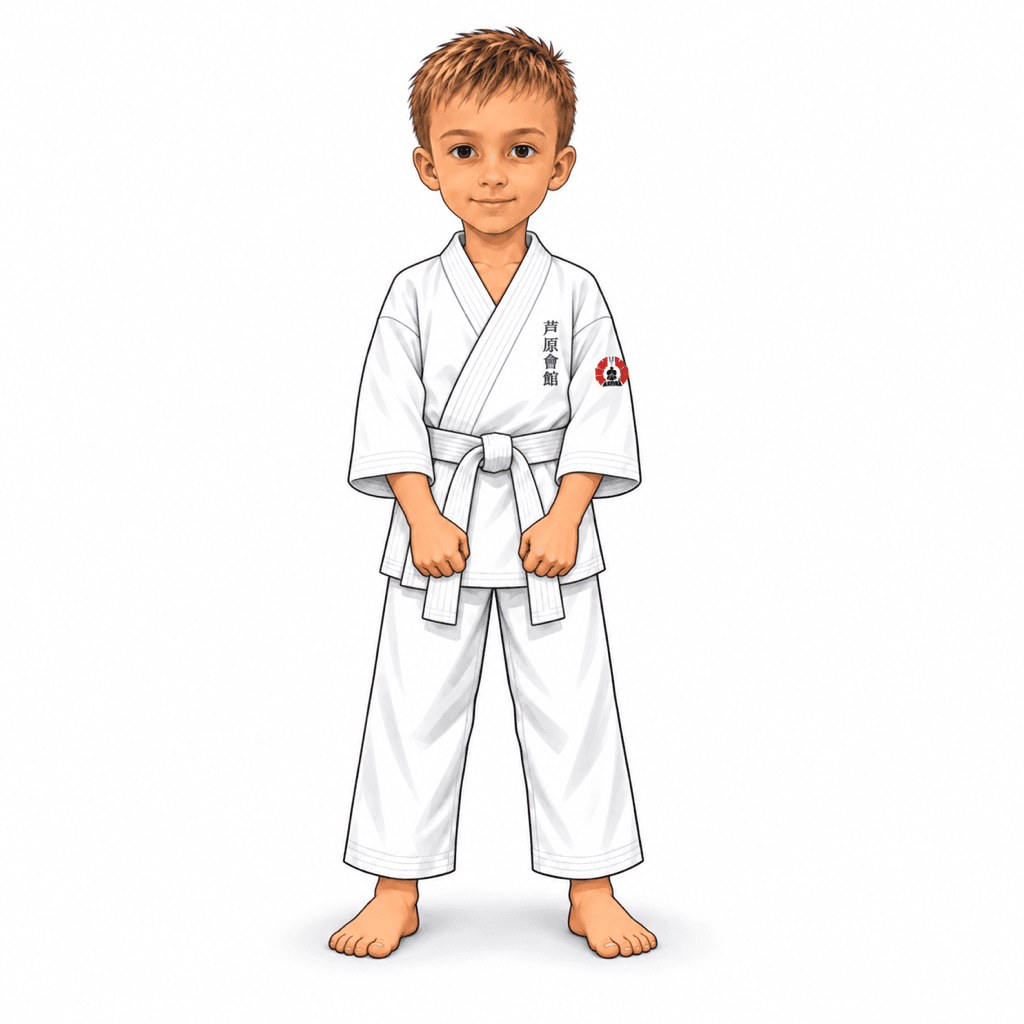
Yōi
用意Command "Get ready!" – transition into attentive preparation state.
HajimeCommand "Begin!" / "Start!" the exercise or bout.
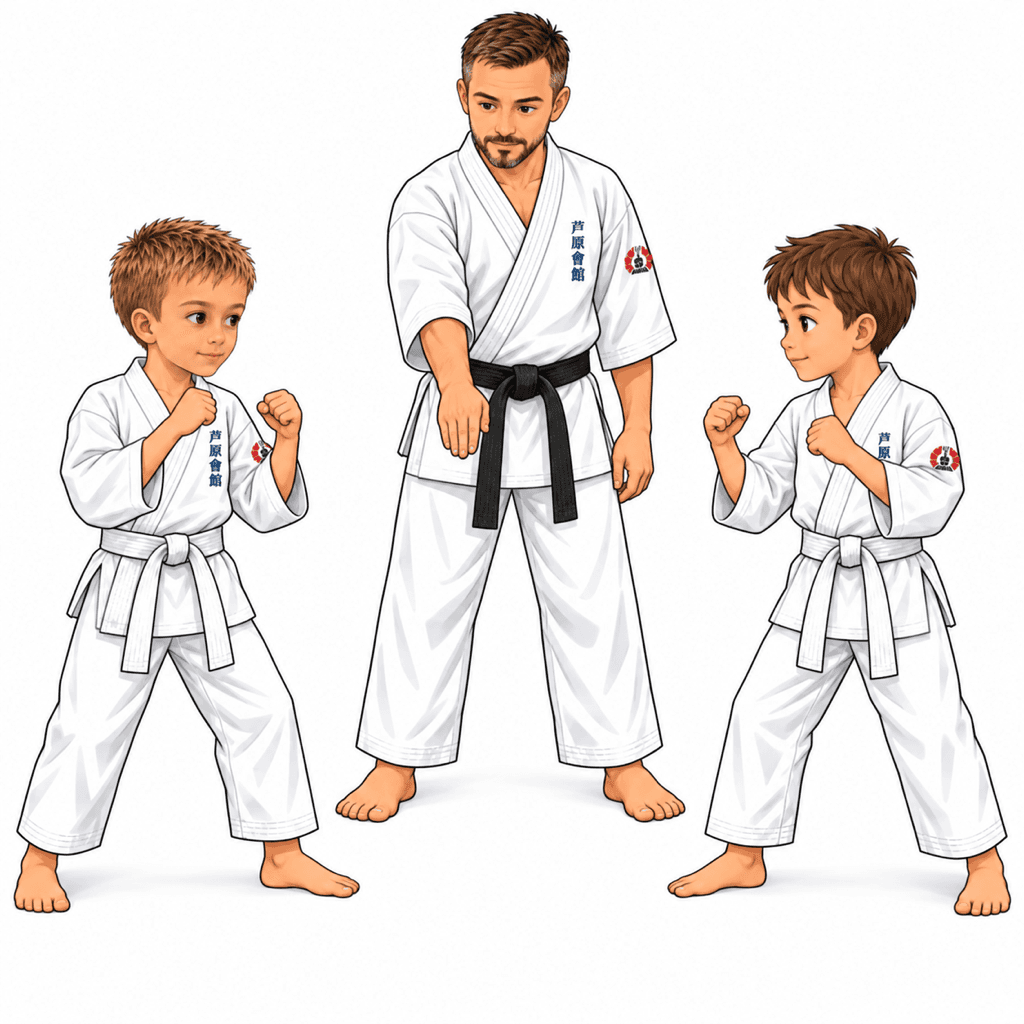
Hajime
始めCommand "Begin!" / "Start!" the exercise or bout.
YameCommand "Stop!" / "Finish!" – halt all action immediately while maintaining awareness.
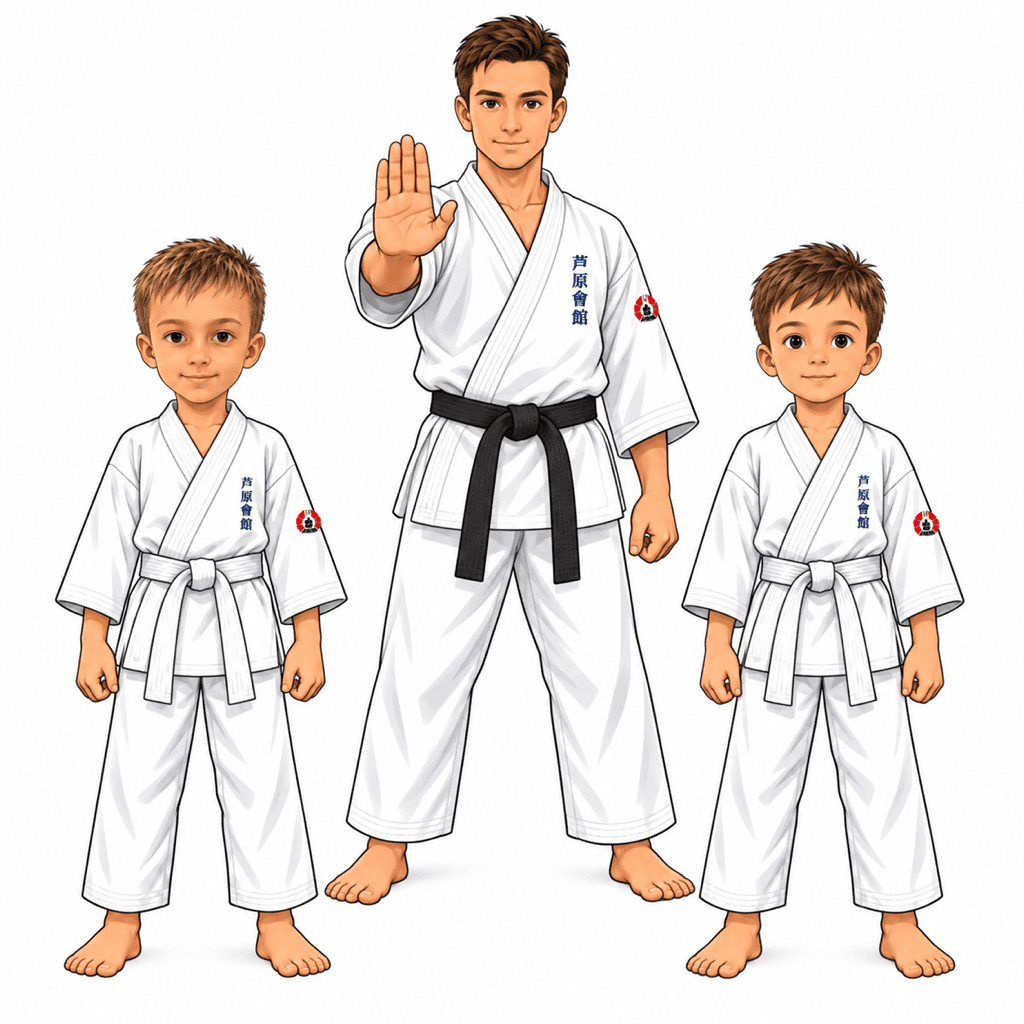
Yame
止めCommand "Stop!" / "Finish!" – halt all action immediately while maintaining awareness.
KiaiMartial shout channeling breath, spirit, and explosive power from the abdomen at impact.
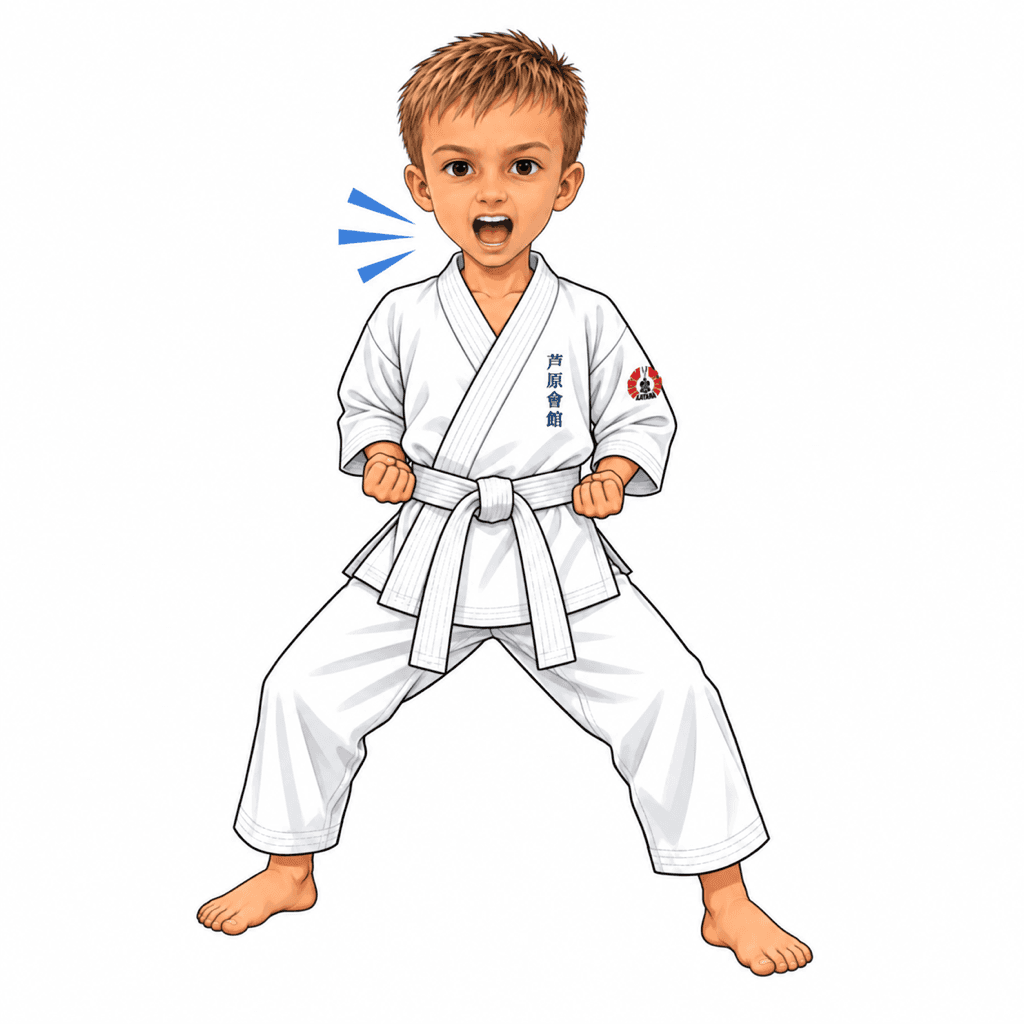
Kiai
気合Martial shout channeling breath, spirit, and explosive power from the abdomen at impact.
NaoteCommand to return to the neutral ready stance (Fudo dachi).
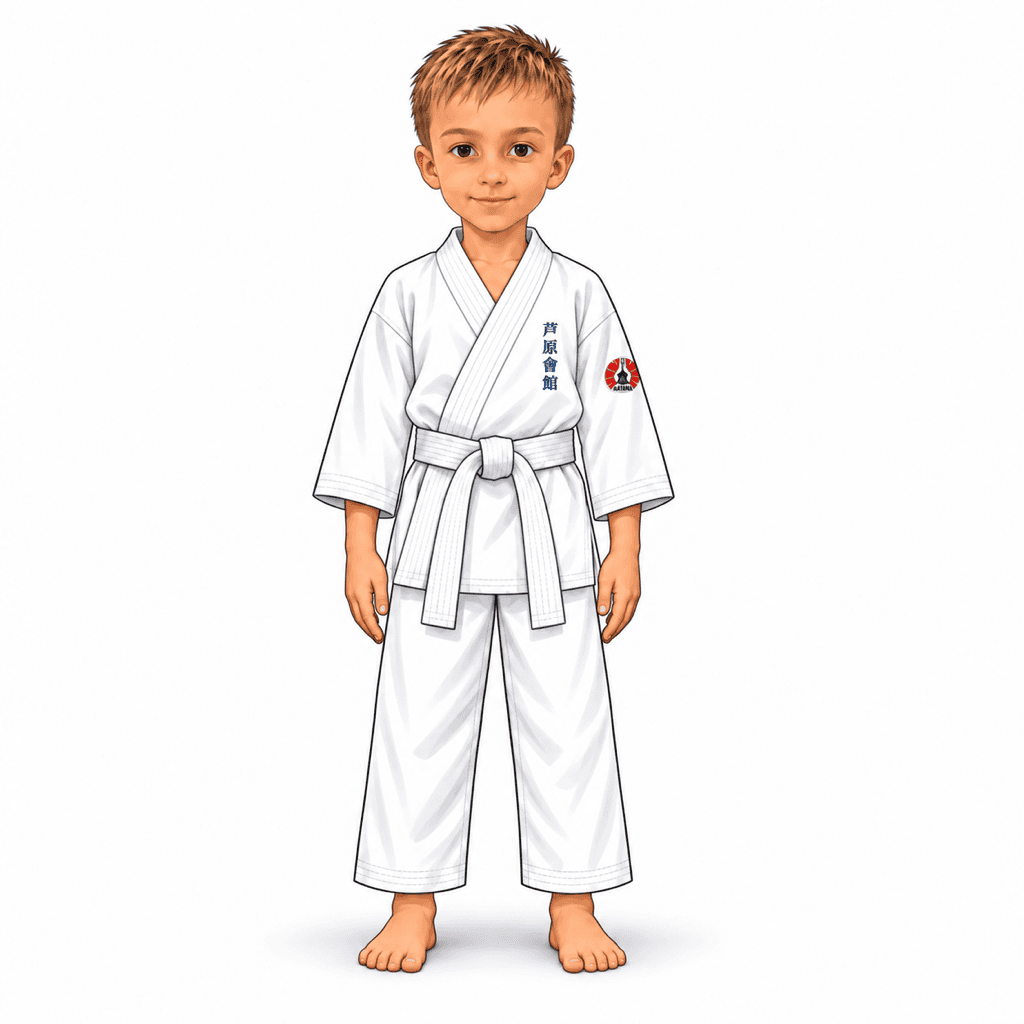
Naote
直ってCommand to return to the neutral ready stance (Fudo dachi).
Open video on YouTubeIchiNumber 1 (One) – first count in drills.
Ichi
一Number 1 (One) – first count in drills.
NiNumber 2 (Two) – second count.
Ni
二Number 2 (Two) – second count.
SanNumber 3 (Three) – third count.
San
三Number 3 (Three) – third count.
Shi / YonNumber 4 (Four) – fourth count.
Shi / Yon
四Number 4 (Four) – fourth count.
GoNumber 5 (Five) – fifth count.
Go
五Number 5 (Five) – fifth count.
RokuNumber 6 (Six) – sixth count.
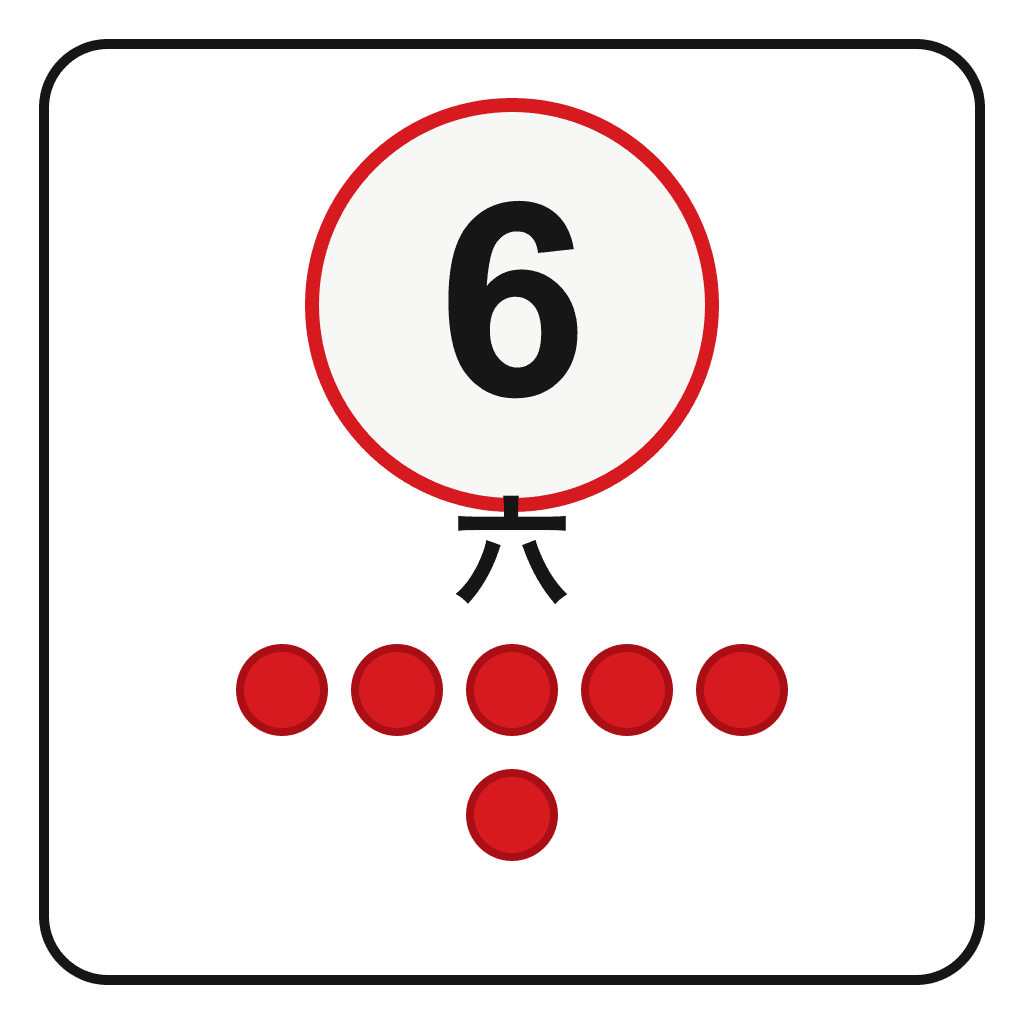
Roku
六Number 6 (Six) – sixth count.
Shichi / NanaNumber 7 (Seven) – seventh count.
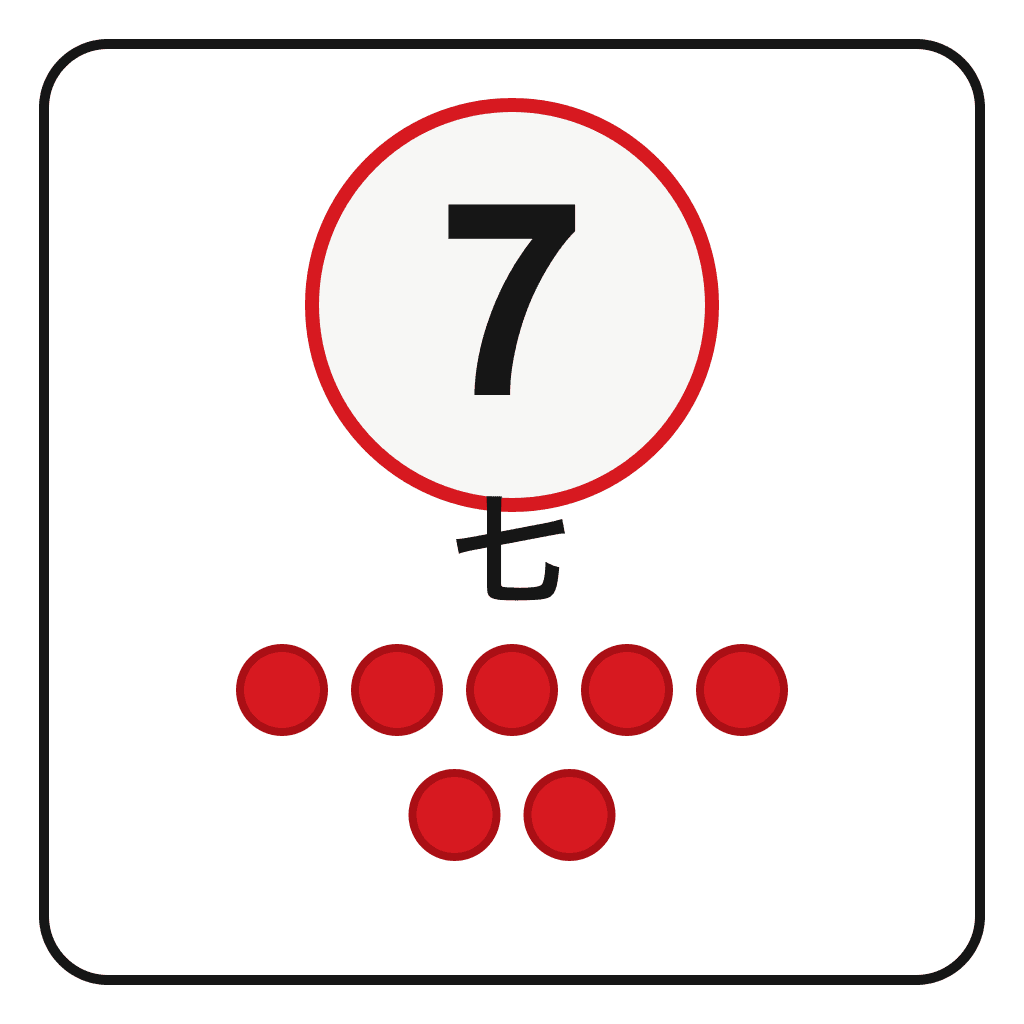
Shichi / Nana
七Number 7 (Seven) – seventh count.
HachiNumber 8 (Eight) – eighth count.
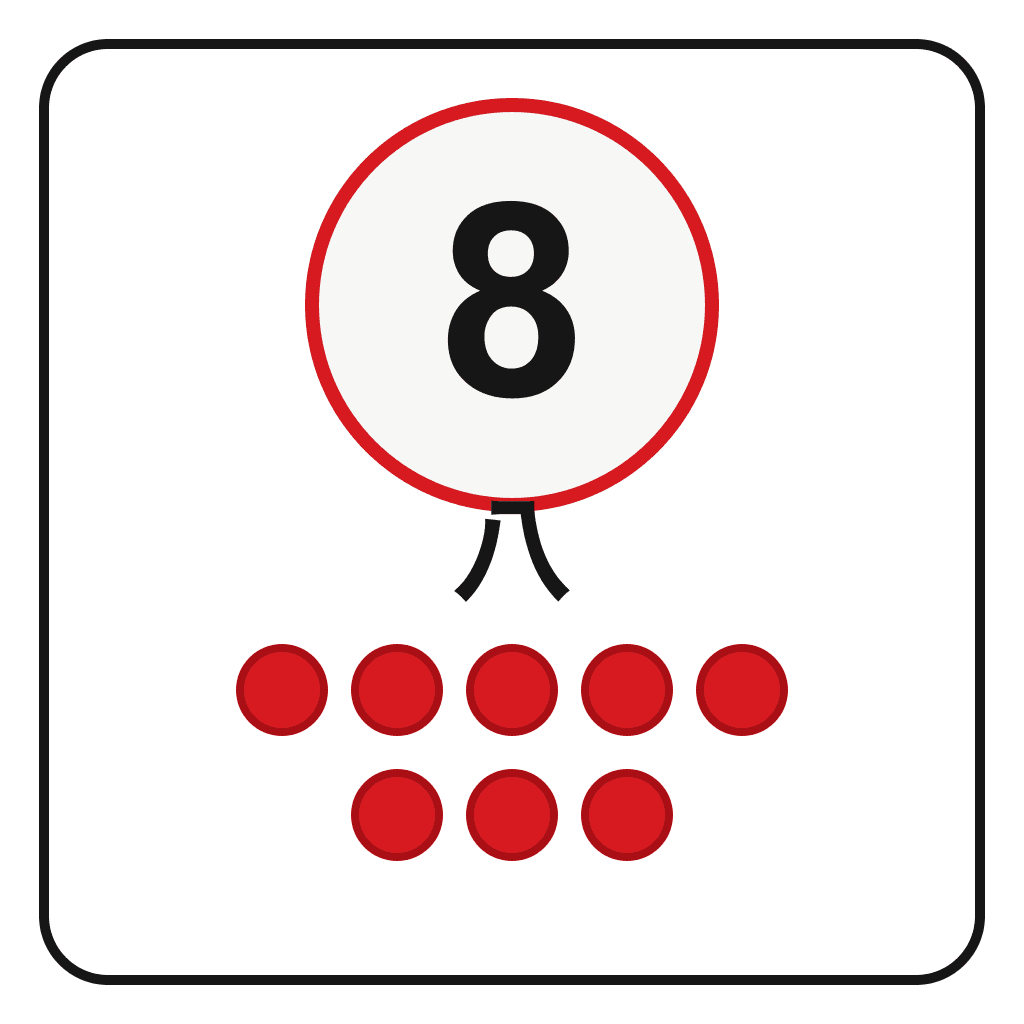
Hachi
八Number 8 (Eight) – eighth count.
Ku / KyūNumber 9 (Nine) – ninth count.
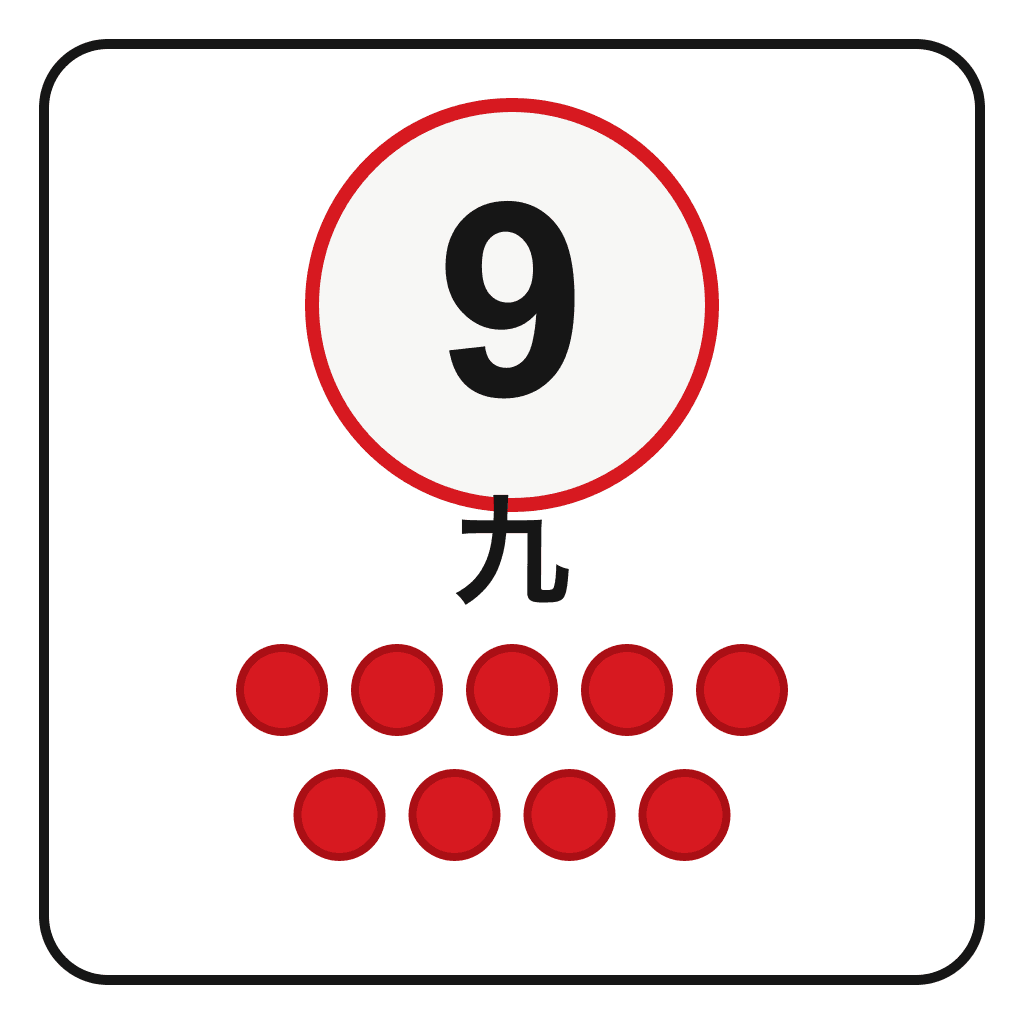
Ku / Kyū
九Number 9 (Nine) – ninth count.
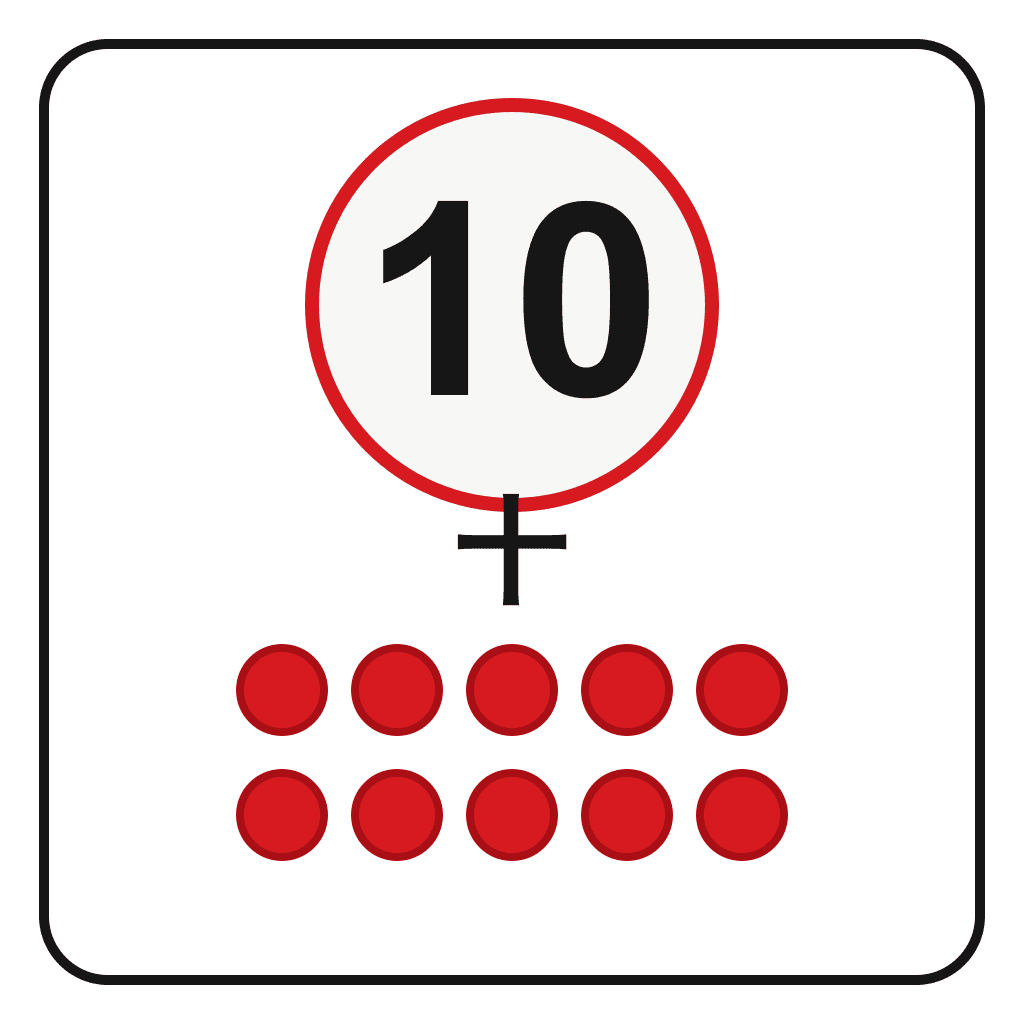
JūNumber 10 (Ten) – tenth count (often accompanied by Kiai).
Jū
十Number 10 (Ten) – tenth count (often accompanied by Kiai).
Nage-wazaThrowing and takedown techniques in Ashihara karate that follow off-balancing (Kuzushi) from the blind spot (Shikaku).
Nage-waza
投げ技Throwing and takedown techniques in Ashihara karate that follow off-balancing (Kuzushi) from the blind spot (Shikaku).
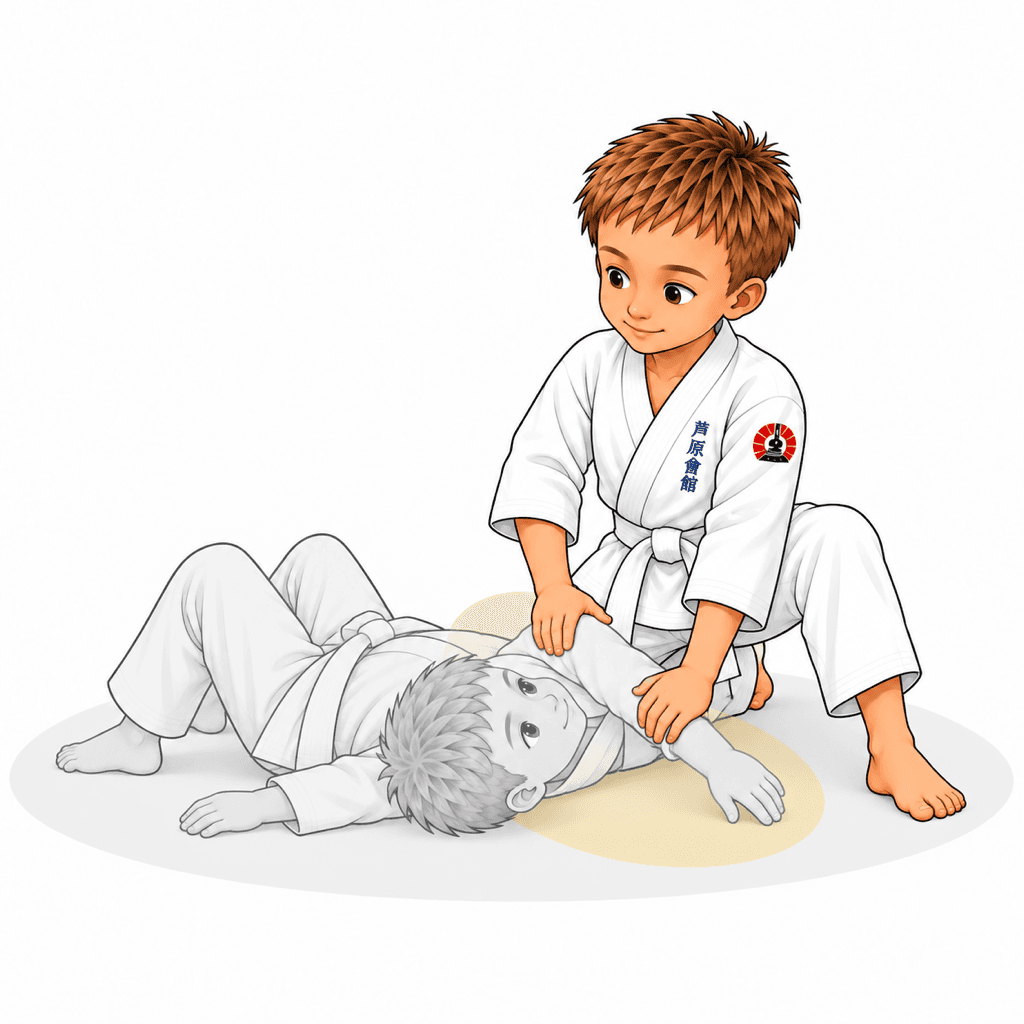
Osae-wazaPinning and control techniques on the ground following a successful takedown or throw.
Osae-waza
抑え技Pinning and control techniques on the ground following a successful takedown or throw.
Renraku-wazaCombinations and fluid transitions between techniques (e.g. block – strike – kick – takedown).
Renraku-waza
連絡技Combinations and fluid transitions between techniques (e.g. block – strike – kick – takedown).
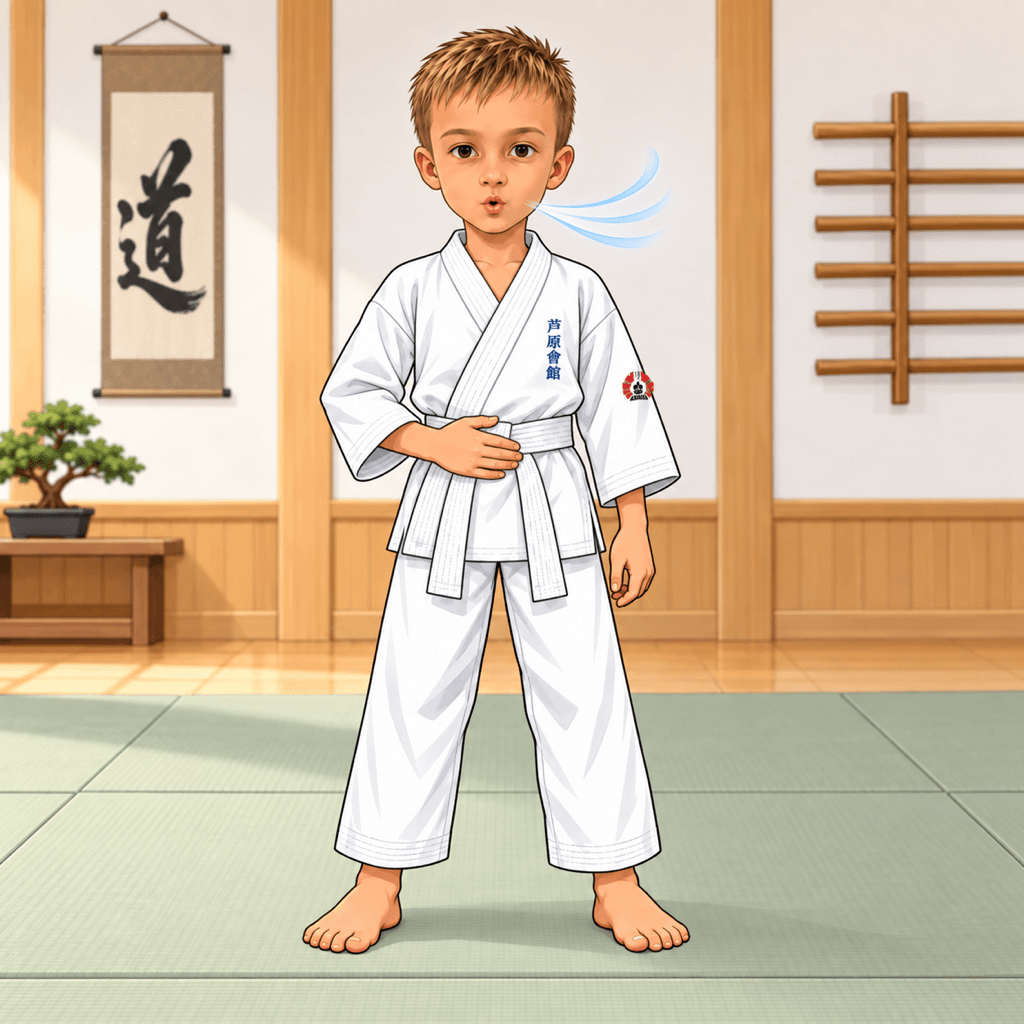
IbukiDynamic, forceful abdominal breathing with vocal resonance that tightens the core (Tanden) and focuses power during Kime.
Ibuki
息吹Dynamic, forceful abdominal breathing with vocal resonance that tightens the core (Tanden) and focuses power during Kime.
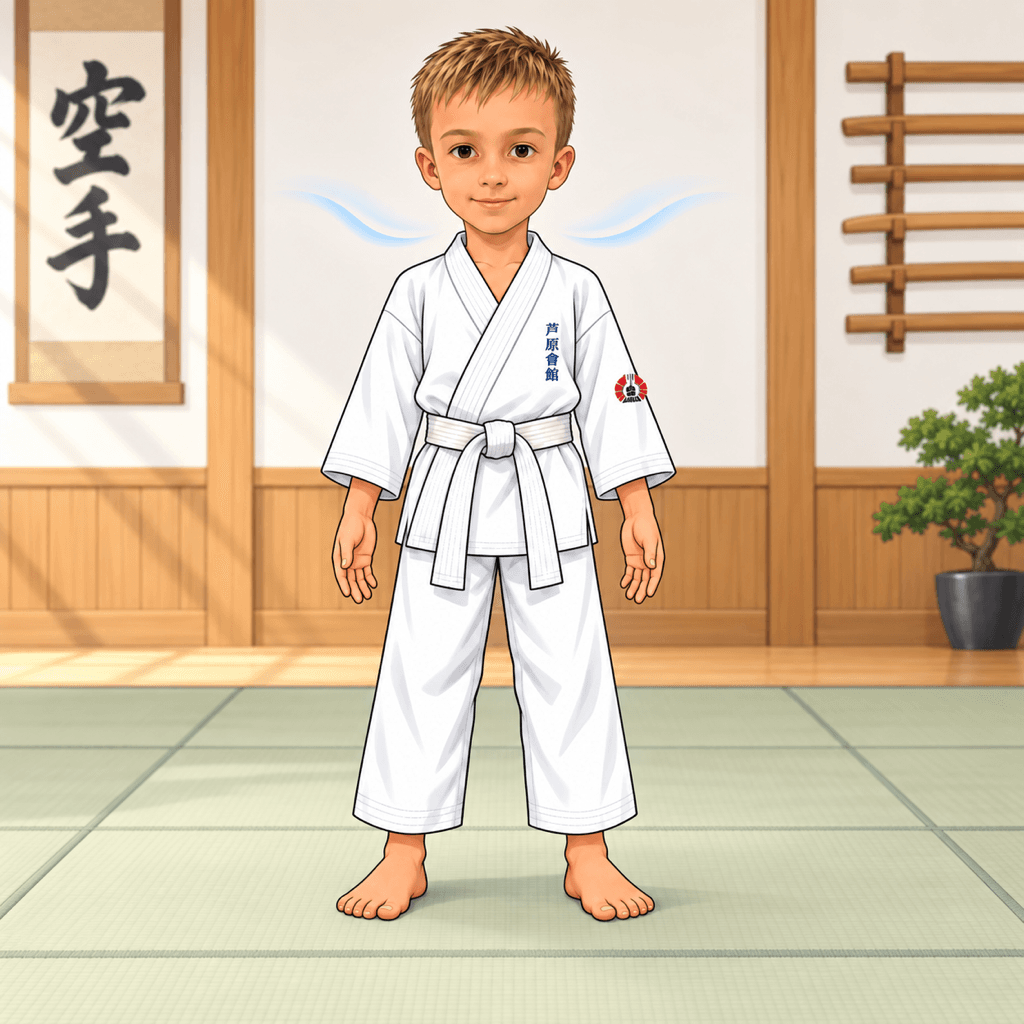
NogareCalm, quiet restorative breathing used to lower heart rate, recover stamina, and release tension.
Nogare
逃れCalm, quiet restorative breathing used to lower heart rate, recover stamina, and release tension.
TamashiFighting spirit, indomitable heart, and resolve never to give up under extreme pressure.
Tamashi
魂Fighting spirit, indomitable heart, and resolve never to give up under extreme pressure.
MushinState of "no-mind" free of fear, anger, or hesitation; the mind reacts instantly like a mirror.
Mushin
無心State of "no-mind" free of fear, anger, or hesitation; the mind reacts instantly like a mirror.
Heikō-dachiParallel stance shoulder-width apart with feet pointing straight forward and even weight (50/50).
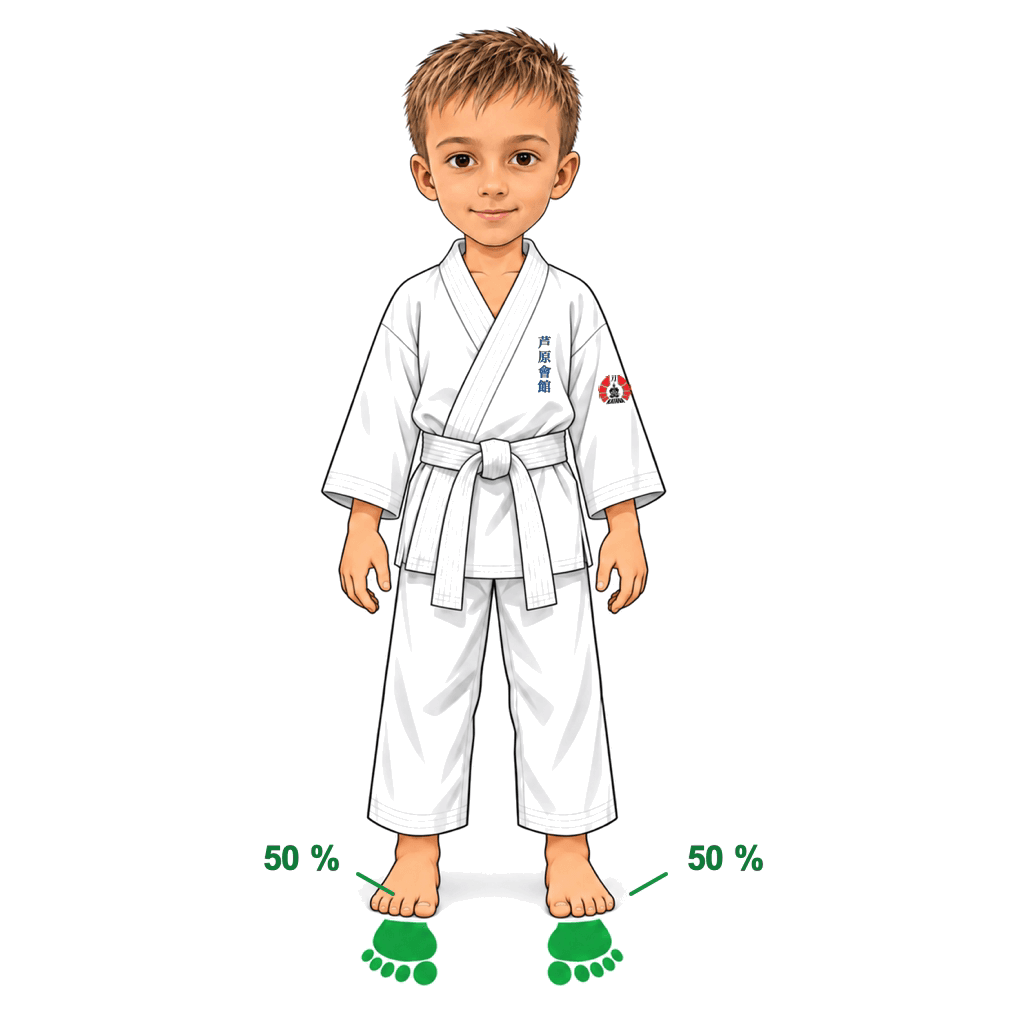
Heikō-dachi
平行立ちParallel stance shoulder-width apart with feet pointing straight forward and even weight (50/50).
Musubi-dachiFormal bowing stance with heels together and toes open at 45 degrees (V-shape), used for Rei.
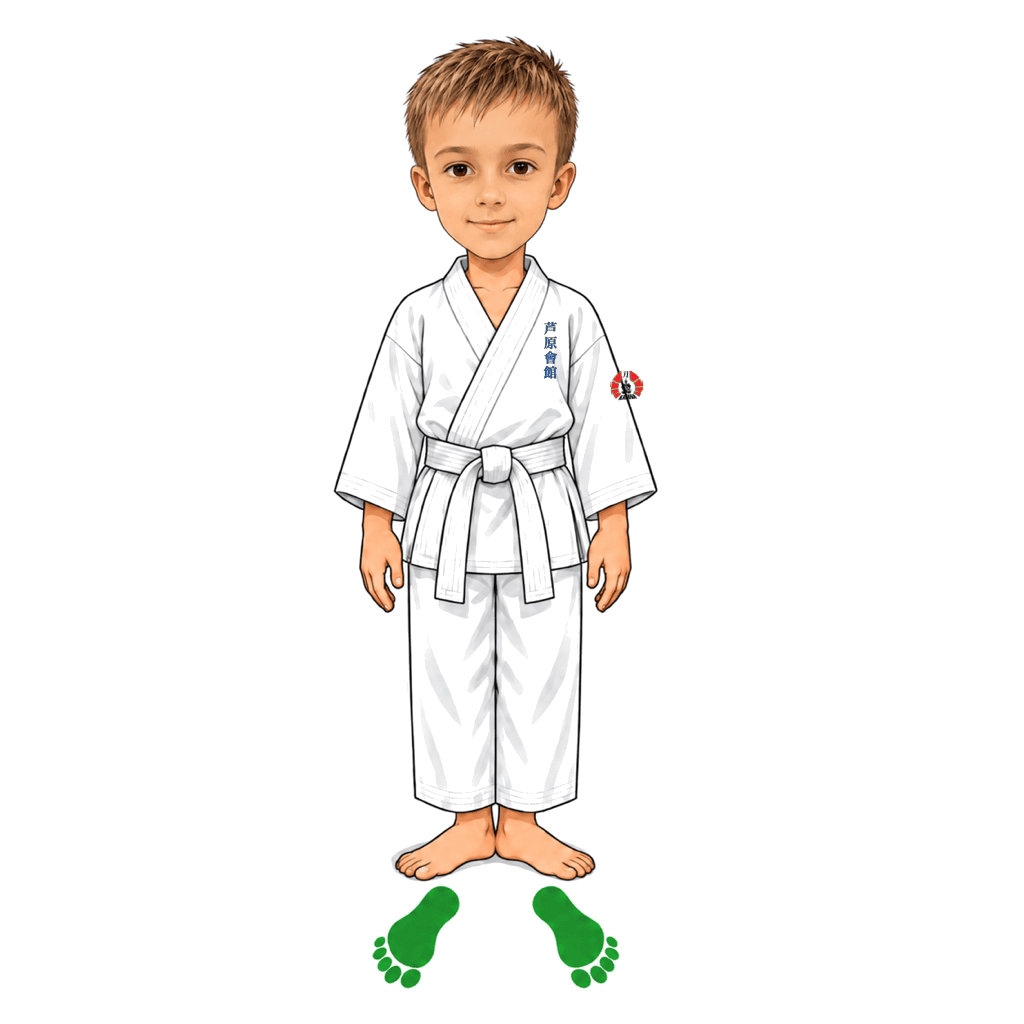
Musubi-dachi
結び立ちFormal bowing stance with heels together and toes open at 45 degrees (V-shape), used for Rei.
Heisoku-dachiClosed feet stance with feet and toes touching together.
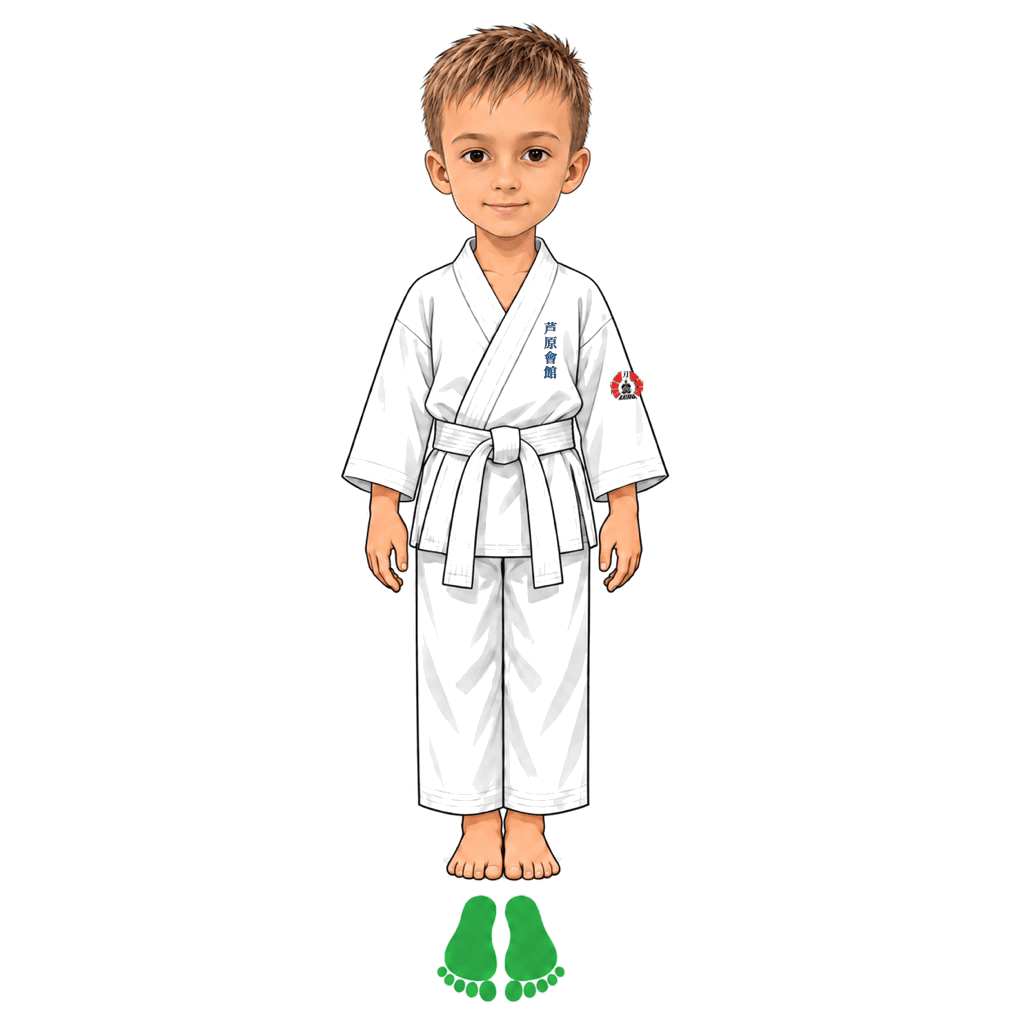
Heisoku-dachi
閉足立ちClosed feet stance with feet and toes touching together.
Neko-ashi-dachiCat stance with 90% of weight on the bent rear leg; front foot rests lightly on the ball of the foot (Chusoku), ready to kick instantly.
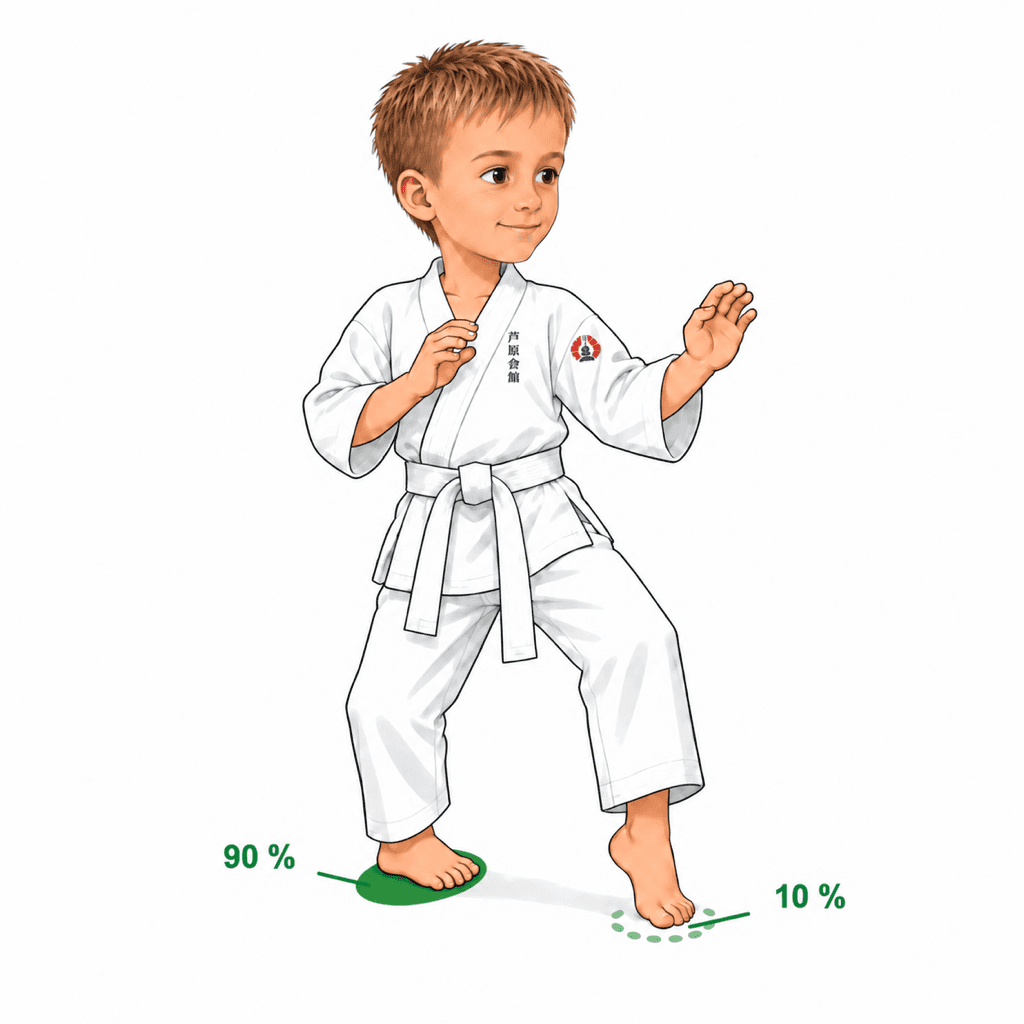
Neko-ashi-dachi
猫足立ちCat stance with 90% of weight on the bent rear leg; front foot rests lightly on the ball of the foot (Chusoku), ready to kick instantly.
Soto-hachiji-dachiNatural open stance at shoulder width, with the toes turned slightly outward and weight distributed evenly.
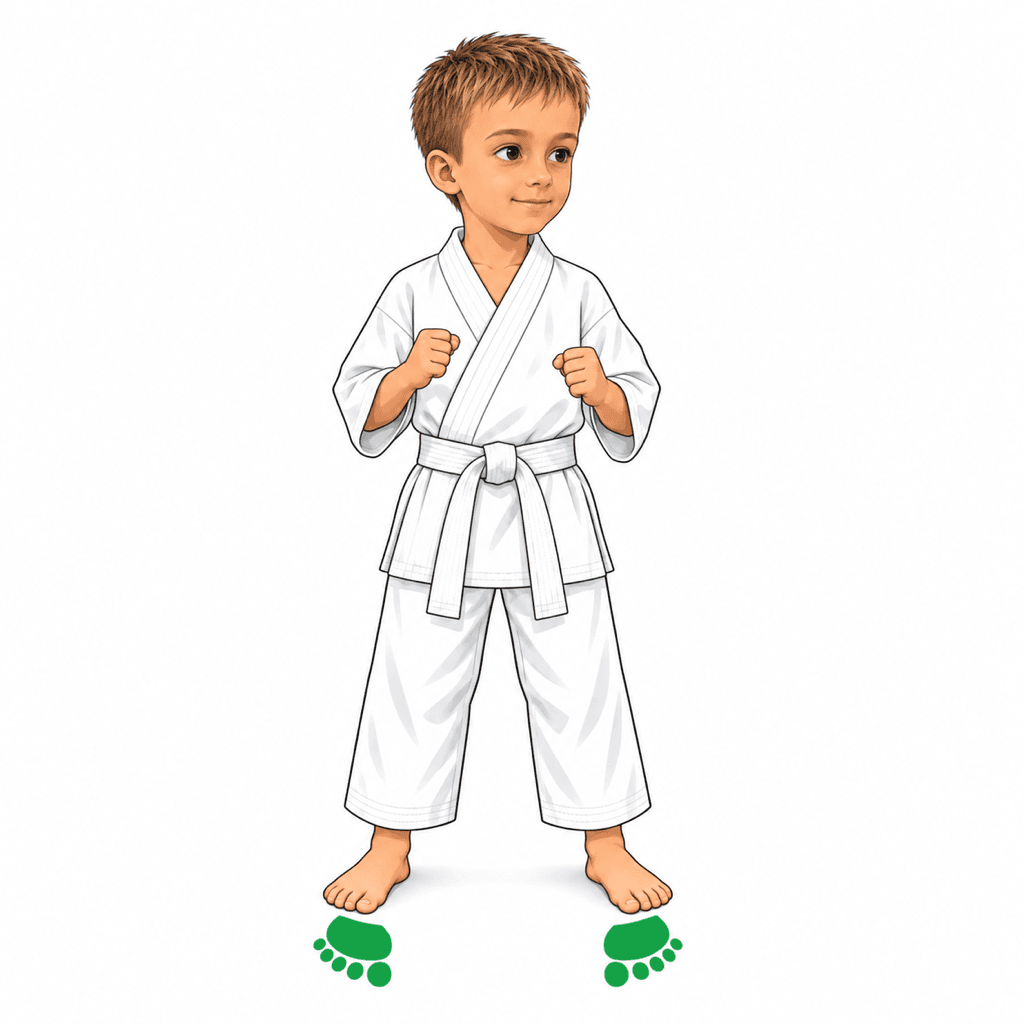
Soto-hachiji-dachi
外八字立ちNatural open stance at shoulder width, with the toes turned slightly outward and weight distributed evenly.
Uchi-hachiji-dachiInward-turned stance at shoulder width, with the toes angled slightly inward and weight distributed evenly.
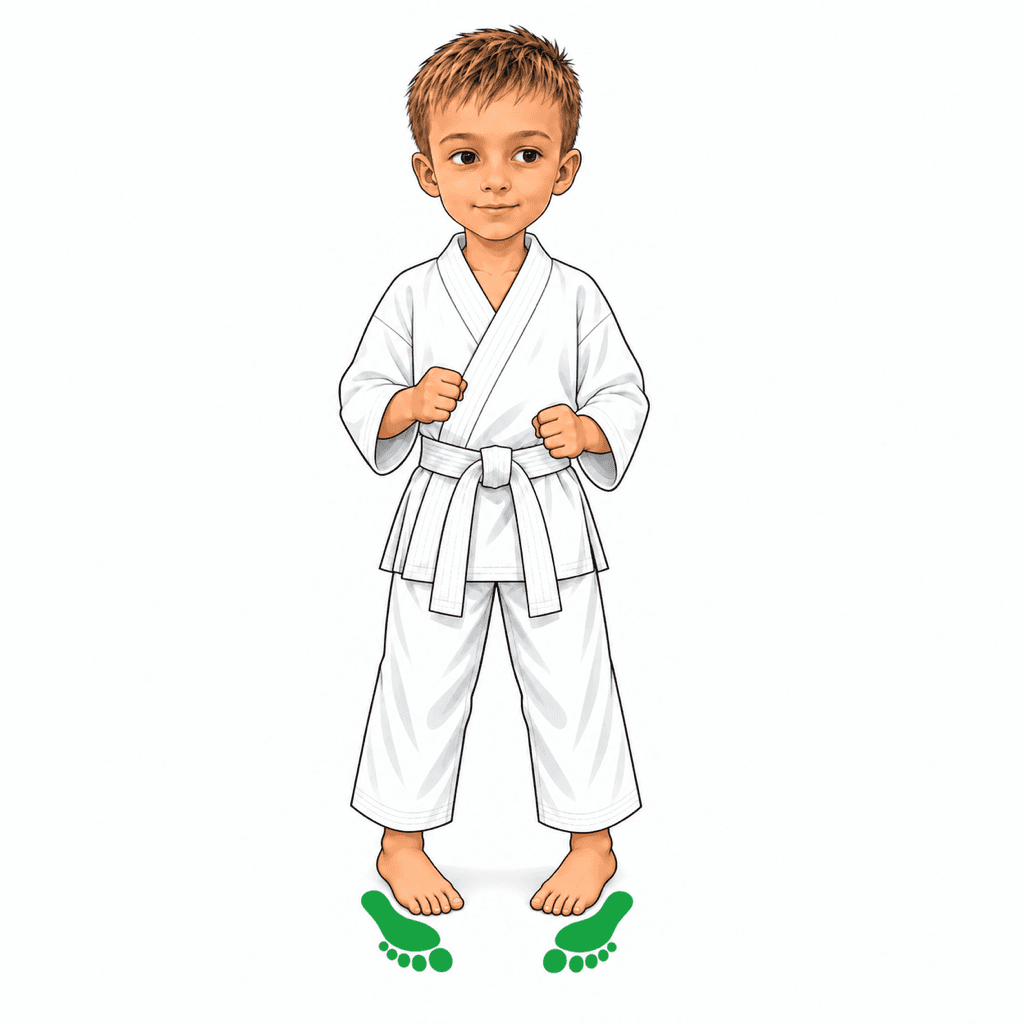
Uchi-hachiji-dachi
内八字立ちInward-turned stance at shoulder width, with the toes angled slightly inward and weight distributed evenly.
Moroashi-dachiShort stance with one foot slightly ahead of the other, the feet roughly parallel and the weight balanced.
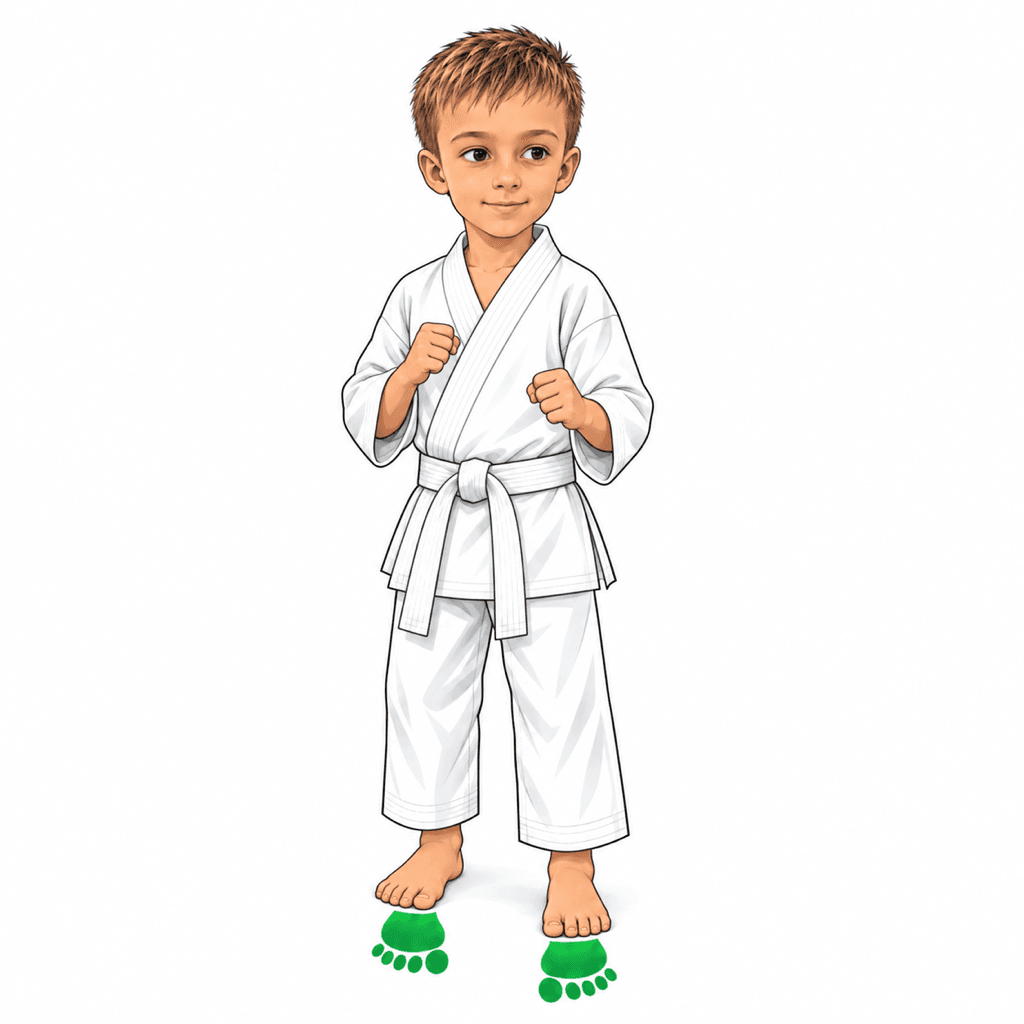
Moroashi-dachi
双足立ちShort stance with one foot slightly ahead of the other, the feet roughly parallel and the weight balanced.
Kake-ashi-dachiCross stance in which one leg passes behind the other while the body stays lowered and ready to change direction.
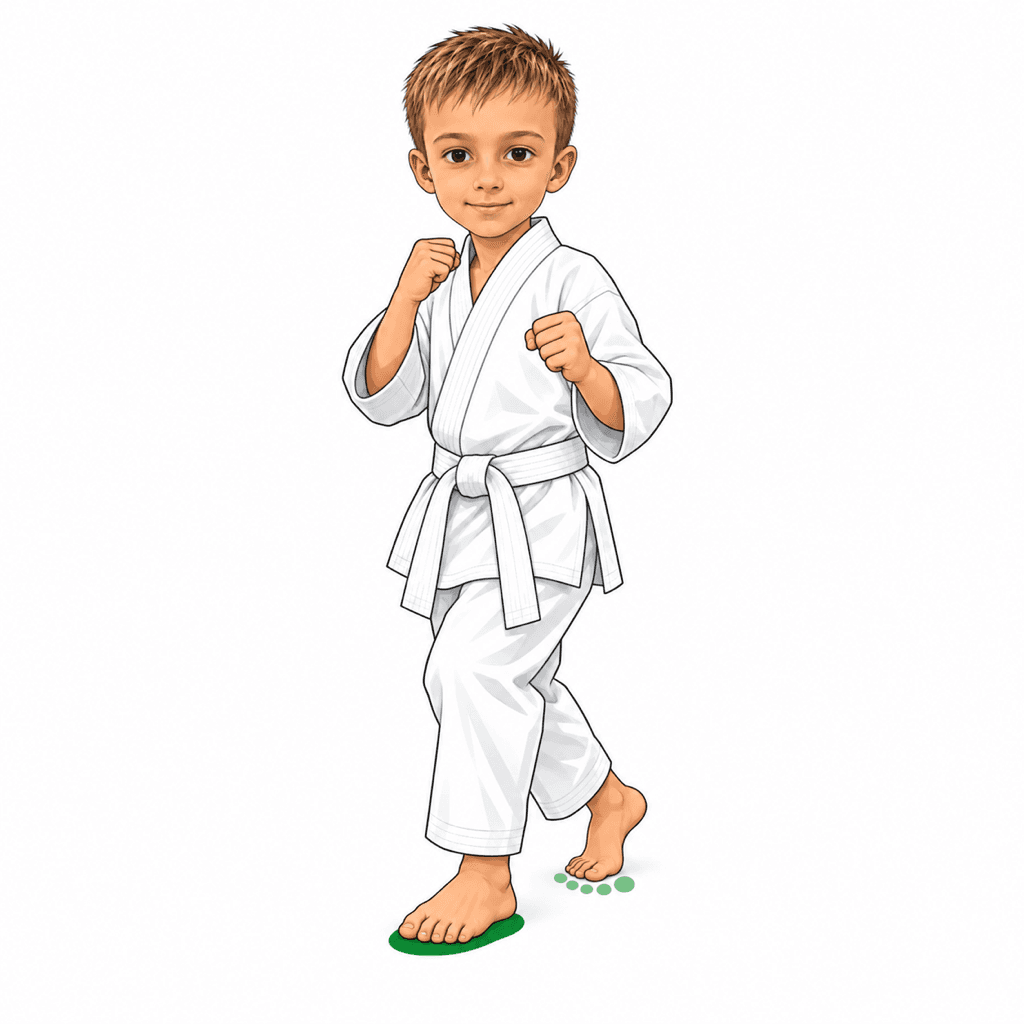
Kake-ashi-dachi
掛け足立ちCross stance in which one leg passes behind the other while the body stays lowered and ready to change direction.
Shiko-dachiWide lowered stance with the feet and knees turned outward and the weight distributed evenly.
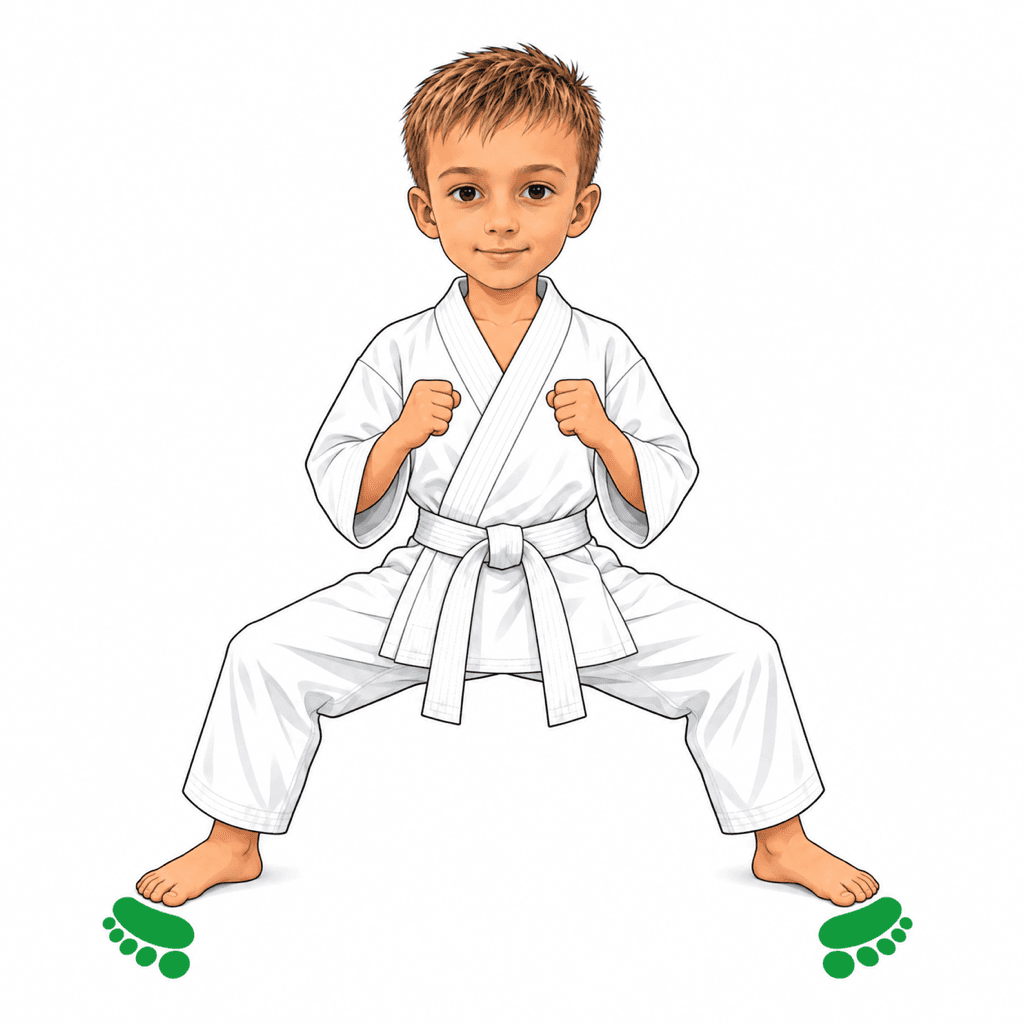
Shiko-dachi
四股立ちWide lowered stance with the feet and knees turned outward and the weight distributed evenly.
Tsuru-ashi-dachiCrane stance balanced on one supporting leg, with the other leg raised and ready for the next movement.
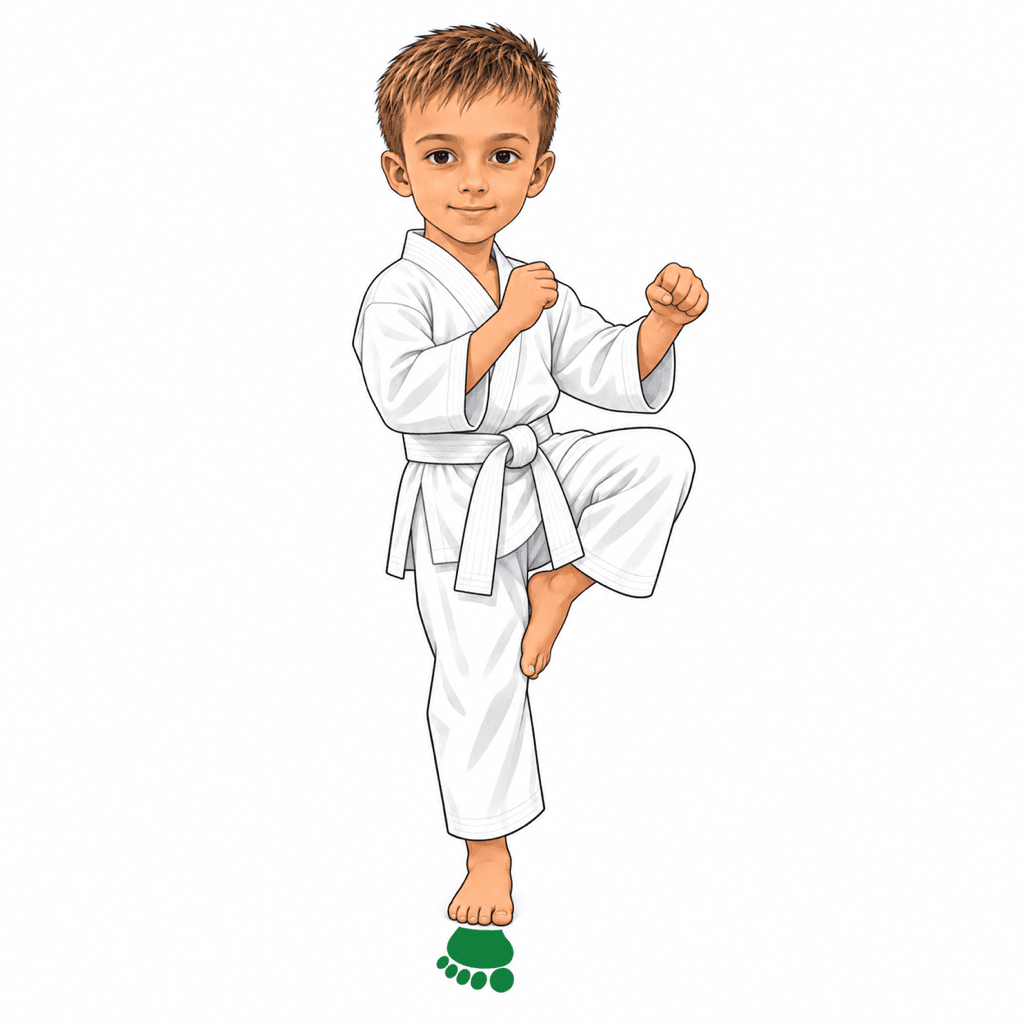
Tsuru-ashi-dachi
鶴足立ちCrane stance balanced on one supporting leg, with the other leg raised and ready for the next movement.
Tai-sabakiWhole-body evasion and repositioning off the opponent's attack line into a dominant angle.
Tai-sabaki
体捌きWhole-body evasion and repositioning off the opponent's attack line into a dominant angle.
Open video on YouTubeOkuri-ashiGliding footwork where the leading foot steps first and the trailing foot follows rapidly without crossing.
Okuri-ashi
送り足Gliding footwork where the leading foot steps first and the trailing foot follows rapidly without crossing.
Open video on YouTubeNanameDiagonal direction (45-degree angle), essential in Ashihara karate for entering the blind spot (Shikaku).
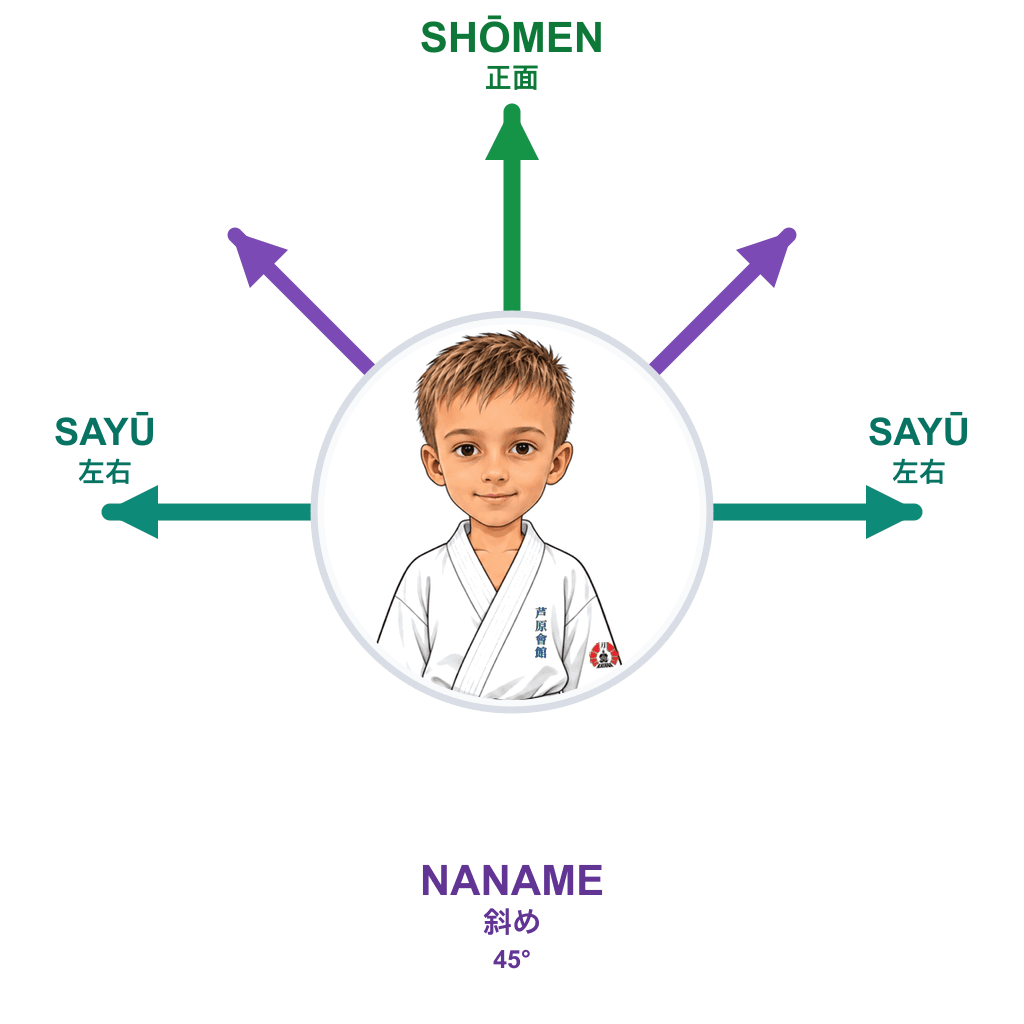
Naname
斜めDiagonal direction (45-degree angle), essential in Ashihara karate for entering the blind spot (Shikaku).
ShōmenFront direction, straight ahead, or the honorary front wall of the dojo.
Shōmen
正面Front direction, straight ahead, or the honorary front wall of the dojo.
SayūLeft and right / both sides – symmetrical execution of techniques.
Sayū
左右Left and right / both sides – symmetrical execution of techniques.
UchiInside / inner direction (motion originating from the inside outward or inner part of limb).
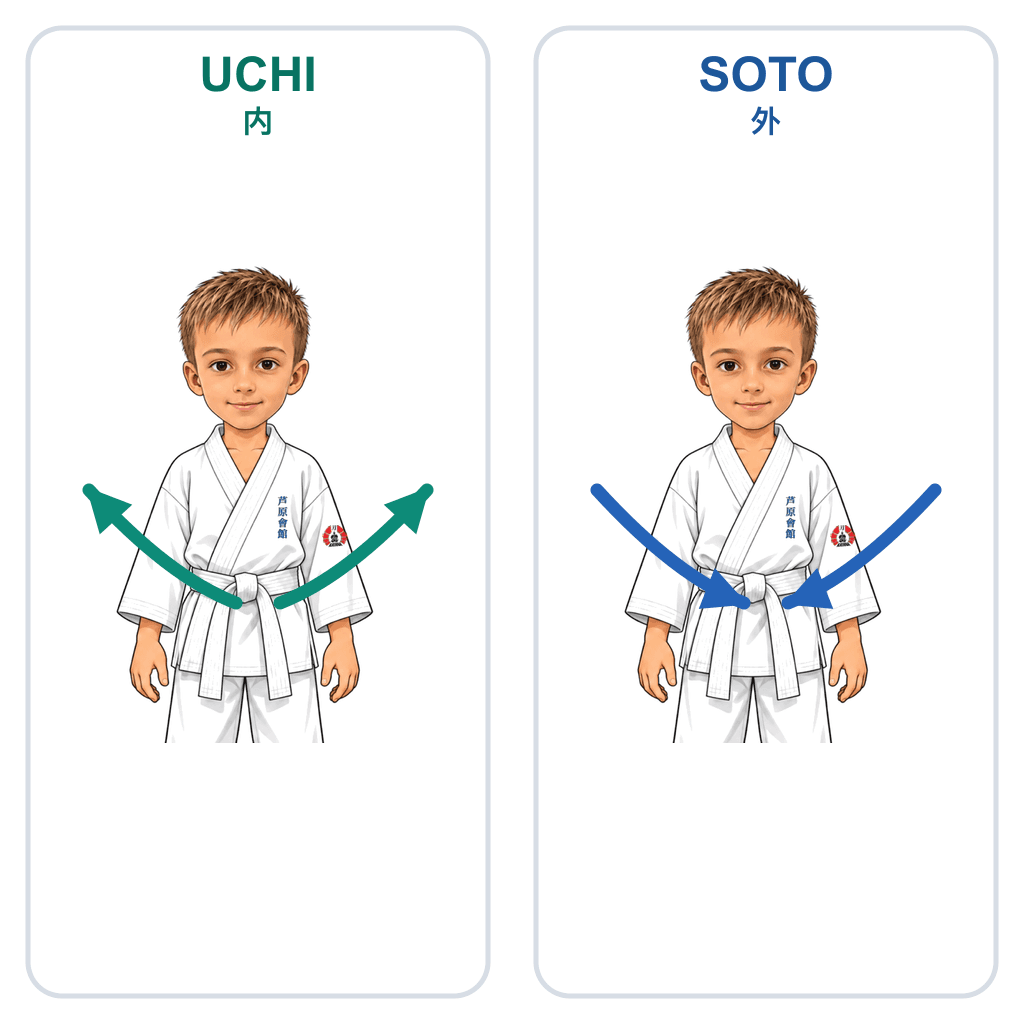
Uchi
内Inside / inner direction (motion originating from the inside outward or inner part of limb).
SotoOutside / outer direction (motion from the outside inward or outer part of limb).
Soto
外Outside / outer direction (motion from the outside inward or outer part of limb).
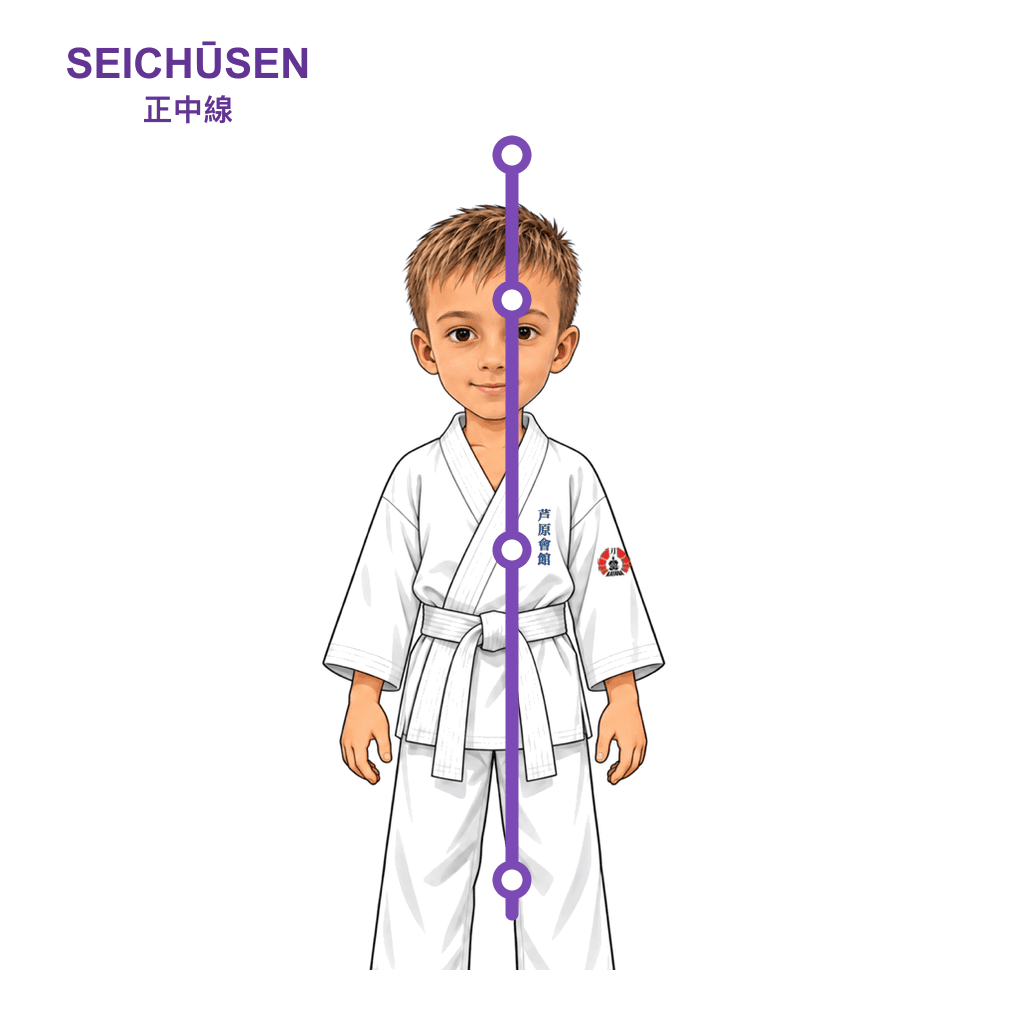
SeichūsenThe vertical centerline of the body connecting the crown, nose, solar plexus, and groin; the primary axis defended and attacked in karate.
Seichūsen
正中線The vertical centerline of the body connecting the crown, nose, solar plexus, and groin; the primary axis defended and attacked in karate.
Sokutō"Foot sword" – the outer edge of the foot with toes pulled back, used for side kicks (Yoko-geri) and joint kicks (Kansetsu-geri).
Sokutō
足刀"Foot sword" – the outer edge of the foot with toes pulled back, used for side kicks (Yoko-geri) and joint kicks (Kansetsu-geri).
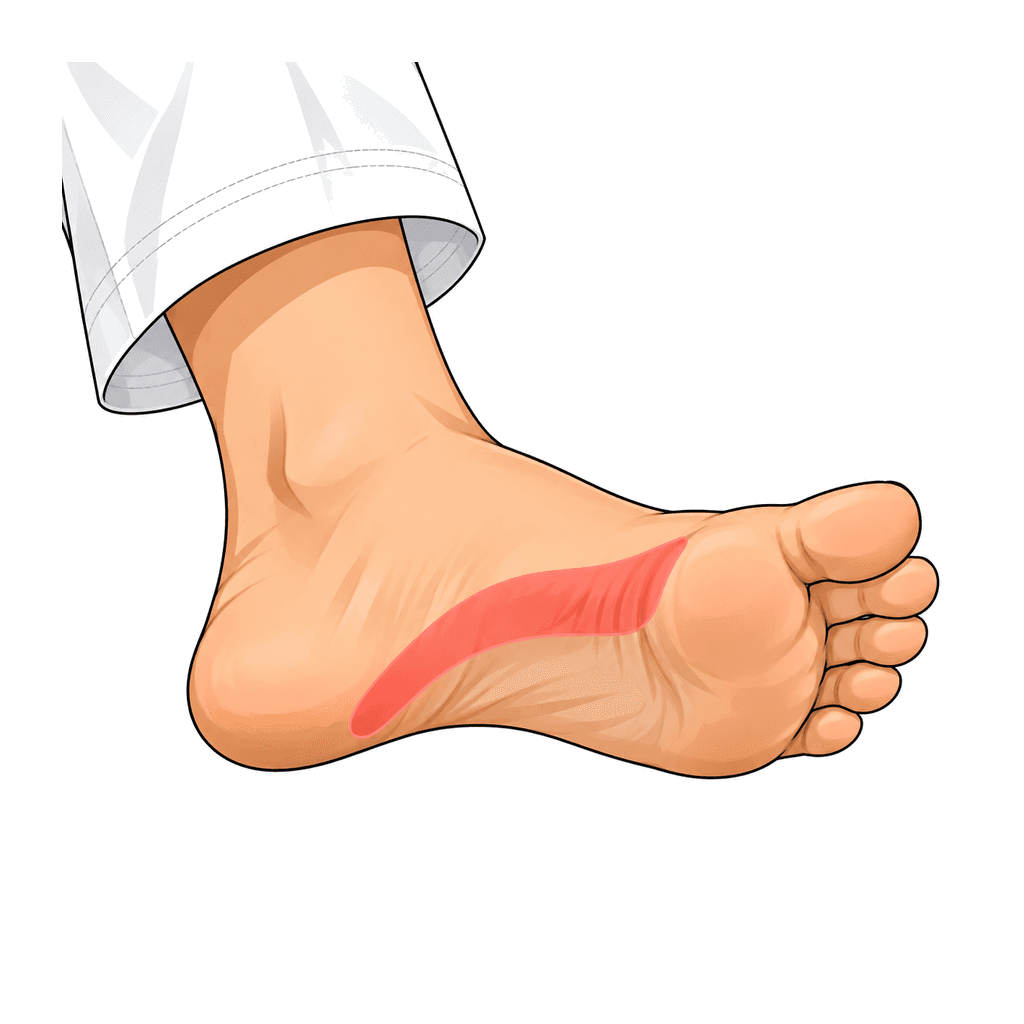
TeisokuThe inner arch/sole of the foot, used for foot sweeps (Ashi-barai) and catching kicks.
Teisoku
底足The inner arch/sole of the foot, used for foot sweeps (Ashi-barai) and catching kicks.
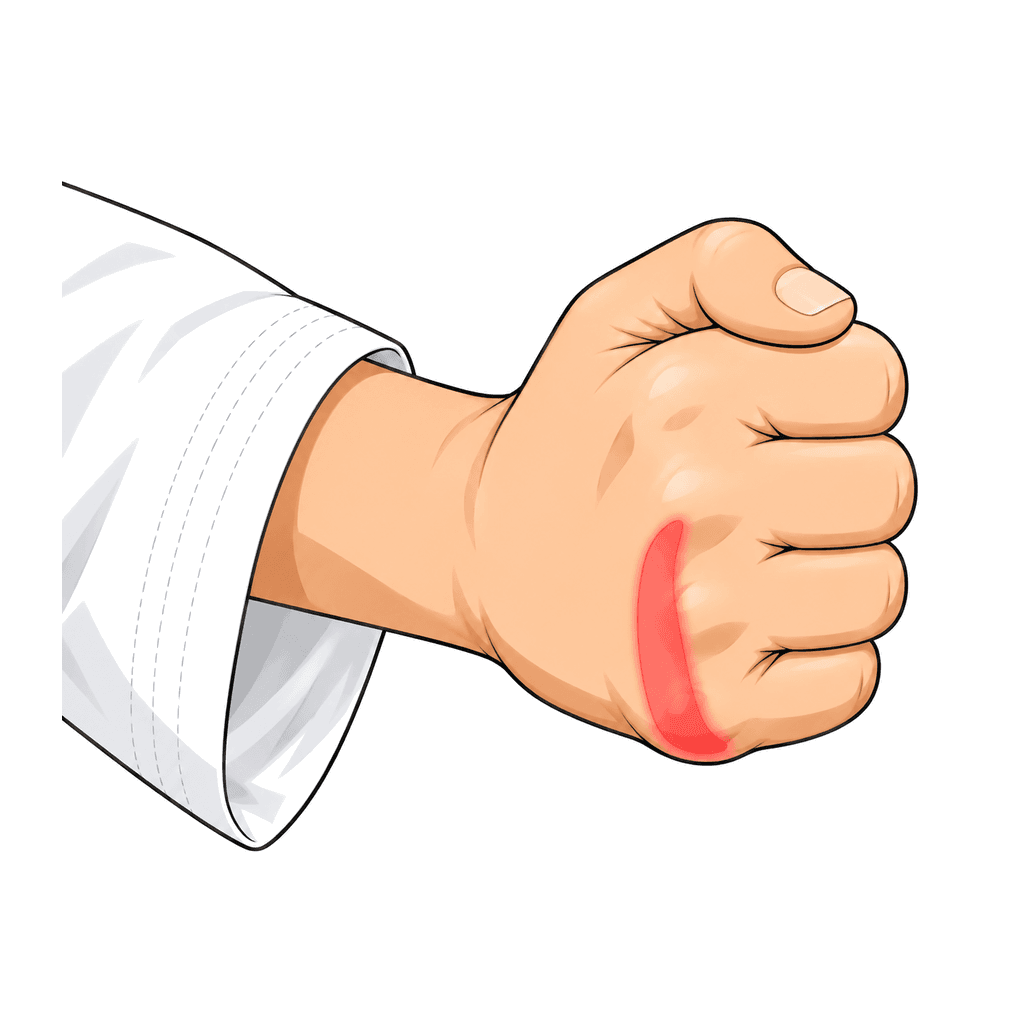
Tettsui"Iron hammer" – the bottom fleshy edge of the clenched fist, used for downward hammer strikes.
Tettsui
鉄槌"Iron hammer" – the bottom fleshy edge of the clenched fist, used for downward hammer strikes.
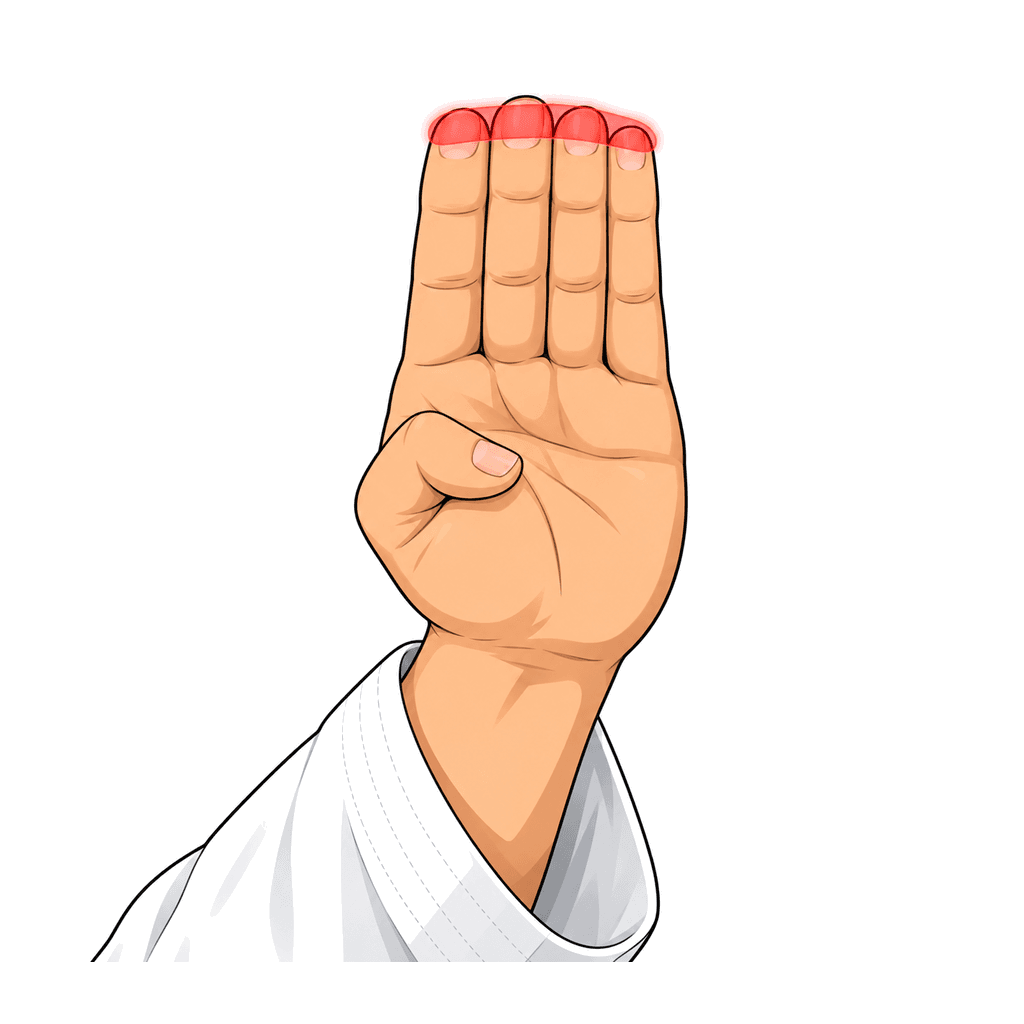
Nukite"Spear hand" – rigid, extended fingertips used for piercing strikes to soft vulnerable targets.
Nukite
貫手"Spear hand" – rigid, extended fingertips used for piercing strikes to soft vulnerable targets.
HaishuBack of the open hand, used for slapping strikes and deflection blocks.
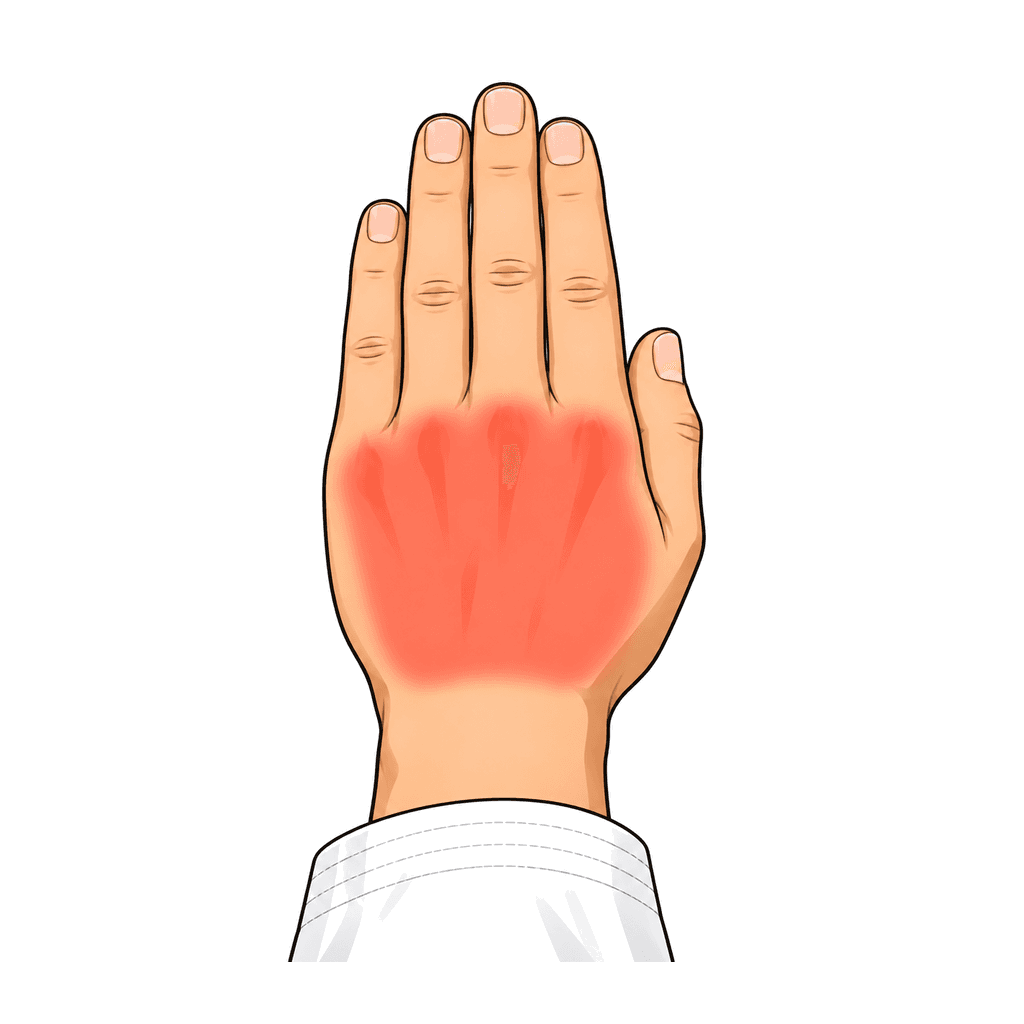
Haishu
背手Back of the open hand, used for slapping strikes and deflection blocks.
Tōho"Sword peak" – the web between thumb and index finger, aimed at the opponent's throat or jaw.
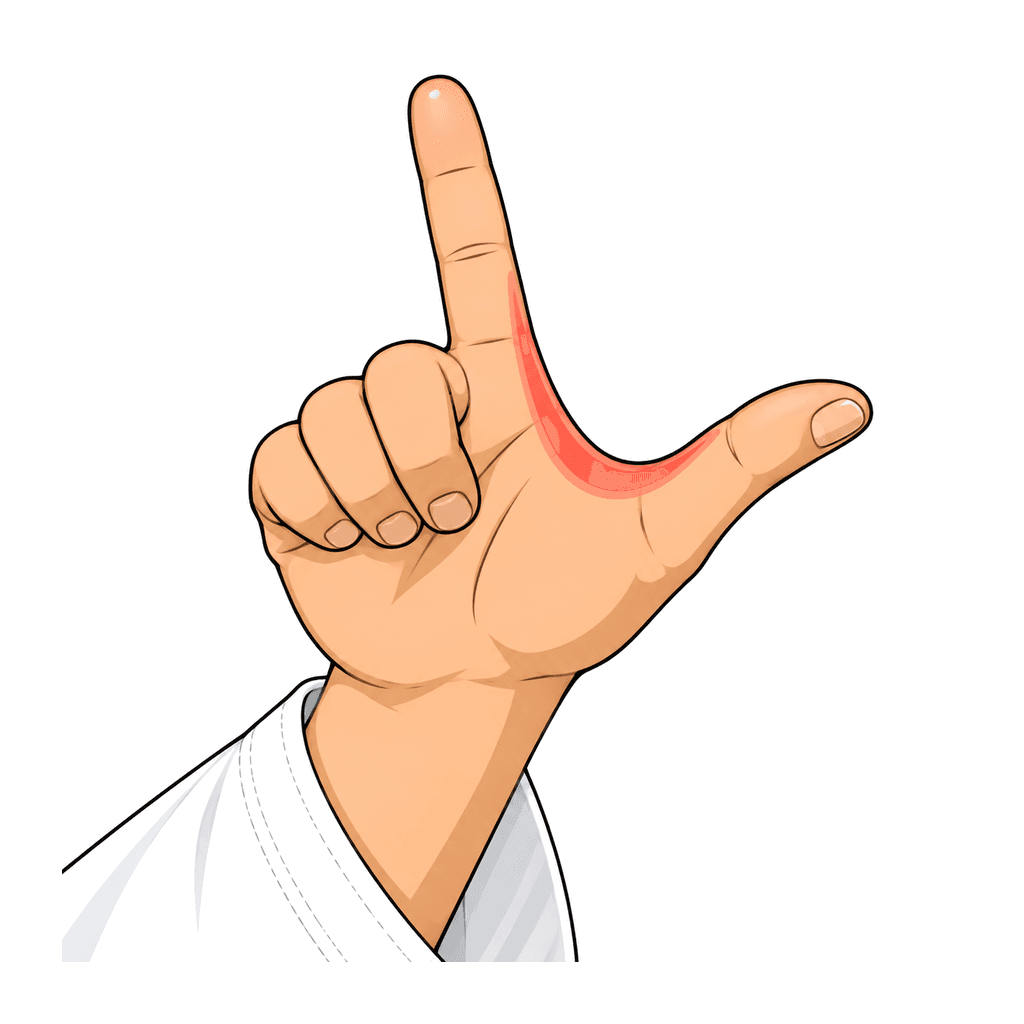
Tōho
刀法"Sword peak" – the web between thumb and index finger, aimed at the opponent's throat or jaw.
Age-zukiRising punch / uppercut delivered vertically upward toward the opponent's chin.
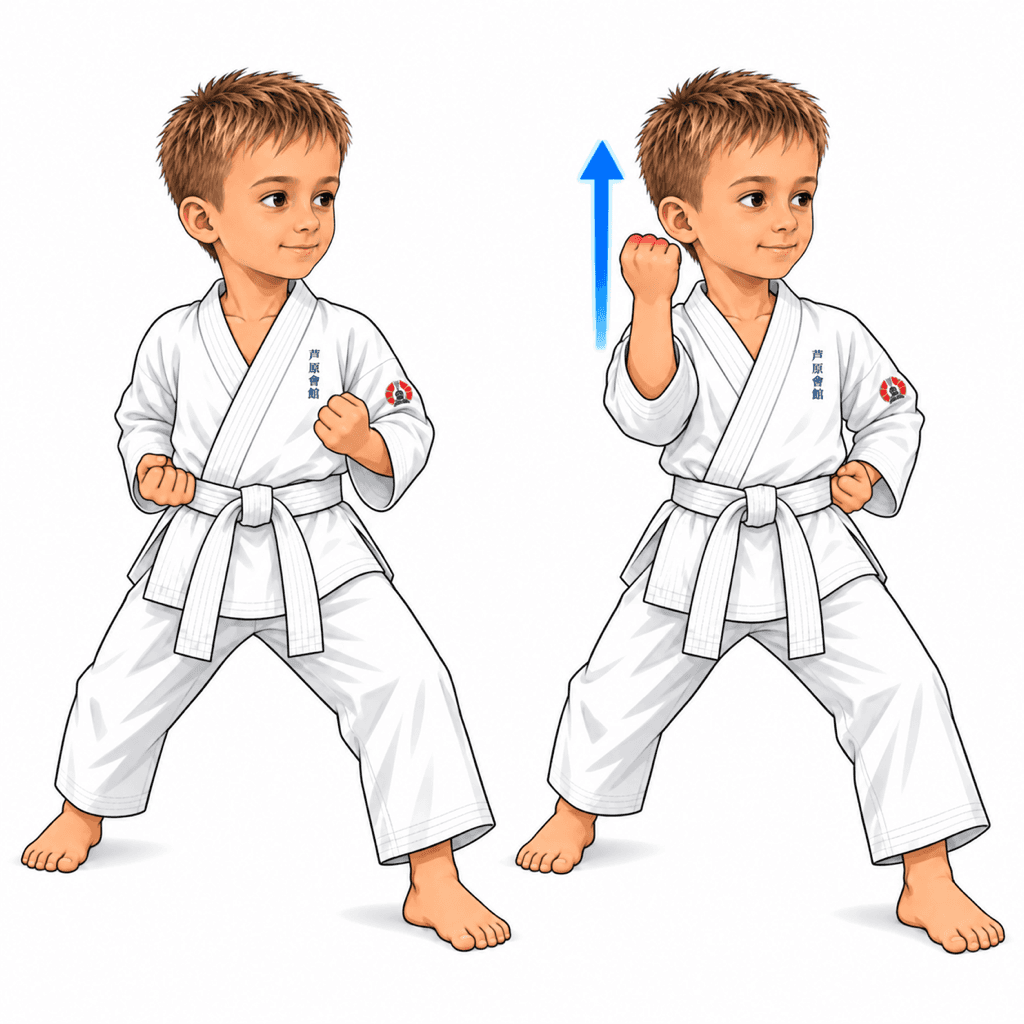
Age-zuki
上げ突きRising punch / uppercut delivered vertically upward toward the opponent's chin.
Open video on YouTubeUra-zukiClose-range short uppercut with palm facing inward toward the practitioner's body.
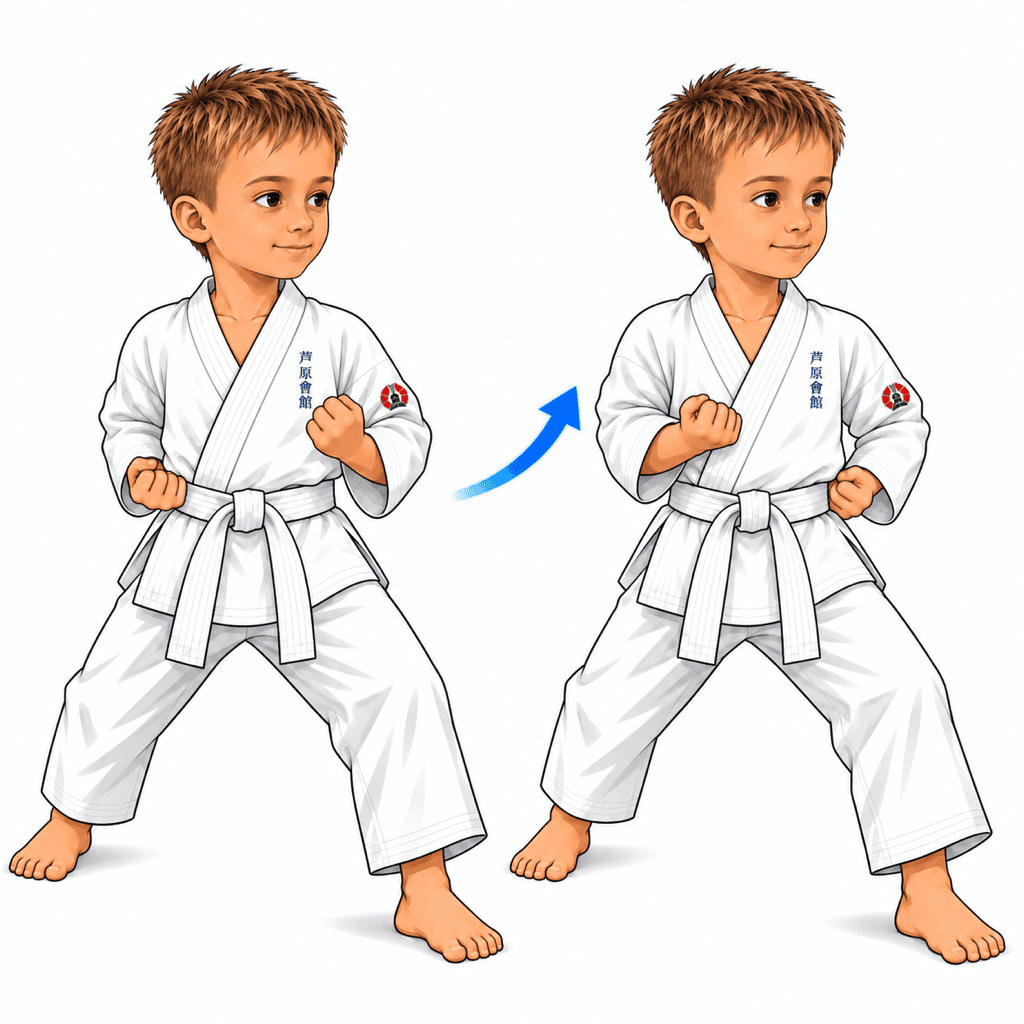
Ura-zuki
裏突きClose-range short uppercut with palm facing inward toward the practitioner's body.
Open video on YouTubeKagi-zukiHook punch bent at a right angle, delivered horizontally into the opponent's ribs at close range.
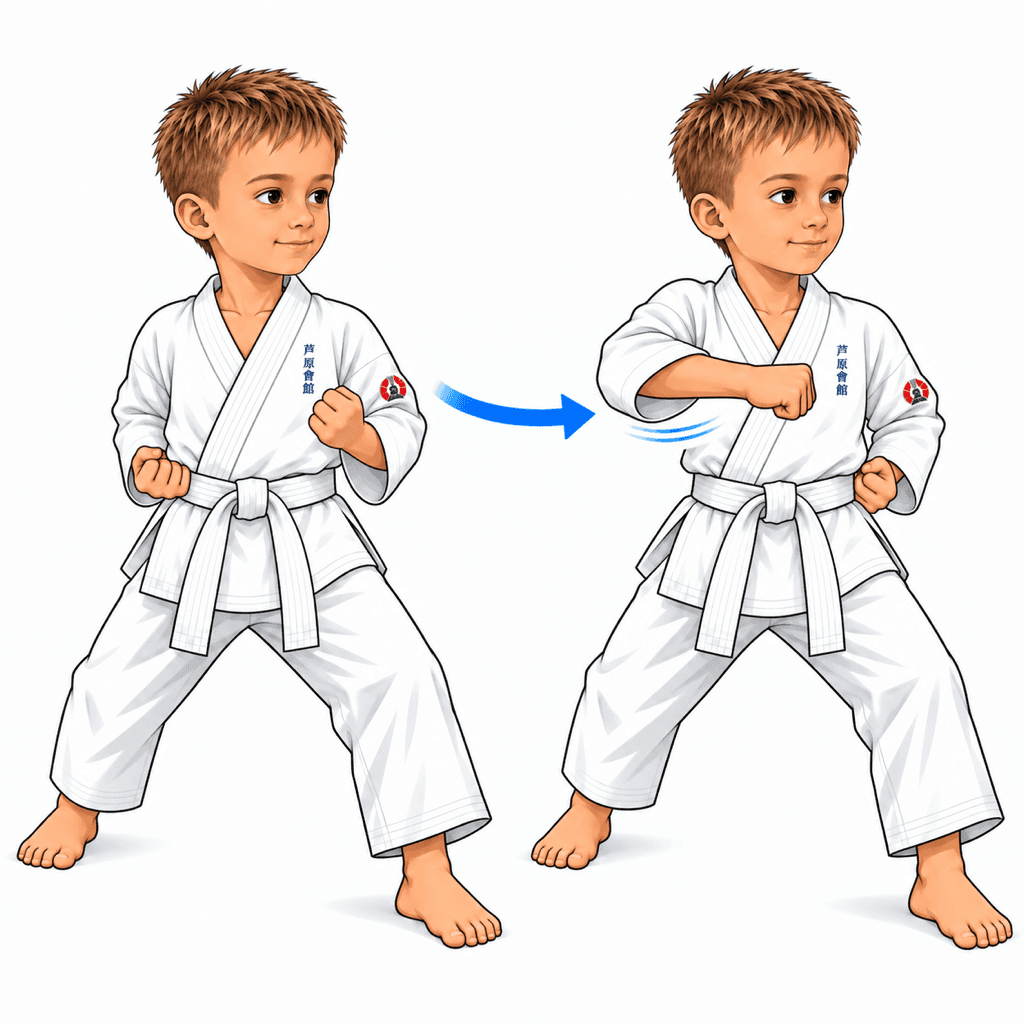
Kagi-zuki
鉤突きHook punch bent at a right angle, delivered horizontally into the opponent's ribs at close range.
Open video on YouTubeMawashi-zukiRoundhouse punch delivered in an arc toward the opponent's temple or jaw.
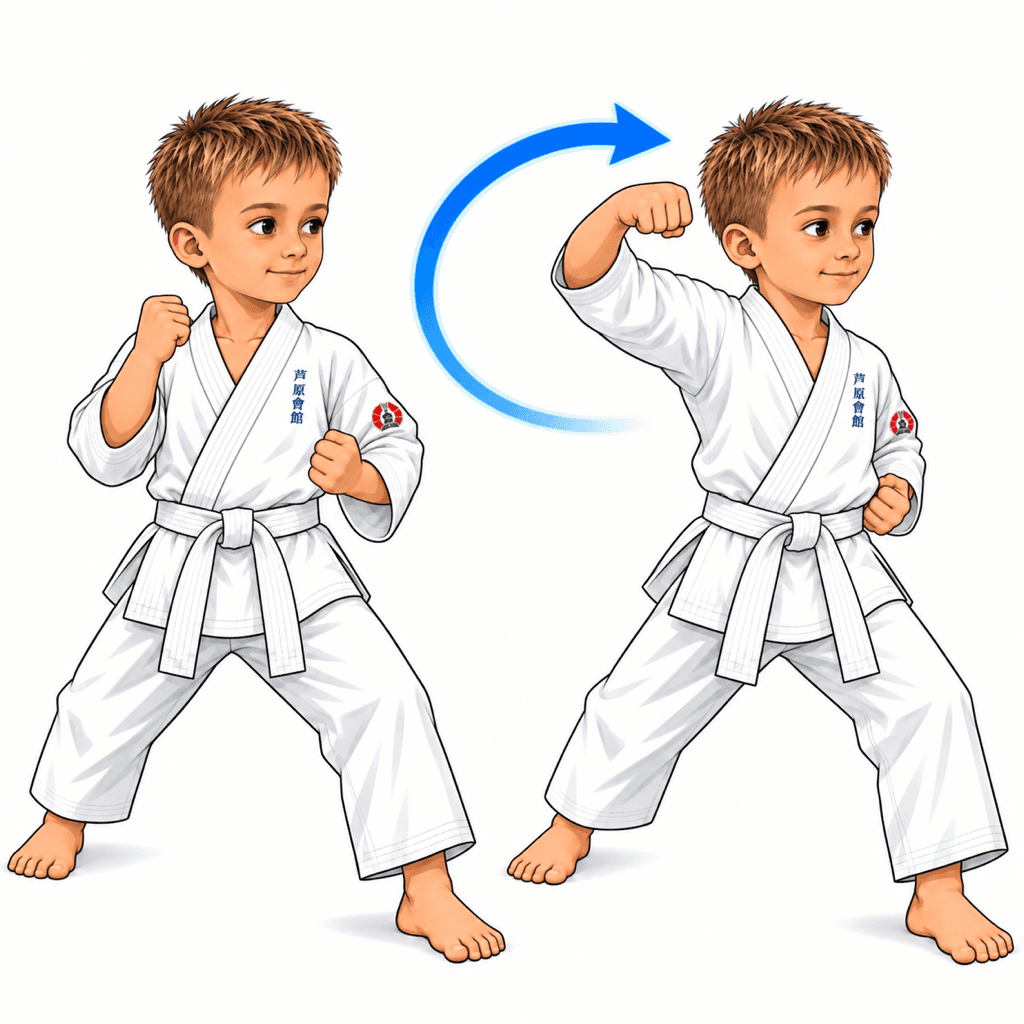
Mawashi-zuki
回し突きRoundhouse punch delivered in an arc toward the opponent's temple or jaw.
Open video on YouTubeShutō-uchiKnife-hand strike with the outer edge of the palm aimed at the neck, collarbone, or temple.
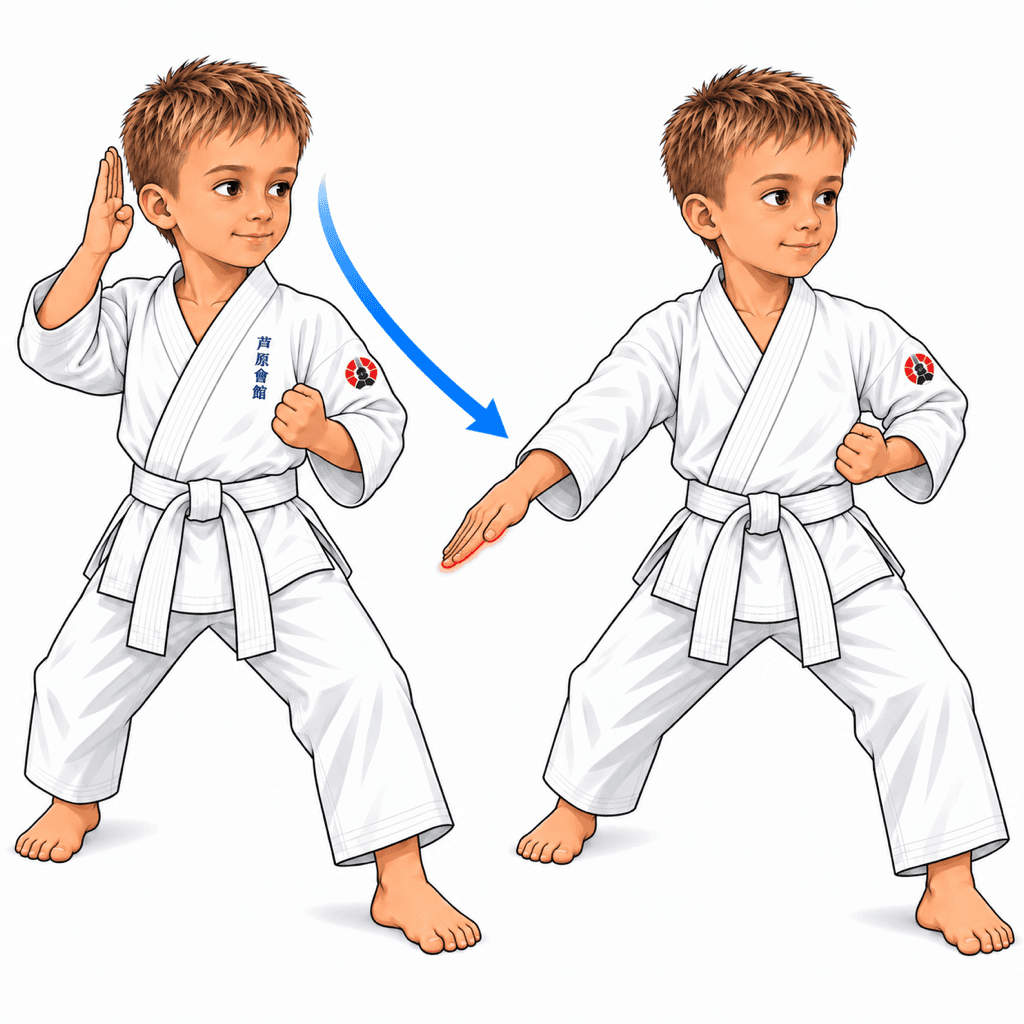
Shutō-uchi
手刀打ちKnife-hand strike with the outer edge of the palm aimed at the neck, collarbone, or temple.
Open video on YouTubeTettsui-uchiHammer-fist strike delivered with the bottom edge of the clenched fist.
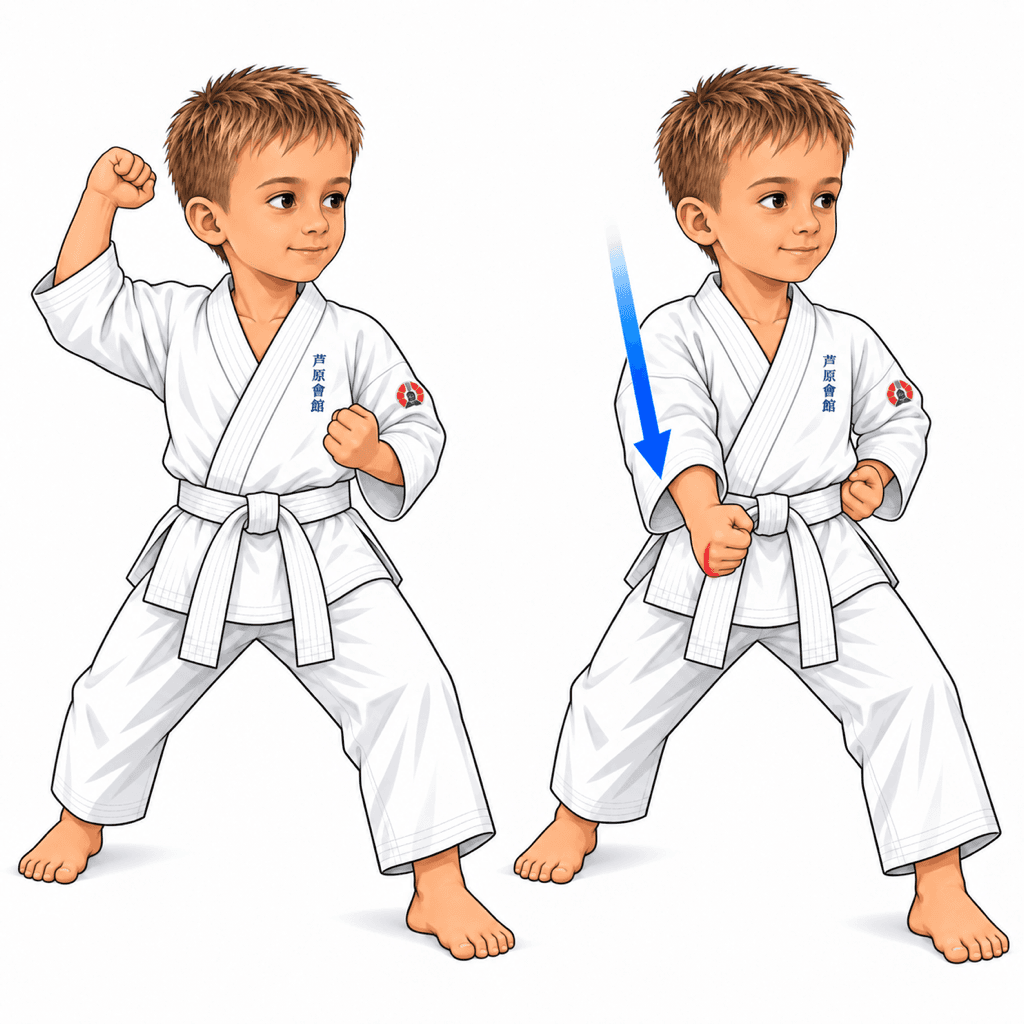
Tettsui-uchi
鉄槌打ちHammer-fist strike delivered with the bottom edge of the clenched fist.
Open video on YouTubeUraken-uchiSnap backfist strike utilizing elbow and wrist whip to the nose or temple.
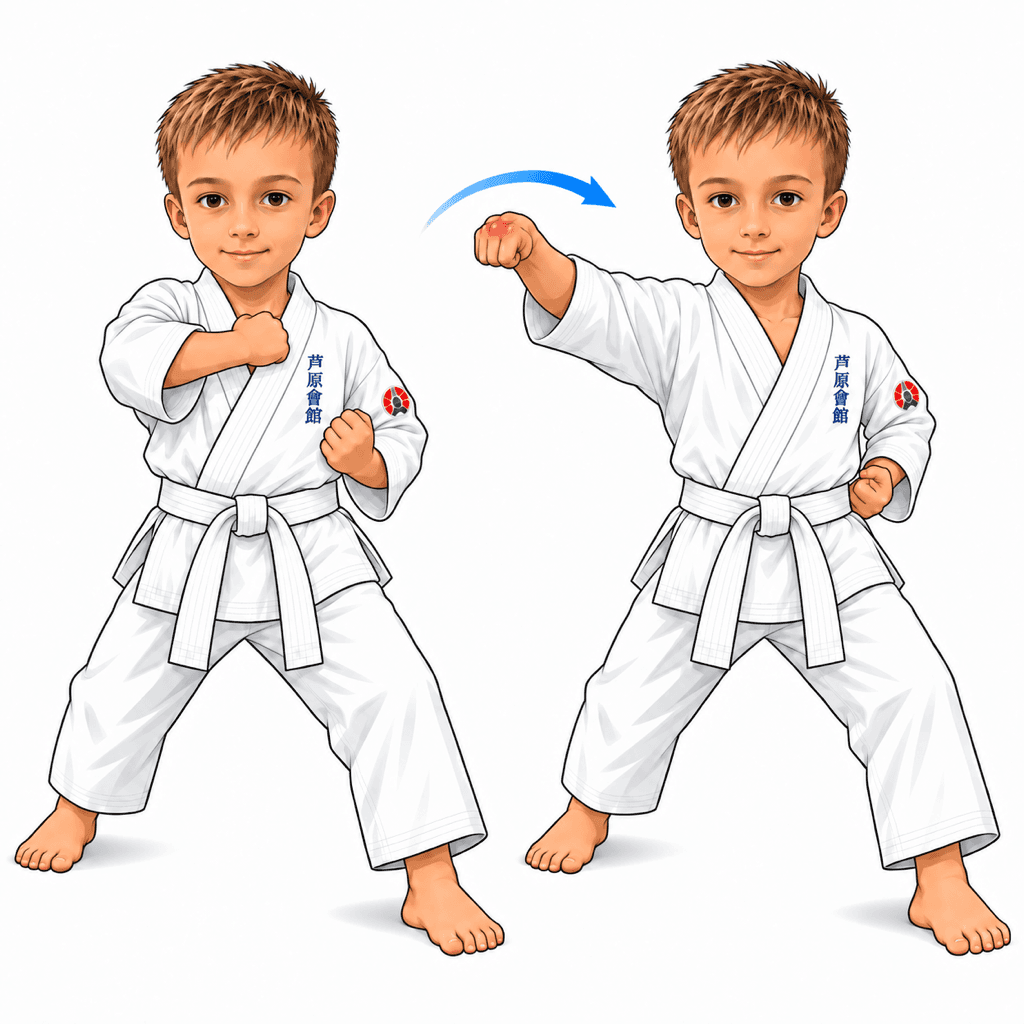
Uraken-uchi
裏拳打ちSnap backfist strike utilizing elbow and wrist whip to the nose or temple.
Open video on YouTubeHiji-ate / EmpiDestructive close-range elbow strike in various directions (forward, upward, downward, rear).
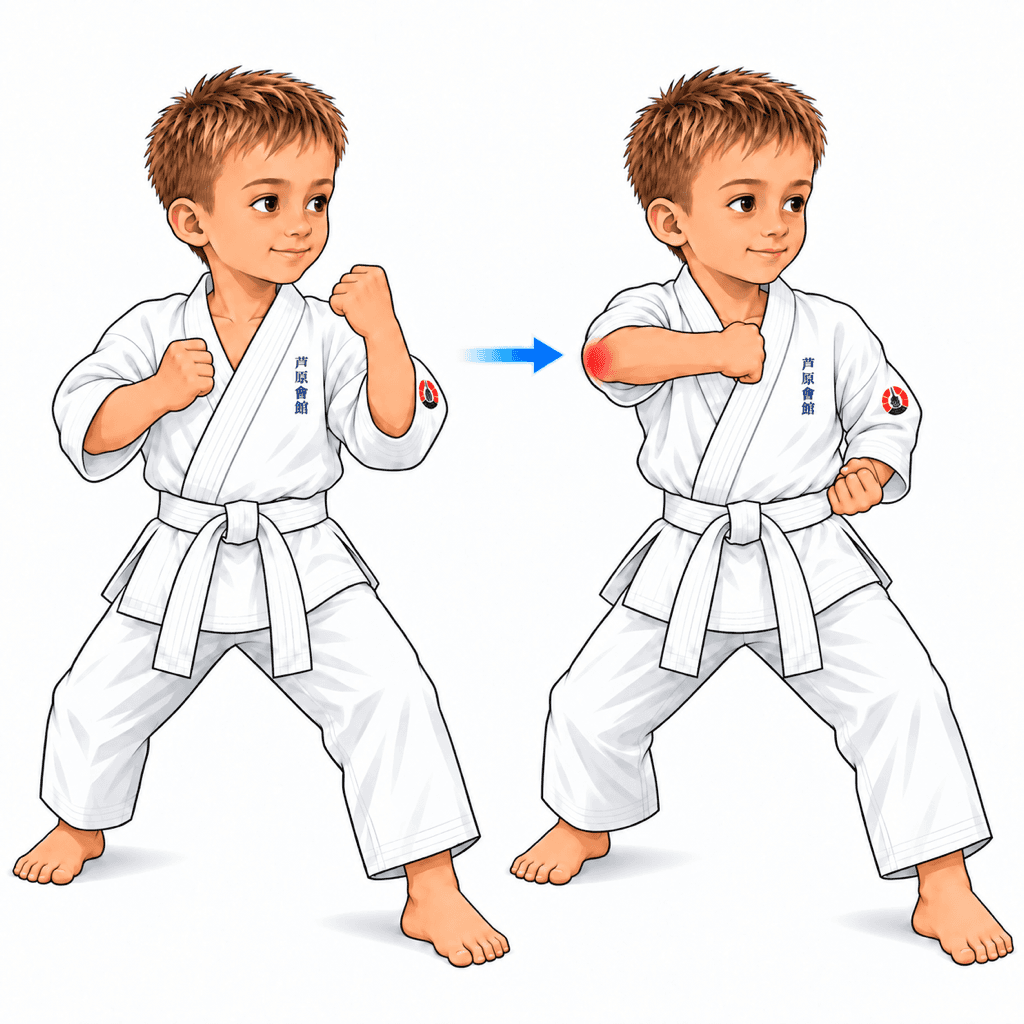
Hiji-ate / Empi
肘当てDestructive close-range elbow strike in various directions (forward, upward, downward, rear).
Open video on YouTubeShutō-ukeKnife-hand block performed with the outer edge of the open palm, typically in Kokutsu-dachi to redirect strikes.
Shutō-uke
手刀受けKnife-hand block performed with the outer edge of the open palm, typically in Kokutsu-dachi to redirect strikes.
Open video on YouTubeMawashi-ukeCircular double-hand block that intercepts, deflects, and redirects the opponent's energy (vital in Sabaki and advanced kata).
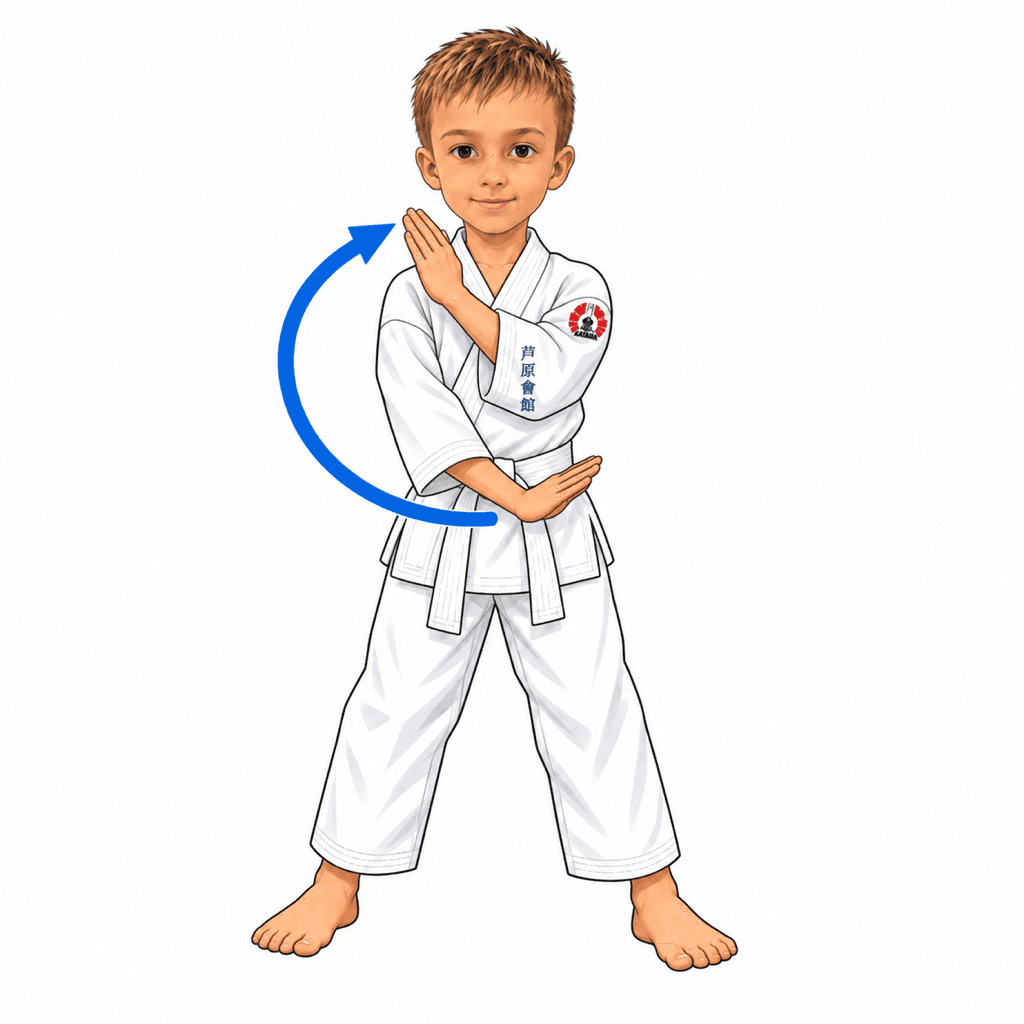
Mawashi-uke
回し受けCircular double-hand block that intercepts, deflects, and redirects the opponent's energy (vital in Sabaki and advanced kata).
Morote-ukeReinforced forearm block supported by the other fist at the elbow for maximum stability against heavy attacks.
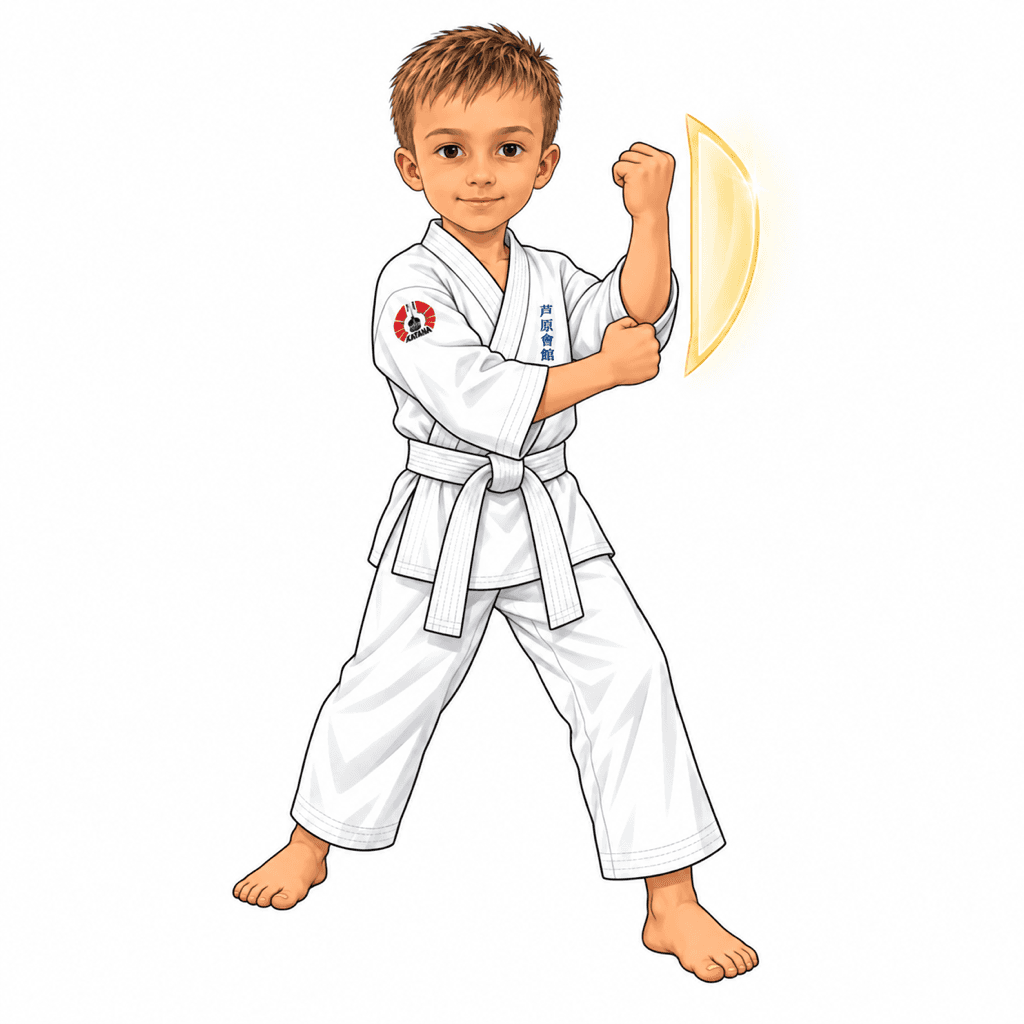
Morote-uke
諸手受けReinforced forearm block supported by the other fist at the elbow for maximum stability against heavy attacks.
Jūji-ukeCross block with wrists crossed in an X-shape, executed high (Jodan) or low (Gedan) to trap kicks.
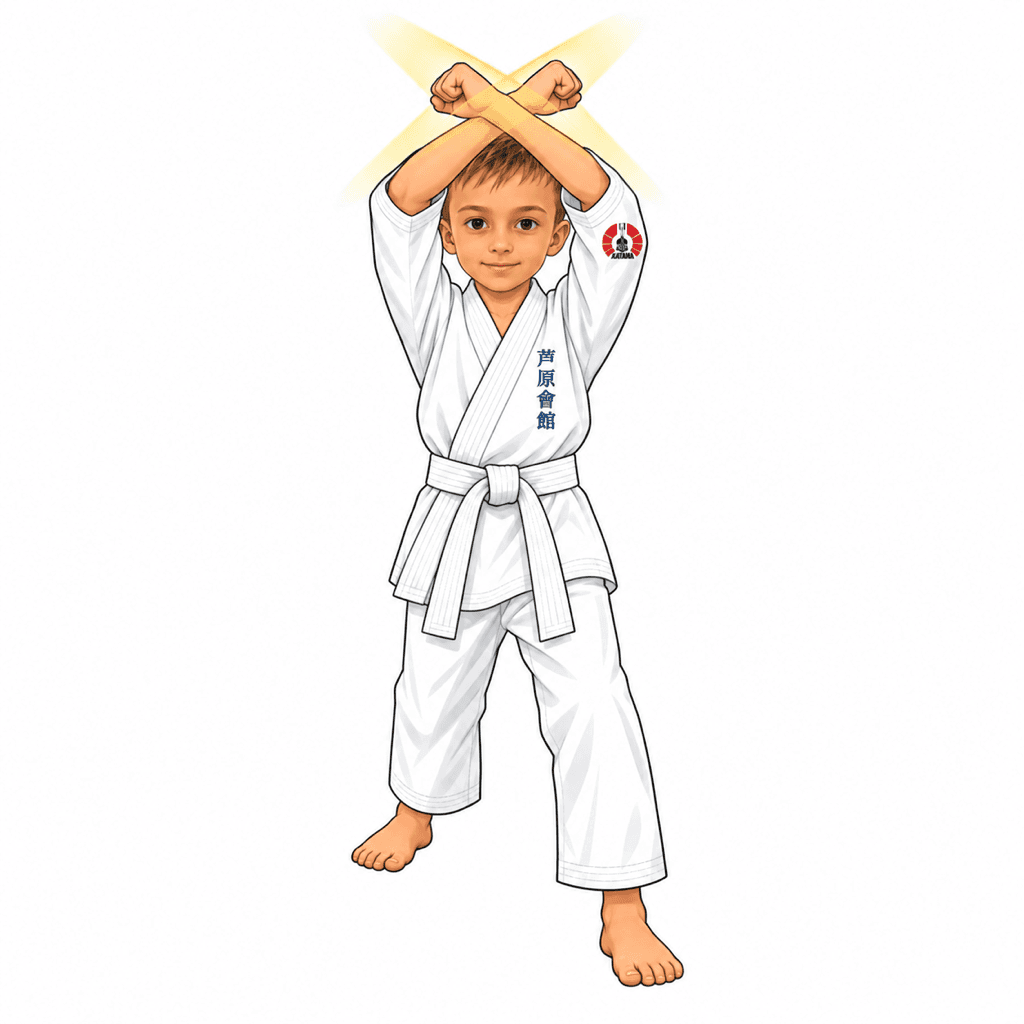
Jūji-uke
十字受けCross block with wrists crossed in an X-shape, executed high (Jodan) or low (Gedan) to trap kicks.
Sune-ukeShin block – raising and angling the shin to check and absorb an incoming low kick.
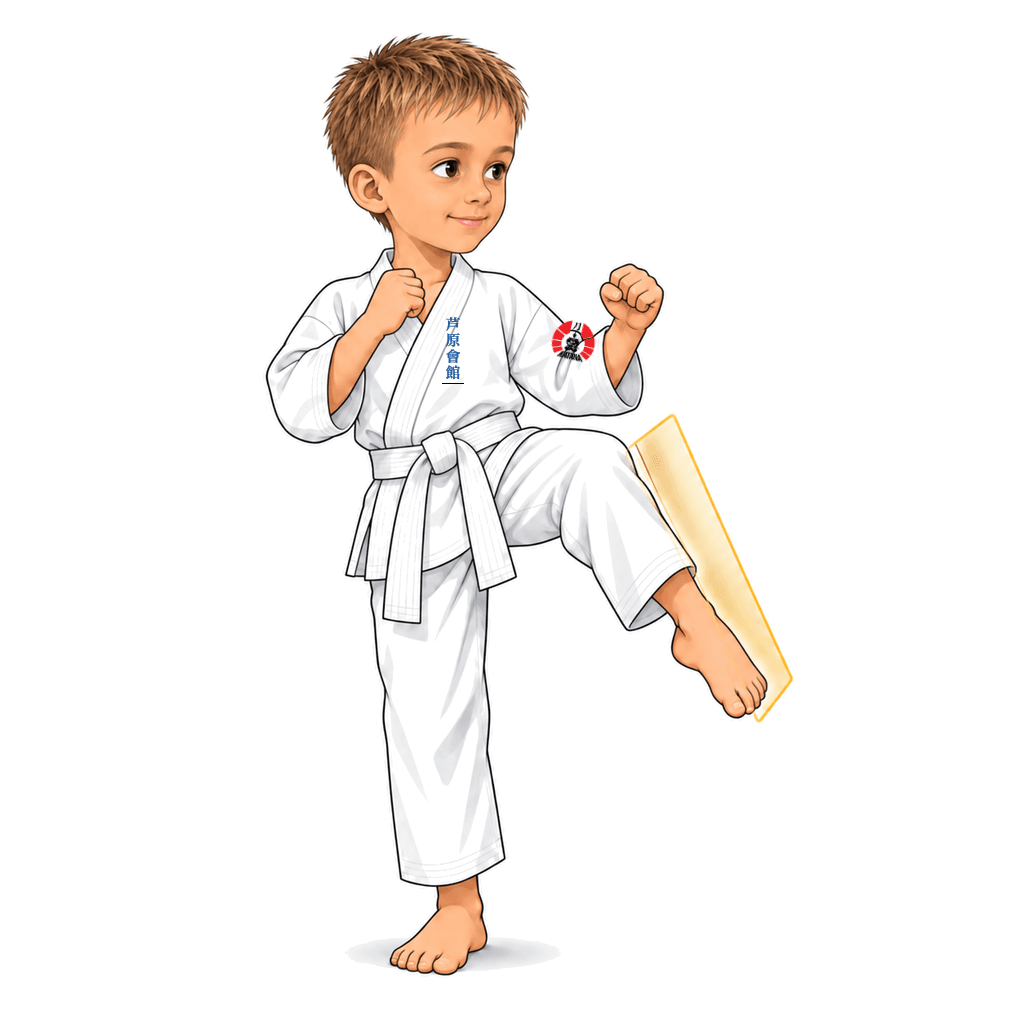
Sune-uke
脛受けShin block – raising and angling the shin to check and absorb an incoming low kick.
Hiza-ukeKnee block – raising the bent knee to intercept straight kicks or protect the ribs.
Hiza-uke
膝受けKnee block – raising the bent knee to intercept straight kicks or protect the ribs.
Ashi-baraiFoot sweep – sweeping the opponent's supporting foot with the inner sole (Teisoku) to cause a takedown.
Ashi-barai
足払いFoot sweep – sweeping the opponent's supporting foot with the inner sole (Teisoku) to cause a takedown.
Gedan-mawashi-geri (Low-kick)Outside low roundhouse kick targeting the opponent's thigh with the shin (Sune) or instep.
Gedan-mawashi-geri (Low-kick)
下段回し蹴りOutside low roundhouse kick targeting the opponent's thigh with the shin (Sune) or instep.
Uchi-gedan-mawashi-geri (Inner Low-kick)Inside low roundhouse kick targeting the inner thigh or calf of the opponent's lead leg.
Uchi-gedan-mawashi-geri (Inner Low-kick)
内下段回し蹴りInside low roundhouse kick targeting the inner thigh or calf of the opponent's lead leg.
Kansetsu-geriJoint kick – stomping side thrust with the foot edge (Sokuto) targeting the opponent's knee joint.
Kansetsu-geri
関節蹴りJoint kick – stomping side thrust with the foot edge (Sokuto) targeting the opponent's knee joint.
Open video on YouTubeKin-geriGroin kick – rapid upward snap kick with the instep (Haisoku) to the groin area.
Kin-geri
金的蹴りGroin kick – rapid upward snap kick with the instep (Haisoku) to the groin area.
Open video on YouTubeUra-mawashi-geriReverse roundhouse / hook kick delivered with the heel or ball of the foot in a whipping arc to the head.
Ura-mawashi-geri
裏回し蹴りReverse roundhouse / hook kick delivered with the heel or ball of the foot in a whipping arc to the head.
Ushiro-mawashi-geriSpinning rear hook kick with the heel utilizing full 360-degree body rotation.
Ushiro-mawashi-geri
後ろ回し蹴りSpinning rear hook kick with the heel utilizing full 360-degree body rotation.
Open video on YouTubeTobi-geriJumping / flying kick executed in mid-air (e.g. flying front kick).
Tobi-geri
飛び蹴りJumping / flying kick executed in mid-air (e.g. flying front kick).
Otagai-ni-reiCommand for students to bow to one another with "Osu" (mutual respect).
Otagai-ni-rei
お互いに礼Command for students to bow to one another with "Osu" (mutual respect).
Senpai-ni-reiCommand to bow to the senior student / assistant instructor (Senpai).
Senpai-ni-rei
先輩に礼Command to bow to the senior student / assistant instructor (Senpai).
Shihan-ni-reiCommand to bow to the Master / Shihan (5th Dan and above).
Shihan-ni-rei
師範に礼Command to bow to the Master / Shihan (5th Dan and above).
KamaeteCommand: "Take your guard / stance!" – instant transition to fighting stance.
Kamaete
構えてCommand: "Take your guard / stance!" – instant transition to fighting stance.
YasumeCommand: "At ease / rest" – relax posture with hands placed behind the back.
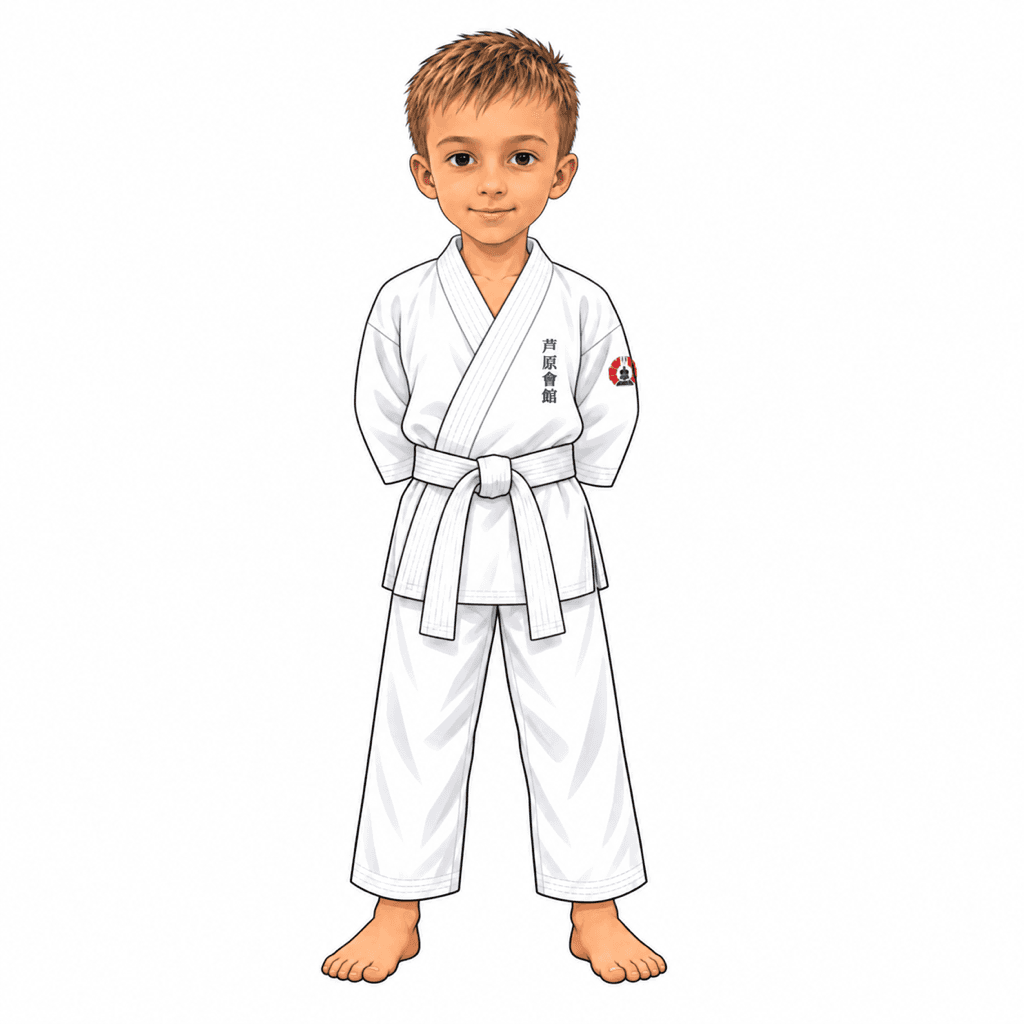
Yasume
休めCommand: "At ease / rest" – relax posture with hands placed behind the back.
MawatteCommand: "Turn around!" – 180-degree turn to reverse direction during line drills.
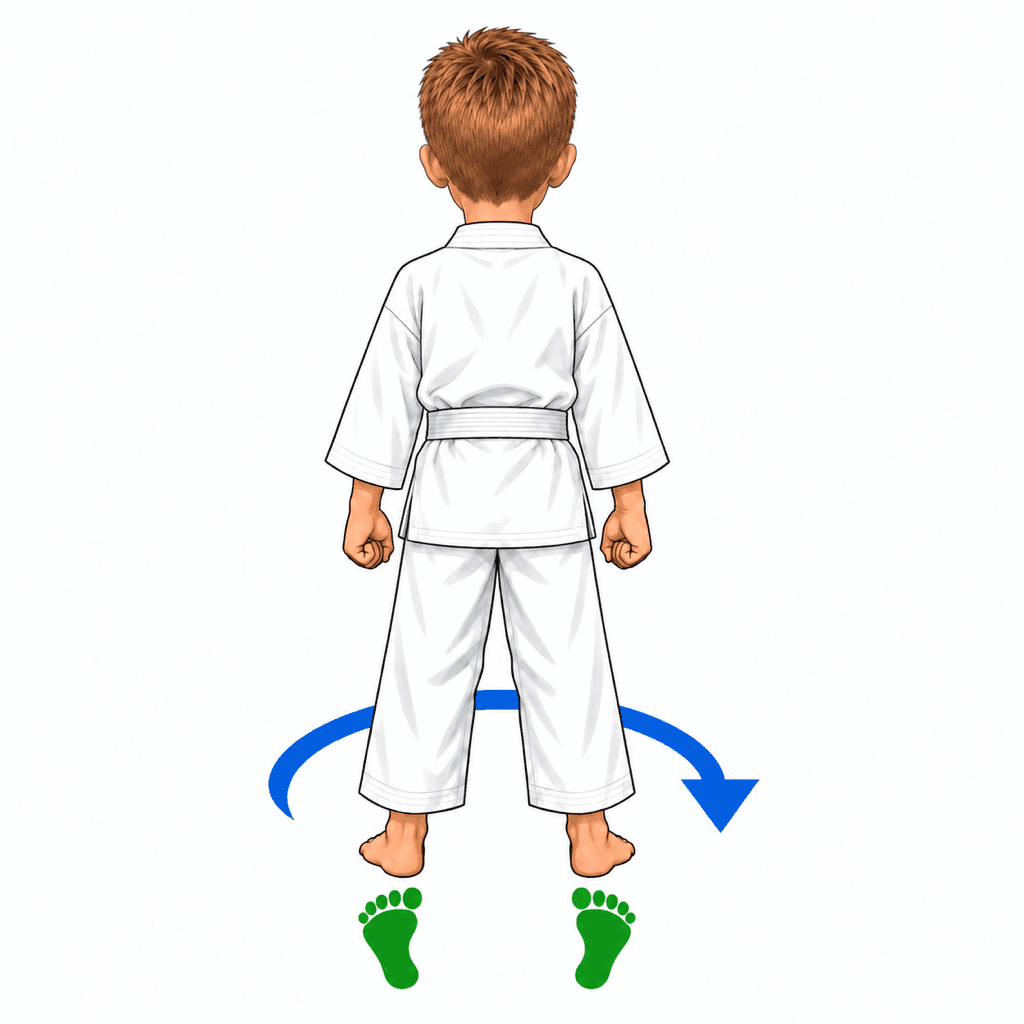
Mawatte
回ってCommand: "Turn around!" – 180-degree turn to reverse direction during line drills.
Yoi dachiPřipravený výchozí postoj pro začátek cvičení a poslech povelů trenéra.
Yoi dachi
用意立ちPřipravený výchozí postoj pro začátek cvičení a poslech povelů trenéra.
Open video on YouTubeKumite no kamaePohotovostní výchozí poloha používaná v kontextu kumite; přesnou podobu určuje trenér a pravidla klubu.
Kumite no kamae
組手の構えPohotovostní výchozí poloha používaná v kontextu kumite; přesnou podobu určuje trenér a pravidla klubu.
Open video on YouTubeSeiken chudan tsukiPřímý úder základní pěstí na střední úroveň.
Seiken chudan tsuki
正拳中段突きPřímý úder základní pěstí na střední úroveň.
Open video on YouTubeSeiken jodan tsukiPřímý úder základní pěstí na horní úroveň.
Seiken jodan tsuki
正拳上段突きPřímý úder základní pěstí na horní úroveň.
Open video on YouTubeSeiken gedan tsukiPřímý úder základní pěstí na spodní úroveň.
Seiken gedan tsuki
正拳下段突きPřímý úder základní pěstí na spodní úroveň.
Open video on YouTubeHiji uchiÚder loktem; v Kihonu se učí kontrolovaně a pod vedením trenéra.
Hiji uchi
肘打ちÚder loktem; v Kihonu se učí kontrolovaně a pod vedením trenéra.
Open video on YouTubeSeiken ago uchiÚder základní pěstí pojmenovaný podle oblasti brady.
Seiken ago uchi
正拳顎打ちÚder základní pěstí pojmenovaný podle oblasti brady.
Open video on YouTubeShita tsukiKrátký úder vedený ze spodní dráhy.
Shita tsuki
下突きKrátký úder vedený ze spodní dráhy.
Open video on YouTubeJodan age ukeVrchní obrana vedená vzhůru před oblastí hlavy.
Jodan age uke
上段上げ受けVrchní obrana vedená vzhůru před oblastí hlavy.
Open video on YouTubeUraken ganmen uchiÚder hřbetem pěsti pojmenovaný podle oblasti obličeje.
Uraken ganmen uchi
裏拳顔面打ちÚder hřbetem pěsti pojmenovaný podle oblasti obličeje.
Open video on YouTubeUraken hizo uchiÚder hřbetem pěsti pojmenovaný podle boční oblasti trupu.
Uraken hizo uchi
裏拳脾臓打ちÚder hřbetem pěsti pojmenovaný podle boční oblasti trupu.
Open video on YouTubeUraken mawashi uchiObloukový úder vedený hřbetem pěsti.
Uraken mawashi uchi
裏拳回し打ちObloukový úder vedený hřbetem pěsti.
Open video on YouTubeUraken sayu uchiBoční úder hřbetem pěsti vedený do strany či stran.
Uraken sayu uchi
裏拳左右打ちBoční úder hřbetem pěsti vedený do strany či stran.
Open video on YouTubeEnkei gyaku tsukiObloukově vedený úder zadní rukou.
Enkei gyaku tsuki
円形逆突きObloukově vedený úder zadní rukou.
Open video on YouTubeShuto mawashi ukeKruhová obrana provedená hranou otevřené ruky; nejde automaticky o totéž co obecné Mawashi uke.
Shuto mawashi uke
手刀回し受けKruhová obrana provedená hranou otevřené ruky; nejde automaticky o totéž co obecné Mawashi uke.
Open video on YouTubeKinteki geriKop pojmenovaný podle citlivé dolní oblasti; v tréninku se provádí s úplnou kontrolou.
Kinteki geri
金的蹴りKop pojmenovaný podle citlivé dolní oblasti; v tréninku se provádí s úplnou kontrolou.
Open video on YouTubeMae geri keageŠvihová varianta předního kopu; výraz Mae keage je její běžná zkrácená podoba.
Mae geri keage
前蹴り上げŠvihová varianta předního kopu; výraz Mae keage je její běžná zkrácená podoba.
Open video on YouTubeUchi mawashi geriVnitřní obloukový kop; zápis Uchimawashi geri je pravopisná varianta téhož názvu.
Uchi mawashi geri
内回し蹴りVnitřní obloukový kop; zápis Uchimawashi geri je pravopisná varianta téhož názvu.
Open video on YouTubeSoto mawashi geriVnější obloukový kop; zápis Sotomawashi geri je pravopisná varianta téhož názvu.
Soto mawashi geri
外回し蹴りVnější obloukový kop; zápis Sotomawashi geri je pravopisná varianta téhož názvu.
Open video on YouTubeYoko geri keageŠvihový boční kop; Sokuto yoko keage zdůrazňuje použitou úderovou plochu.
Yoko geri keage
横蹴り上げŠvihový boční kop; Sokuto yoko keage zdůrazňuje použitou úderovou plochu.
Open video on YouTubeShuto ganmen uchiÚder hranou otevřené ruky pojmenovaný podle oblasti obličeje; zůstává odlišný od Uraken Ganmen Uchi.
Shuto ganmen uchi
手刀顔面打ちÚder hranou otevřené ruky pojmenovaný podle oblasti obličeje; zůstává odlišný od Uraken Ganmen Uchi.
Open video on YouTubeShuto hizo uchiÚder hranou otevřené ruky do boční oblasti trupu; zůstává odlišný od Uraken Hizo Uchi.
Shuto hizo uchi
手刀脾臓打ちÚder hranou otevřené ruky do boční oblasti trupu; zůstává odlišný od Uraken Hizo Uchi.
Open video on YouTubeShuto sakotsu uchiÚder hranou ruky pojmenovaný podle klíční kosti.
Shuto sakotsu uchi
手刀鎖骨打ちÚder hranou ruky pojmenovaný podle klíční kosti.
Open video on YouTubeShuto sakotsu uchikomiPrůraznější varianta techniky Shuto Sakotsu Uchi; držíme ji jako samostatný termín.
Shuto sakotsu uchikomi
手刀鎖骨打ち込みPrůraznější varianta techniky Shuto Sakotsu Uchi; držíme ji jako samostatný termín.
Open video on YouTubeShuto uchi uchiNázev zdroje pro úder hranou ruky vedený dovnitř; přesný výklad směru se ponechává ve znění zdroje.
Shuto uchi uchi
手刀内打ちNázev zdroje pro úder hranou ruky vedený dovnitř; přesný výklad směru se ponechává ve znění zdroje.
Open video on YouTubeNagashi ukeOdklonová obrana, která odvádí útok mimo přímou dráhu. Na rozdíl od obecného soto uke je pro ni důležité odklonění a načasování.
Nagashi uke
流し受けOdklonová obrana, která odvádí útok mimo přímou dráhu. Na rozdíl od obecného soto uke je pro ni důležité odklonění a načasování.
Open video on YouTubeUraken shomen uchiÚder hřbetem pěsti vedený směrem vpřed. V různých kyokushinových sylabech se objevuje také příbuzné označení uraken ganmen uchi; zde zachováváme přesný výraz ze zkouškového požadavku.
Uraken shomen uchi
裏拳正面打ちÚder hřbetem pěsti vedený směrem vpřed. V různých kyokushinových sylabech se objevuje také příbuzné označení uraken ganmen uchi; zde zachováváme přesný výraz ze zkouškového požadavku.
Open video on YouTubeMawashi kubi geriObloukový kop vedený na oblast krku nebo hlavy. Je to užší pojmenování než obecný mawashi geri.
Mawashi kubi geri
回し首蹴りObloukový kop vedený na oblast krku nebo hlavy. Je to užší pojmenování než obecný mawashi geri.
Mae kakato geriPřední kop, při kterém je jako úderová plocha uvedena pata (kakato). Není to pouze obecný mae geri.
Mae kakato geri
前踵蹴りPřední kop, při kterém je jako úderová plocha uvedena pata (kakato). Není to pouze obecný mae geri.
Koken uchiÚder hřbetní částí ohnutého zápěstí. V kyokushinovém kihonu je veden jako samostatná technika, odlišná od úderu loktem.
Koken uchi
孤拳打ちÚder hřbetní částí ohnutého zápěstí. V kyokushinovém kihonu je veden jako samostatná technika, odlišná od úderu loktem.
Open video on YouTubeRyuto ken tsukiÚder tvarem Ryuto ken, který se v materiálech objevuje také jako Ryutoken nebo nepřesně jako Ryoto ken.
Ryuto ken tsuki
龍頭拳突きÚder tvarem Ryuto ken, který se v materiálech objevuje také jako Ryutoken nebo nepřesně jako Ryoto ken.
HirakenPlochá úderová forma ruky používaná v několika variantách, například hiraken tsuki, hiraken oroshi uchi a hiraken mawashi uchi.
Hiraken
平拳Plochá úderová forma ruky používaná v několika variantách, například hiraken tsuki, hiraken oroshi uchi a hiraken mawashi uchi.
Keiko uchiÚder tvarem ptačího zobáku, tedy sevřenými špičkami prstů. Jde o samostatně uváděnou úderovou formu.
Keiko uchi
鶏口打ちÚder tvarem ptačího zobáku, tedy sevřenými špičkami prstů. Jde o samostatně uváděnou úderovou formu.
Open video on YouTubeRenzoku wazaPlynulá kombinace navazujících útočných a obranných technik. Není to jedna technika, ale způsob strukturování kombinace.
Renzoku waza
連続技Plynulá kombinace navazujících útočných a obranných technik. Není to jedna technika, ale způsob strukturování kombinace.
Open video on YouTubeGoshin wazaSkupina sebeobranných technik a scénářů. V Ashihara sylabech může zahrnovat kontrolu, páky, hody a obranu proti různým útokům.
Goshin waza
護身技Skupina sebeobranných technik a scénářů. V Ashihara sylabech může zahrnovat kontrolu, páky, hody a obranu proti různým útokům.
BunkaiRozbor a praktická aplikace pohybů z kata. Bunkai není jedna technika, ale vazba mezi kata a konkrétními aplikacemi.
Bunkai
分解Rozbor a praktická aplikace pohybů z kata. Bunkai není jedna technika, ale vazba mezi kata a konkrétními aplikacemi.
Open video on YouTube